Archive

CATHOLIC CHURCH & Its Institutions

JP Morgan of Milan is closing its Vatican account on 30 March 2012 because, according to media reports, it ‘failed to provide sufficient information on money transfers’. So the Vatican bank, also known as Istituto per le Opere di Religione (IOR) [Institute For Works Of Religion]  lacks ‘transparency’ in its transactions, according to JP Morgan?  I’m not saying JP Morgan is laundering money, but its claims are a bit like the pot calling the kettle black!  The timing of JP Morgan’s action seems to coincide with the Tax Police in Italy scrutinising tax avoidance by not-for-profit organisations.

><
The Vatican Bank

The Secretive Vatican

><

A Good Partnership?

><

IOR was founded in 1942 by Pope Pius Xl “to provide for the safekeeping and administration of movable and immovable property transferred or entrusted to it by physical or juridical persons and intended for works of religion or charity”. It is located inside Vatican City and is run by a professional bank CEO who reports to the Pope through a committee of cardinals. Last year, the Vatican was forced to adapt internal laws to comply with international standards on financial crime, in order to secure a place in the ‘White List’ of states. We are informed that the 110-acre ‘sovereign state’ in the heart of Rome, now complies with the rules of the Paris-based Financial Action Task Force (FATF)

But the closing of its JP Morgan account is a major blow to the Vatican’s chances of being included in that List. The Vatican Hierarchy’s attempt to clear the air of corruption that has surrounded the Vatican for decades has been thwarted. To add to its woes, there is growing doubt among some international law experts that Vatican City actually qualifies as a sovereign state, established in 1929 by the then Prime Minister, Benito Mussolini.

See More: ‘The Case of the Pope’ by Geoffrey Robertson QC.

Barbie Latza Nadeau writes that the Vatican & the Holy See face serious allegations that their curious accounting practices are really a cover for money-laundering schemes and other crimes.

JPMorgan Chase sent a letter to the Vatican on Feb. 15 to notify them of the impending closure after Vatican bankers were “unable to respond” to a series of requests about questionable money transfers from the account. The account was a “sweeping facility” that was zeroed out at the end of each business day. The Vatican account, opened in 2009, and had processed some $1.5 billion of funds to other Vatican accounts, mostly in Germany, according to financial documents published in Italy’s leading financial newspaper Il Sole 24 Ore.

Sweeping facilities are not illegal, but Vatican bankers refused to reveal the reasons for moving so much money in such a short period of time. The notification of the account’s closure was the culmination of an ongoing investigation into the Vatican’s alleged creative accounting. It began in September 2010 when tax police in Rome froze $33 million in Vatican assets after a covert investigation into the way the Catholic Church moves its millions around. The assets were eventually released in June 2011, but the investigation is ongoing.

The revelations above came about through the media release of a letter written to the Pope. Cardinal Carlo Maria Viganò was the writer of the leaked letter. The public image of the Vatican bank has been harmed by the so-called “Vatileaks” scandal, in which highly sensitive documents, including letters to Pope Benedict, were published in Italian media.

The Cardinal was hastily transferred to Washington, D.C., to head the Holy See embassy there earlier this year, after the letter came to light in the media. Rampant corruption within the Holy See was referred to in the letter and sent ripples around Rome. In the letter, on Vatican letterhead and sealed with an official stamp, Cardinal Vigano pleaded for the pope to allow him to stay in Rome to continue his anti-fraud work. “Holy Father, my transfer at this time would provoke much disorientation and discouragement in those who have believed it was possible to clean up so many situations of corruption and abuse of power that have been rooted in the management of so many departments.”

The leaked letter scandal was quickly dubbed “Vatileaks” by the Vatican’s own spokesman. Some of the leaked documents appear to show a conflict among top Vatican officials about just how transparent the bank should be about dealings that took place before it enacted its new laws. The Holy See did not deny the authenticity of the documents. Instead it opened an internal investigation into potential moles. So far, no one has been named as a source for the breach.

The Vatican has a long history of avoiding scrutiny and hiding its ill-gotten gains. People are still trying to sue the Vatican over the Nazi loot that went in through the front door of the Vatican and vanished out the back door.

Despite efforts to prove otherwise, the damage to the church’s financial reputation has already been done. Earlier this month, the U.S. State Department named the Holy See on a list of its own, as a “jurisdiction of concern” for money-laundering practices in its annual International Narcotics Control Strategy Report, alongside countries like Honduras and Syria. The Vatican shrugged off the State Department’s concerns electing that a “jurisdiction of concern” was far better than one of a “primary concern.” But Reuters’ financial columnist Pierre Briançon disagrees. “The best way for the Vatican to come clean would of course be to close the bank: it’s hard to see why it’s needed other than to shroud the Church’s financial dealings in a veil of obsessive secrecy,” he wrote in a recent blog post.

This is not the first time the Vatican bank has been embroiled in immoral activities. Three decades ago, the Holy See faced its first battle against allegations of money laundering and corruption. It was named in the mysterious death of Roberto Calvi, known then as “God’s Banker.” Calvi was president of Banco Amborsiano despite being a Freemason with alleged mafia ties. The bank collapsed amid allegations of sinister activities, and Calvi was found hanging from a rope with bricks in his pockets under the Blackfriars Bridge in London.  Ms Nadeau writes that the ‘Vatican was able to redeem its reputation back then, at least temporarily. Whether it will be able to save face this time may depend on divine intervention, or at least a better accountant’.

Reuters: Money laundering is usually connected with drugs and other illegal activity. Sounds like the old days in England, when the church had its hands in all manner of things.

Since the resignation of  ‘Bunga Bunga’ Prime Minister Berlusconi, Italy has formed a more credible government, headed by Mario Monti as Prime Minister, as well as Minister of Economy and Finance. Mr Monti previously served as European Commissioner 1995 -2004.  He has brought in strict new tax regimes which includes deeper scrutiny of non-profit organisations, the biggest of which is the Catholic Church.  The Catholic Church, through the Vatican, has an Italy-wide network of assets such as extensive property holdings, schools, hospitals, clinics, hostels, apartments, on whose profits the Catholic Church has paid minimal taxes, if any, until now.

><

More:  The Corrupt Vatican

And: The Vatican Bank or Office For Religious Works

Jesus’ famous quote taken from the Gospel “Give to Caesar what is Caesar’s and to God what is God’s” has never been more relevant to Italy than it is today.

Sources used:

Philip Pullella & Lisa Jucca for Reuters

Barbie Latza Nadeau

Huff Post

 

Below: Catholic orphanage, schools & boarding college complex in Adelaide Road South Dunedin which also included the Sisters of Mercy convent, as described in Anne Frandi-Coory’s book:

‘Whatever Happened to Ishtar?’

A Passionate Quest To Find Answers For Generations Of Defeated Mothers

4th Edition (pub. 2020) now available in paperback and kindle

HERE  at  AMAZON 

Whatever Happened to Ishtar_cover 2020

********************************

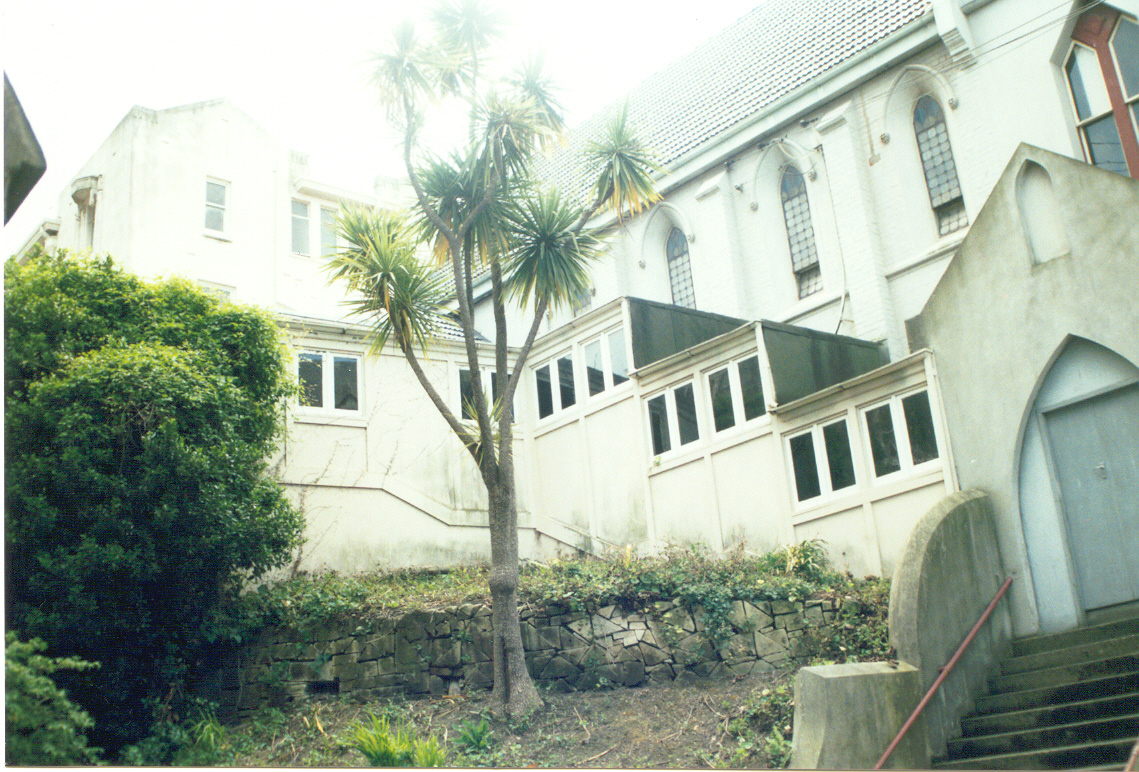
Rear view of St Philomena’s Dormitory (for older girls) shortly before it was demolished. Anne lived here for a short time before being sent to St Dominic’s Boarding College at 9 years. (Photo:copyright to afcoory)

><><><><

St Philomena's Dormitory 2

The long remembered narrow sashes and fire escapes. (Photo:copyright to afcoory)

><><

four nuns 001

Carmody sisters: Sister Christopher, right (Anne Frandi-Coory’s ‘foster mother’ & nursery supervisor) with her three biological sisters. (Photo: Sister Joanna)

><

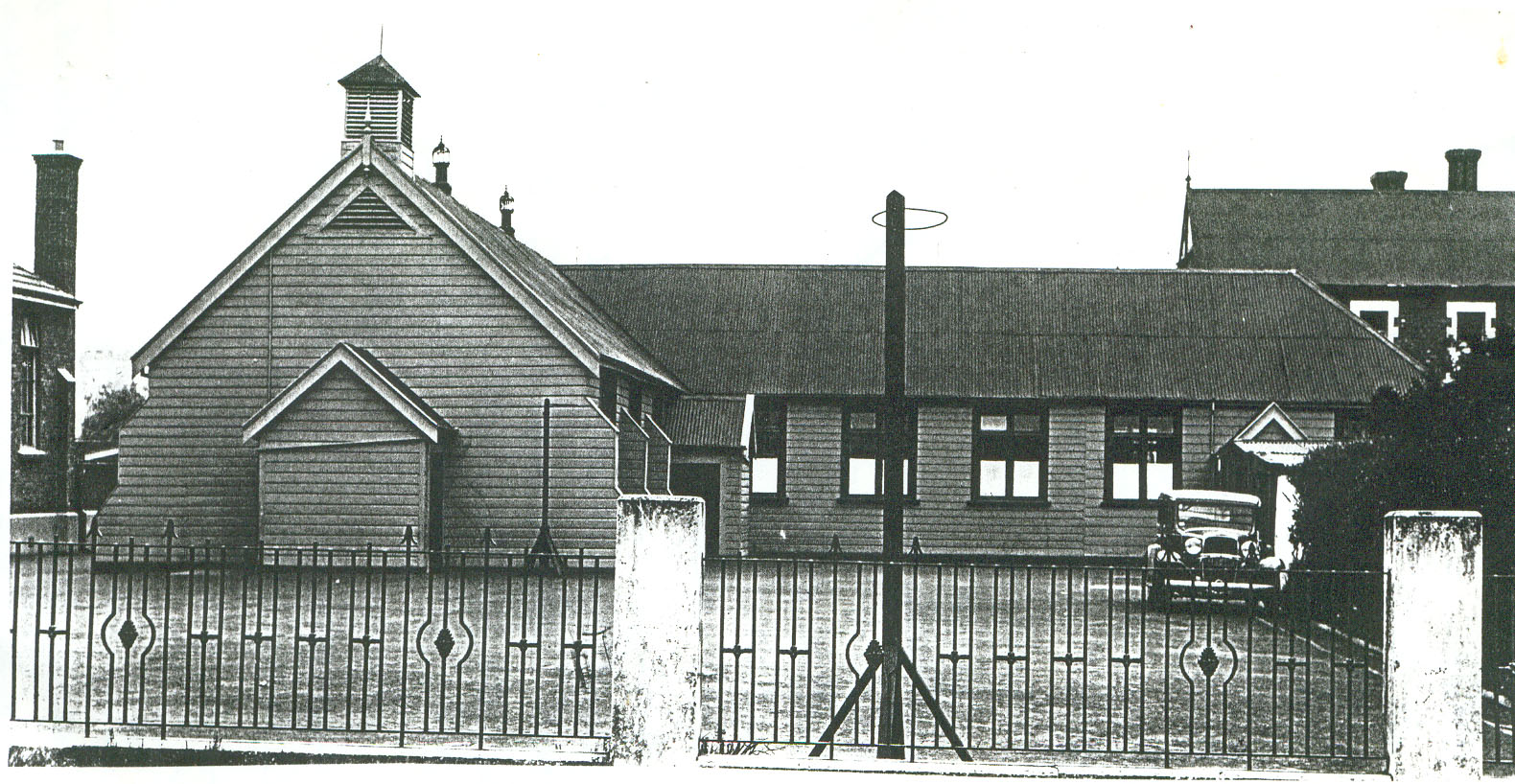
St Patrick's school & chapel

St Patrick’s Primary School and Chapel in the Mercy Orphanage complex where Anne & Kevin began their first year at school. (Photo: Sister Joanna)

><

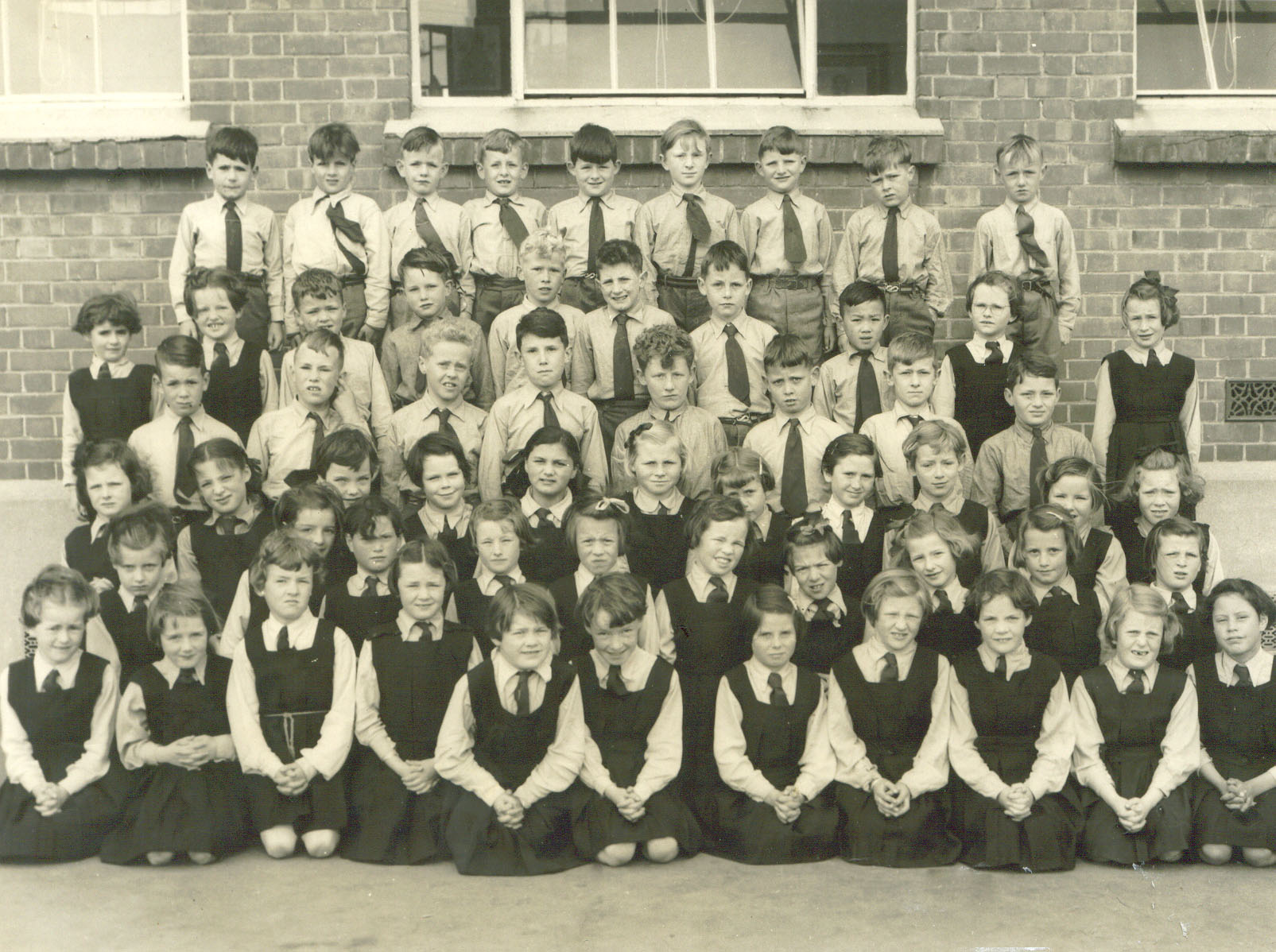
Group

Anne (3rd row from front, 2nd left), in St Patrick’s School group photo; most were day pupils. (Photo: Joseph Coory copyright to afcoory)

><

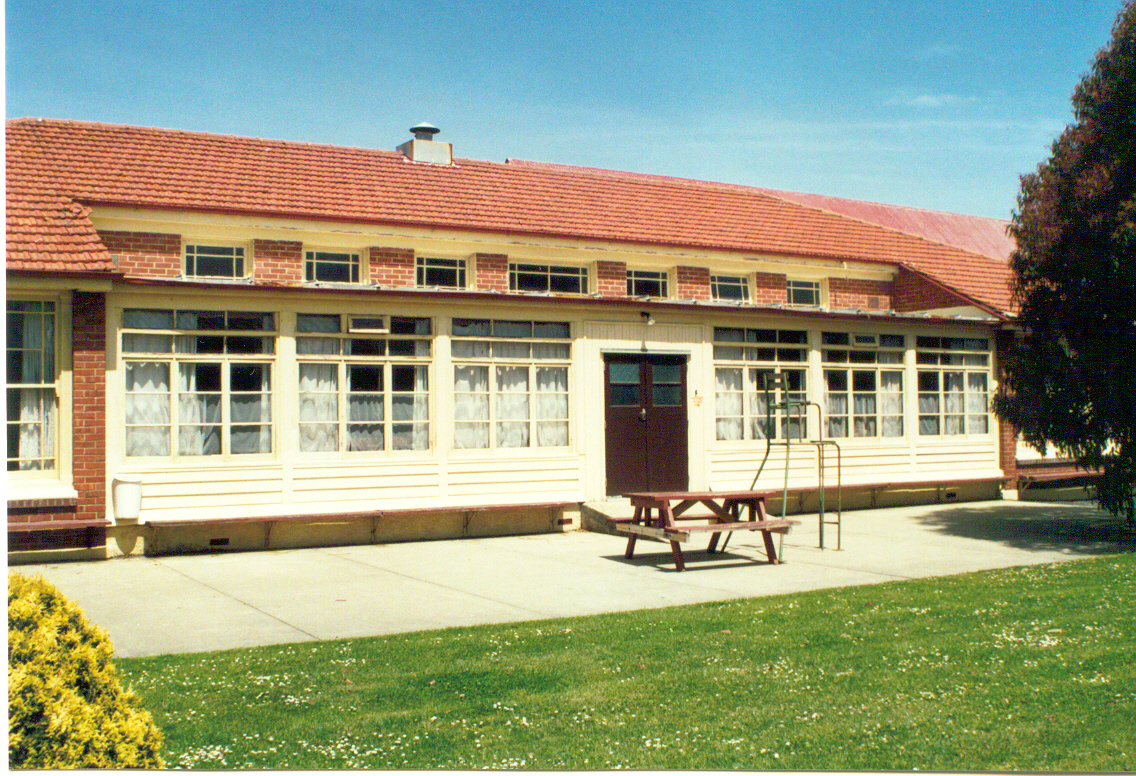
St Agnes' Nursery

St Agnes’ Nursery where Kevin, Anne, Anthony, were placed as infants. (Photo: copyright to afcoory)

><><><><

St Vincent's

St Vincent’s building which housed the orphanage kitchen & dining room. On the left, the same tree in which Anne saw the never forgotten black mother cat & kittens, while she lived at the orphanage. (Photo: copyright to afcoory)
><><><><

BELOW: The Catholic St Joseph’s Boys’ Home, 133-135 Doon Street,  Otago Peninsula. The Boys’ Home, when my brothers lived there,  was surrounded by farmland owned by the Catholic Church (This building now serves as a students’ and nuns’ hostel)

St Joseph's Boys' Home Waverley 5

Front entrance to St Joseph’s Orphanage for boys at Waverley, Otago Peninsula; home to Kevin & Anthony at various times. (Photo: copyright to afcoory)

Rear view St Joseph's Boys' Home Waverley overlooking Harbour

Rear view of St Joseph’s Orphanage overlooking Otago Harbour. (Photo: Copyright to afcoory)

><><><><>

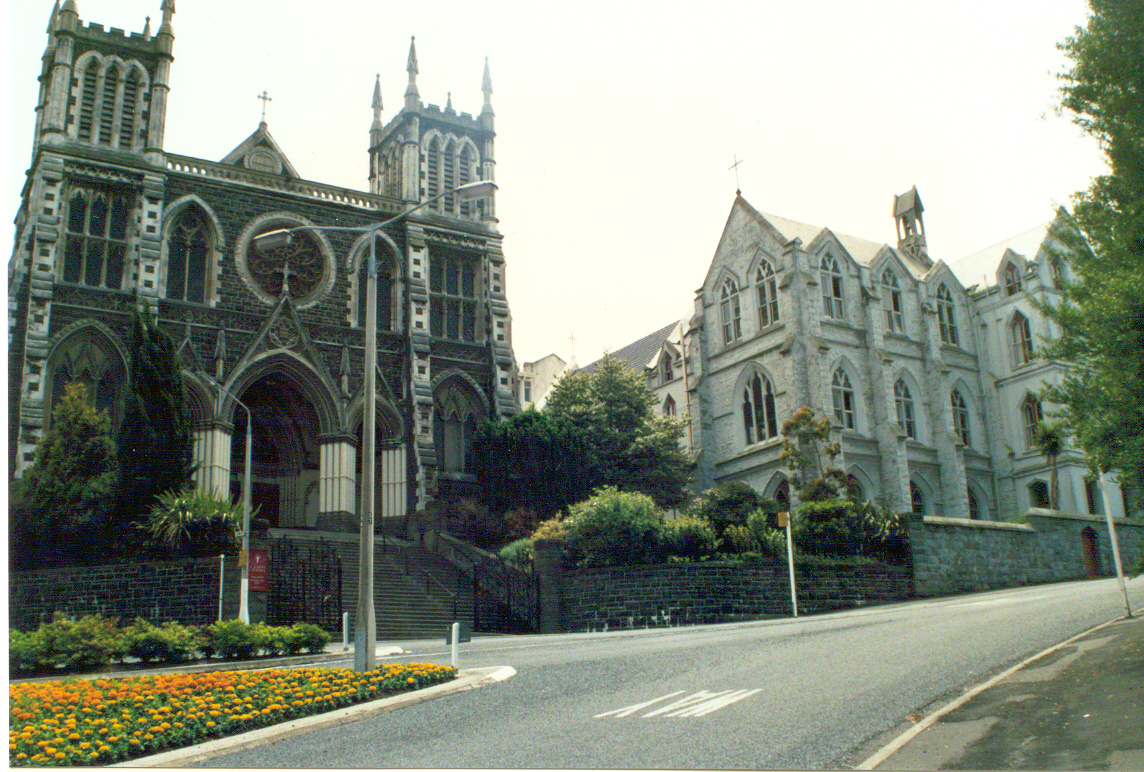
BELOW: St Dominic’s Boarding College, surrounded by St Joseph’s Cathedral, St Joseph’s Primary School and Christian Brothers’ establishment.

><><><><>

St Dominic's College

Imposing view of St Dominic’s Boarding College at the top of Rattray Street, Dunedin. (This building was one of the first to be built totally in concrete, in the Southern Hemisphere. (Photo: copyright to afcoory)

><><><><>

St Joseph's Cathedral, St Dominic's College, St Joseph's Primary School

Another view of the Dominican complex & St Joseph’s Cathedral (photo: copyright to afcoory)

><><><><>

scan0005

Rear view of St Dominic’s boarding complex behind the Cathedral (photo: copyright to afcoory)

><><><><><

scan0004

St Dominic’s entrance to the boarding college kitchen and dining room; day pupils could also have their lunch there if their parents paid.(Photo: copyright to afcoory)

><><><><><>

St Joseph's Cathedral & St Dominic's College

Dunedin Lebanese Citadel viewed from Rattray Street: St Joseph’s Cathedral & St Dominic’s Boarding College (Photo:copyright to afcoory)

************

55793567_536066193550698_3864337004271501312_n

View of St Joseph’s Cathedral Dunedin looking down onto Rattray Street from Smith Street, 2019 (Copyright photo by Susan Tarr, Author)

The Closing of the Western Mind; The Rise of Faith and the Fall of Reason

By Charles Freeman, published 2002

><

For anyone who is interested in the roots of Christianity, how it developed, and eventually swept the Western world, this book is the book to read. Greek philosophical tradition and paganism, were the losers.

To me personally, the most interesting chapters in the book, were those which dealt with the way in which a particular sect of Christianity became the state religion of the Roman Empire; Roman Catholicism.  It was largely because of political expediency; more power and control over the masses, by Roman emperors. I was fascinated by  the fierce in-fighting surrounding the  ‘correct’ early  interpretation and establishment of Christian dogma, as early as the 4th Century ACE.  It largely centred around the ‘Godhead’ of Christianity: God, Jesus, and the Holy Spirit, and whether or not all three were as ‘one’ or of three levels, (to put it very simply).  Part of the problem was that early Christian dogma was formulated from several different sources: scriptures, gospels, old testament, Greek philosophy, Hebrew, Latin and Greek translations.  Also  taken into account was the life and status of Jesus, and in this case, there were so many disputed ‘facts’ about who he was and how he lived, that it appears the Jesus we know, could have been a ‘collage’ of several different prophets or holy men who lived around the same time.

In the book, Freeman writes about Emperor Julian (who ruled from 361) – Dismayed by the vicious infighting he saw around him…Experience had taught him that no wild beasts are so dangerous to man as Christians are to one another.  Ammianus Marcellinus further suggests that  Emperor Julian believed that the Christians left to themselves would simply tear each other apart. Julian was well aware of the brutality of Christian generals and emperors.

-Anne Frandi-Coory 27 October 2011

><><><><

One more review of many:

“One of the best books to date on the development of Christianity…beautifully written and impressively annotated, this is an indispensible read for anyone interested in the roots of Christianity and its implications for our modern world view….Essential.”

-Choice

More here on Anne Frandi-Coory’s Facebook page 

https://www.facebook.com/myhomelibrary/

Excerpt from ‘Whatever Happened To Ishtar?; A Passionate Quest To Find Answers For Generations Of Defeated Mothers’ 

(Anne Frandi-Coory’s brother Kevin wrote this true story when he was a teenager).

><

Kevin in tennis shoes blog

My brother Kevin at the time of his First Holy Communion…was it really more important to make his communion than for the Catholic Church to feed this hungry boy and our mother?

Tickets Please!

><><

Standing in the centre of the Wellington railway station foyer she stood searching the faces of people rushing by. Like a solitary rock in a fast flowing river, unnoticed by the torrent of human turmoil that buffeted around her. The boy sitting on a bench to the side of the foyer watched forlornly as his mother screened each face that passed by, hoping to glimpse someone she knew.

After an hour or so she gave up and made her way to the train platform. The boy followed a few paces behind. Boarding the carriage she crumpled into a seat and rested her head against the window. The boy did the same in a seat across the aisle two seats behind her. The train filled with passengers and began its journey. The boy watched as the guard shuffled from seat to seat clicking tickets in the swaying carriage edging ever closer to the listless woman. The guard reached out expecting to be handed a ticket, clippers at the ready.

‘Tickets please. Tickets please,’ he repeated, annoyed.

The woman lifted her head and stared at the guard for what seemed like an endless time.

‘I don’t have a ticket, or the money to pay for one,’ she said, glaring at the guard, arms folded in defiance. ‘Nor does my son,’ she said, pointing behind her to the boy.

The boy closed his eyes blocking out the silent travellers craning to hear but pretending to show no interest. The clack­ing of the train wheels became deafening in the silence.

‘Well you’d better give me your name and address,’ he said, policeman-like, pulling a pencil and pad from his pocket.

At Petone mother and son alighted from the train, the boy acutely aware of the incredulous stares that followed their departure as they slowly made their way along the platform to the street. A cold blustery wind blew in from the harbour as the pair, the boy a few paces behind, wearily began the long walk to Days Bay in the falling dusk.

She stood for a long moment outside the church in Jackson Street, her shoulders bent under the weight of the long and exhausting day. Her auburn hair shone brightly between the beret pulled down over her head and the wide collar of her coat in stark contrast to the haggard face and pasty complexion. She moved with a shrug to continue the journey then glanced over her shoulder to the boy. He was staring at the ground, unmoving, oblivious to her concern. His coat, much too large for him, hung in folds belted around the waist, one sock up, one down, cap askew atop the mop of untidy hair. He hadn’t spoken since meeting her after school at the station. He had just followed her without complaint or question, isolated in a cocoon of silence.

Pushing the loose fringe under her beret, she straightened her shoulders as much as the aching would allow and strode towards the building beside the church. The housekeeper finally opened the door after repeated knocking by the woman.

‘Can I help?’

‘I want to see the priest please.’

‘He’s just going to have dinner, is it urgent, could you not come back tomorrow when it’s a little more convenient?’

‘Not really, I have to see him now. Please ask him to see me. Please.’

‘Well alright, come and wait in here,’ she said, pointing towards a small room off the passage. ‘Whom shall I say is calling?’

The waiting room of the Presbytery was sparse and devoid of smells, except for the faint odour of incense. A picture of the ‘Sacred Heart of Jesus’ hung on the wall; a candle glowed softly on a small altar beneath the frame. The boy dragging his school bag shuffled to the wooden pew beside the altar and slumped onto the seat. Closing his eyes, his chin fell to his chest. Fatigue engulfed his body in a blanket of exhausted sleep. Through a numb haze he began to comprehend murmurings in the room.

‘You’ll have to go to your own Parish and ask for help, I can’t give you money,’ said a gravelly embarrassed voice.

‘But it is too far away and I have no way of getting there, I only need 10 shillings till I get paid tomorrow so I can feed the boy, he hasn’t eaten today. I don’t have food in the house and we still have to get home,’ pleaded the woman.

The boy struggled to open his eyes, the lids were stuck closed. The light burned into his pupils as the lids slowly prised themselves apart watering the vision of the two figures standing in the centre of the room. The priest dressed in a black suit had his hands thrust deep inside the jacket pockets, the buttons tearing at the fabric that stretched around the girth of his fat belly. The boy noticed his shiny bald head and thick rimless glasses that pressed into a puffy red nose. His pudgy face glowed crimson at the audacity of the unkempt woman.

‘But I don’t know you, are you a Catholic?’

His mother renewed her request, without emotion it seemed, her voice a monotone, not a plea, just a statement of fact.

‘I was a novitiate at the Home of Compassion before I had a breakdown and was forced to leave, I’ve never asked for money before, but surely in the name of Jesus you can—’

‘No!’ He interrupted, agitated, his face glowing. ‘I don’t know you; the church just can’t give out money to anyone who comes to the door. You should go to your family for help!’

The housekeeper in an apron wiping her hands on a tea towel strode into the room and in an impatient tone, said, ‘Father, your dinner is getting cold.’

She glanced momentarily towards the woman, then to the priest and then finally to the boy. Within that imperceptible time her demeanour had changed from anger at this bedraggled woman, to confusion at the flustered priest, to sympathy at the obvious distress of the child. Her tone changed.

‘I am sorry Father,’ she said, ‘when you’re ready, I’ll … whatever.’ She left.

A silent whimper only noticed by the boy escaped the resolve of the woman as she stared at the floor. Her shoulders slumped slightly as she turned towards the door. The look of despair in his mother’s eyes embedded itself into his memory. It was the look of dispassionate despair when the emotions have exhausted the gauntlet of feelings and the ability of the senses to register pain. All that is left is robotic numbness.

In the late hours of the night they reached the old house embedded into the side of a hill overlooking Days Bay. It was overhung with trees which blocked out the sunlight. The ground surrounding the house was continually wet and muddy from the water that leached from the clay bank. There was no electricity in the house except for one naked light in the sitting room. In one corner a sewing machine sat on a table cluttered with dirty dishes, unfinished dressmaking and newspapers. The wooden floor was an untidy mess of unpacked boxes, unwashed clothes and bits of furniture. In the centre of the room a tattered armchair sat close to an old kerosene heater that doubled as a stove to cook on. An ash­tray overflowing with ash and cigarette butts perched on one side of the chair, on the other, bits of notepaper and letters.

The woman slumped into the chair and pulled her coat around her shoulders. The boy sat shivering on the floor hugging his knees to his chest to keep warm. She picked up a box of matches from the floor and leaning forward tried to light the heater. Again and again she struck a match putting the flame to the dry wick till she had used all the matches. He knew there was no kerosene in the heater. The useless attempt to create warmth just seemed to epitomise her hopeless­ness. She folded her arms and rested her elbows on her knees and rocked slowly back and forth staring blankly at the cold lifeless heater. The boy watched his mother sink into depression, the silence the only dialogue between them. After a while he rose quietly and felt his way along the dark passage to his bedroom. The room had a dank odour from the moss growing on the walls. He crawled under the damp blankets without taking off his clothes, and curling up into the foetal position pulled the covers over his head to block out the smell of rotting wallpaper. When he woke in the morning his mother had gone. He wasn’t worried; he knew she was walking to work in Wellington.

><

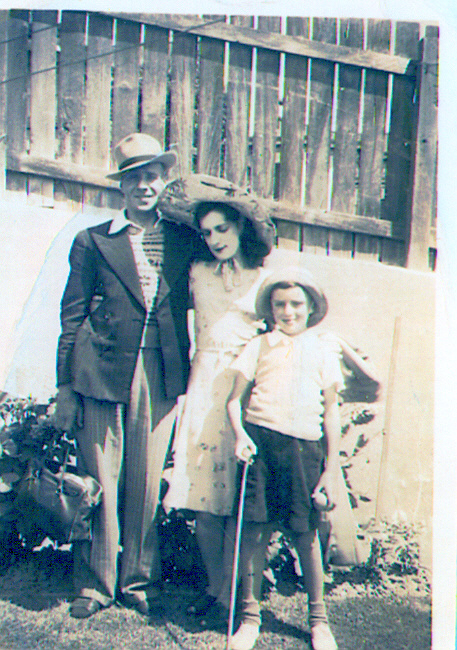
Phillip Coory, with his wife Flo and their son Vas.

Note:

Such a staunchly Catholic Lebanese family where all children are not born equal!

Our mother, Doreen Frandi,  met Phillip Coory around the time the above photo was taken.

Phillip Coory was Kevin’s biological father, although Phillip never acknowledged this.  Joseph Coory, Phillip’s older brother,  adopted Kevin following his marriage to Doreen Frandi.  Two and a half years later I was born. Eventually, Joseph also abandoned Kevin.

><

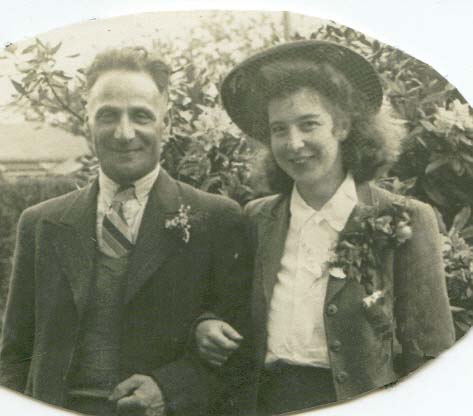
Our parents, Doreen Frandi and Joseph Coory, on their wedding day.
><><><><><<
MORE…
Our mother was a Catholic nun
><><><><><>
Whatever Happened To Ishtar?; A Passionate Quest To Find Answers For Generations Of Defeated Mothers

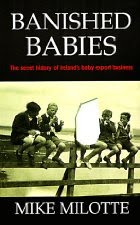
The book ‘Banished Babies’ by Mike Milotte, is about babies born in Ireland to unmarried mothers.   But we now know, banished babies were also born to illegitimate mothers in  New Zealand, Australia, America and England. More countries where this practise took place may yet come to light.  Australian Banished Babies want an apology. You might say “But this happened last Century”.  The thing is, the wounds left in these heartbreaking cases, never heal.

><

See Adoption: The Open Wound That Never Heals

><

‘Banished Babies’ were those babies taken from their unmarried mothers at birth.  I believe that the word ‘taken’ in this instance is a misnomer. It should read ‘ripped’, because that’s how it felt to the young mothers. I know this personally from my own mother’s case. This ‘baby snatching’ as others call it, was not for altruistic purposes; rather it was following Catholic dogma issued by the Vatican’s Office of the Congregation For the Doctrine of the Faith (formerly Office of the Holy Inquisition).   It was certainly not for the welfare of the infants, or their mothers.  No.  It was to remove these babies from their mothers who were seen by the Catholic Church as sinners who had to be punished. In the nuns’ minds, indoctrinated by the Church, the babies themselves were being saved from the clutches of satan and were ‘sold’, mostly to wealthy American couples, who, it was stipulated, had to be of the Catholic Faith.  It was strictly enforced by the Church, that neither mother or infant would ever be able to trace each other, and this caused even more heartbreak decades later.   (See my post about Philomena Lee). Large sums of money were exchanged for the privilege of ‘buying a newborn’, donation being the euphemism used. Ironic, isn’t it?  So much of that wealth the Church received, is now being paid out to even more victims of the Catholic Church; in the form of compensation  to  thousands of families whose children were sexually abused by paedophile priests.

><

For all the mothers and babies who never found each other

><

Between the end of WWII and 1965 more than 2,200 Irish infants were adopted out of the country, mostly by hopeful parents in the U.S. All the adoptive parents were, by mandate of the church in Ireland, Catholic. Until the late 1990’s and the work of Irish journalist Michael Milotte this was a fact known to few in Ireland and fewer in the U.S. In Ireland Milotte’s work, emphasising both the emotional and physical brutalisation of the birth mothers and the country’s loss of vital human capital, led to a great furor.

><

In 2001, the Washington Post reported:

Milotte, a senior reporter for the Irish television network RTE, says life was particularly hard for the mothers in these convents, which were largely self-sustaining thanks to the women’s labour but also received public funding. In some cases, he says, the priests and nuns received money from the adoptive parents, who paid “confinement and medical costs” associated with their child’s birth.

“Where did the money go?” he wonders. “It sustained the people who ran the institutions in a manner they wouldn’t have otherwise enjoyed.”  But money likely wasn’t the primary motivator, he says. Rather, there was a demand for children, and many of the nuns believed they were doing God’s work by sending some of Ireland‘s social outcasts to a better life in the land of opportunity.

“They thought they were doing good,” says Milotte in a phone interview from Dublin. “The fact that people might have rights didn’t enter into their thinking. They thought they knew best. If, in doing the best thing, there was an opportunity to make money, that was all the better.”  In those postwar days, it was not uncommon for Irish children to be adopted by U.S. military and government employees living abroad, Milotte says.

The birth mothers of these children spent their pregnancies and post-natal, pre-adoption lives in varioushomes, often convents, for girls and women who were seen by the conservative Catholic culture as shame-worthy moral degenerates. The horrific conditions that these women underwent was recently dramatized in the movie the Magdelene Sisters.

><


Milotte spoke with NPR’s Daniel Zwerdling upon release of his book Banished Babies in May of 1998:

Many of these women were seen as the next thing to prostitutes, and were very often told that when their identities became known. Even when girls got pregnant, very often they didn’t get married even if — because there was the stigma attached to having had sex before marriage. So even where a relationship endured, the child would be given up for adoption. And it was all done in secret.

I am one of those kids given up for adoption. It was in that interview in May of 1998, two days after I returned to Chicago following my mother’s funeral, that I learned of the controversy. I have always known that I was adopted, that I was a ‘true Irishman’, and I had always been proud and honored by the distinction. In the days immediately following my mom’s death I told my Dad that I had never for a second doubted who my ‘real’ parents were, that he and my mom were the only ones who can lay claim to me. I feel no different today.

None-the-less, as the NPR story continued I found myself getting information that I’m sure even they didn’t have.

ZWERDLING:  Here’s one of the most curious aspects of this story.It’s hard enough for most women to give up a baby for adoption during the first few hours or weeks of its life. But church officials forced the young mothers to stay in their convents and raise their own infants for at least one year or more before adoptive families could come and get them.Reporter Mike Milotte says he’s turned up cases where young women changed their minds after their babies were born and tried to leave the convents. (This also happened to my mother in New Zealand). But the nuns sent guards to capture the women and bring them back.For her part, Mary O’Connor says, she knew she’d have to give her baby away. She felt she literally had no choice. But by the time the nuns came to take her son, she’d been raising him for 17 months. Then one evening, O’Connor says, a nun told her, “Get him ready. We’re giving him away in the morning.”

O’CONNOR: So she just carried it over to the convent. There was two parts, like there was a hospital part where the children were kept and then there was the convent part. And the child was brought over to the convent part. And there was three steps up. You went in the side door and there were three steps up. And they went to the top of the steps and they said, “Just say goodbye now. That’s it.”

<

-Anne Frandi-Coory 25 July 2011

For more about my mother’s lost children & the heartlessness of the Catholic Church:

  ‘Whatever Happened to Ishtar? – A Passionate Quest to Find Answers for Generations of Defeated Mothers’.

Updated 15 November 2013

Pope Benedict preaches forgiveness again, albeit centuries too late! Has anything really changed in the Catholic Church?

In the last year or so the Pope has forgiven Joan of Arc (possibly mistaken identity) Galileo, and Martin Luther, their alleged heresy against The Church.

See previous posts: Joan of Arc; &  Galileo’s Daughter

The Reformation

The Reformation

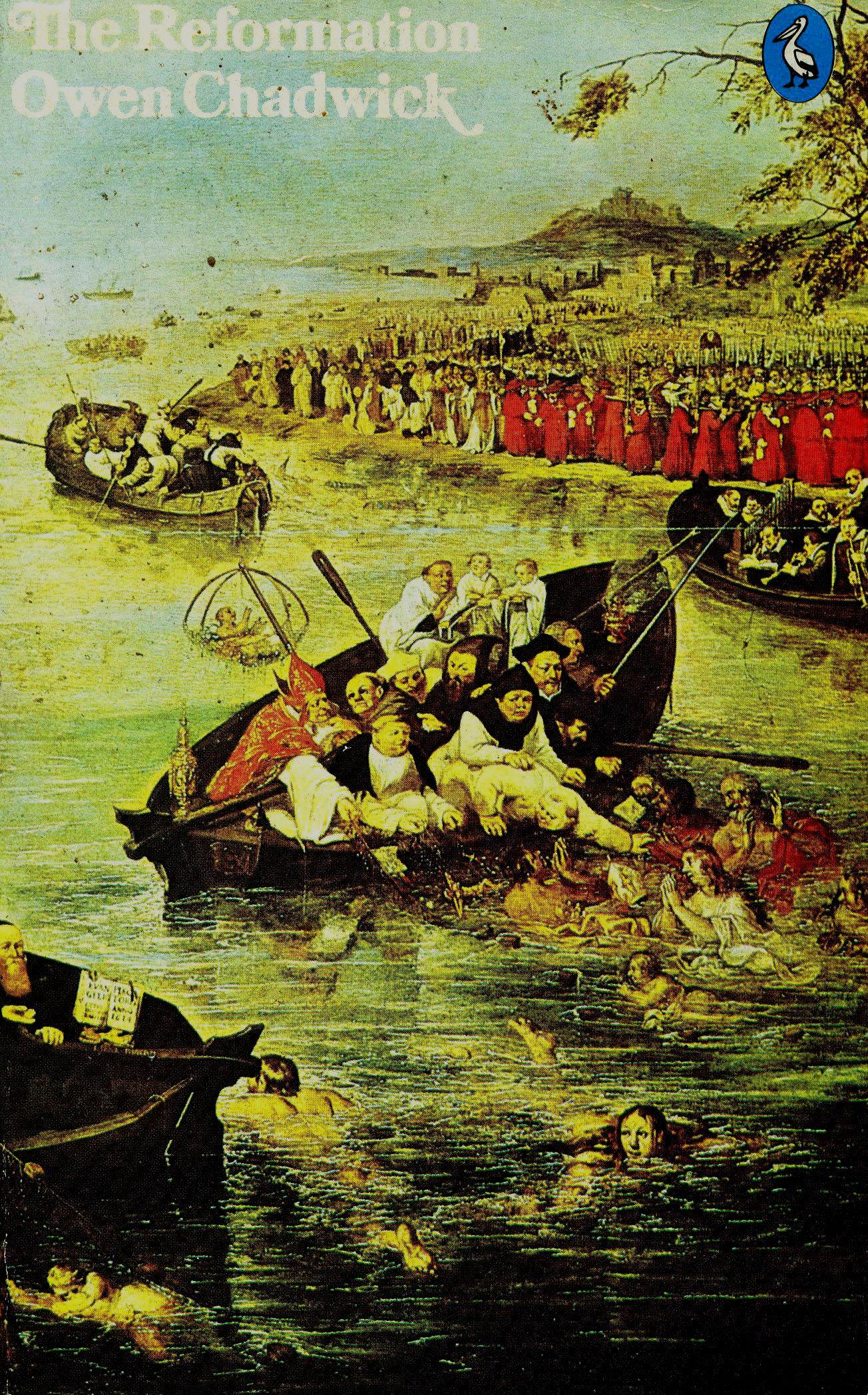
THE REFORMATION by Owen Chadwick

– A Book Review

Martin Luther, a former Catholic priest, the Pope now says, did not intend to split the Catholic Church. Luther (1483-1546)  wanted to purge The Church of corruption.  The poor were forced to contribute to the Church’s coffers at Sunday Mass,  and starved, while the clergy grew fat on that income and the wealth given to them by the privileged in order that those who sinned (like paedophile priests) may take a short cut around penances for their mortal sins, and still get to heaven.  Luther preached that whether we go to either heaven or hell,  is preordained when we are born.  We cannot bribe our way into heaven.  This was Luther’s way of stopping the corruption of indulgences within the Catholic Church. Luther believed the Bible to be the sole source of religious authority and made the Bible accessible to the masses by translating it into the vernacular and arranging hundreds of copies to be printed; made possible by Johann Gutenberg’s invention of the printing press.

See previous post: Justification of Johann Gutenberg

The whole thing is rather sickening and hypocritical really. The move by the Pope is believed to be the Vatican PR Machine’s way of softening Pope Benedict’s image as arch conservative hardliner, ex-head of the Holy Office of the Inquisition, and pro nazi sympathiser during World War ll.  It is no secret that the Catholic Church supported Nazism.  The Pope is also erecting a statue in the Vatican gardens, to Galileo, another  “heretic” excommunicated by the Church, and who lived out his last years in poverty under house arrest.  His crime was his belief in heliocentrism: the planets and the earth revolve around a relatively stationary sun at the centre of the solar system.  I think the only reason Galileo wasn’t tortured to death by the Holy Fathers of the Inquisition was that he was much loved by the people and a brilliant scientist. Nevertheless Galileo was forever alienated from his church, the pope, and the Jesuits in particular.

Luther was excommunicated by Pope Leo X, who dismissed him initially as “a drunken German who will change his mind when sober”.  Many thousands of the poor were tortured and killed in the purges that followed.  A brutal war erupted which divided Christendom; but it was not about religion, it was about POWER!  Nothing has changed in the 21st Century.

St Bartholomew's Day twitter

MERCY

MERCY: St Bartholomew’s Day, Paris, 1572. ‘Ill-fated love affair between a Catholic & a Protestant’. John Everett Millais 1829-96. This is the day thousands of Protestants were slaughtered by Catholics.

……………………………

-Anne Frandi-Coory  15 November 2013

><

The Abbess was of noble blood

Catholic Sisters of Mercy; four biological sisters.The nun on the right was the closest Anne Frandi-Coory came to a mother figure; her face is the one she remembers as an infant in a Catholic Orphanage nursery. (see ‘Whatever Happened To Ishtar?’ below.)

But early took the veil and hood

Ere upon life she cast a look

Or knew the world that she forsook

Fair too she was, and kind had been

As she was fair, but ne’er had seen

For her a timid lover sigh

Nor knew the influence of her eye

Love, to her ear, was but a name

Combined with vanity and shame

Her hopes, her fears, her joys, were all

Bounded within the cloister wall:

The deadliest sin her mind could reach

Was of monastic rule the breach;

And her ambition’s highest aim

To emulate St Hilda’s fame

For this she gave her ample dower,

To raise the convent’s eastern tower;

For this, with carving rare and quaint,

She decked the chapel of the saint,

And gave the relic-shrine of cost,

With ivories and gems embost.

The poor her convent’s bounty blest,

The pilgrim in its halls found rest.

Black was her garb, her rigid rule

Reformed on Benedictine school;

Her cheek was pale, her form was spare;

Vigils, and penitence austere,

Had early quenched the life of youth,

But gentle was the dame in Sooth

From: Sir Walter Scott, ‘Marmion’, The Immolation of Constance De Beverley

><

My mother was a defeated nun and a defeated mother. She entered a convent to escape the inescapable: LIFE.  (See Previous Post: My Mother Was A Catholic Nun. 

For hundreds of years, young women and girls have been entering convents for various reasons.  Fathers and other patriarchs sent unmarriageable or unmanageable daughters into a cloistered life. Daughters whose mothers had died were also sentenced to this life of imprisonment, with or without their consent.

“A Drama of Science, Faith and Love”

Even Galileo, that illustrious 17th Century  scientist, and devout Catholic, confined his eldest daughter from the age of thirteen (1616)  to San Matteo convent in Arcetri.  His daughter, Virgina was deemed unmarriageable because her father had never married her mother, the beautiful Marina Gamba of Venice. Virginia (Sister Maria Celeste) lived out her life in poverty and seclusion in the convent (Order of St Clare) , as did her younger sister, Livia. Unlike Virginia, very little is heard from, or about, the “silent and strange” Livia.   Virginia  lost all her teeth by age 27  because of her lack of a nutritious diet.  It is worth reading  ‘Galileo’s Daughter’ by Dava Sobel, a gifted author, for more on these remarkable lives.  We know so much about Galileo and Virginia because of the correspondence between the two.  Ms Sobel also covers the horror of Galileo’s life and his banishment to house arrest in Ravenna, at the hands of the Holy Inquisition headed by Pope Paul V.

The Florentine poet, Dante Alighieri, was exiled from his beloved Florence in the early 14th Century by Pope Boniface Vlll (Cardinal Caetani), with support from the French.  Dante’s only daughter, Antonia, was confined to a convent in Ravenna where he was living at the time in 1320.  Antonia took the name Sister Beatrice, the name of Dante’s beloved.

In this day and age, the numbers of young Catholic women wishing to give up their freedom “for God” is dwindling.

What is worrying is that sexual harassment and abuse from priests and bishops continues, particularly in third world countries.  Rape is common because the clergy believe these nuns to be free from aids, unlike prostitutes. If the nuns’ abuse is uncovered, or they become pregnant, they are the ones to be thrown out onto the roads.

(See previous post  ‘Kiss of Betrayal’)

In an extreme case of double standards, always rife in the catholic Church, a nun at a Catholic hospital in Arizona was excommunicated because she approved an emergency abortion last year to save the life of a critically ill young patient.  Imagine the hundreds of  sexually abused girls and boys who could have been spared lives of misery, if paedophile priests had been excommunicated and reported to police, instead of being shifted around from parish to parish?

><

From the pen of  The Ethical Nag The Vatican has now launched an “apostolic visitation,” or investigation, of every one of America’s 60,000 religious sisters, accused with having what Vatican spokesman Cardinal Franc Rodé calls “a feminist spirit” and “a secular mentality”. At a time when the male leadership can be blamed for bringing the church to a state of global crisis, even the modest roles accorded to female clerics have come under attack from these men.

Not surprisingly, the appeal of joining a Catholic religious order as a career choice is plummeting. Fewer than 4% of North American Catholic women have even considered becoming a nun, according to 2008 data from the Center for Applied Research in the Apostolate. And that’s less than half the number compared to just five years earlier.

And no wonder. Dr. Tina Beattie, who teaches Catholic Studies at Roehampton University in the U.K., gives far more disturbing examples of how the Vatican treats its nuns.  For example:

“In 2001, senior leaders of women’s religious orders presented evidence to Rome of the widespread rape and abuse of nuns by priests and bishops, with a particular problem in Africa which has no cultural tradition of celibacy, and where the threat of HIV and Aids means that priests are more likely to prefer sex with nuns than with prostitutes. The Vatican acknowledged the problem and there was a brief flurry of media interest, but this is a scandal which has disappeared without a trace.”

I don’t know whether any Mercy nuns were sexually abused by Catholic clergy when I was a child  in their care, but I well remember the awe and deference the nuns exhibited in the presence of priests, bishops, and cardinals.  Once I understood the hypocrisy and double standard encouraged by the Church’s teachings, I found these displays sickening.

-Anne Frandi-Coory 3 February 2011

Read more about ‘Whatever Happened To Ishtar?’  

updated 15 November 2013

Mercy: St Bartholomew's Day, Paris, 1572. 'Ill-fated love affair between a Catholic & a Protestant'. John Everett Millais 1829-96. This is the day thousands of Protestants were slaughtered by Catholics.

Mercy: St Bartholomew’s Day, Paris, 1572. ‘Ill-fated love affair between a Catholic & a Protestant’. John Everett Millais 1829-96. This is the day thousands of Protestants were slaughtered by Catholics.

Has Pope Benedict gone completely mad? He recently stated via a Catholic publication that politicians should behave like Joan Of Arc!   “With her deep prayer life and total devotion to serving God and the good of her fellow citizens, St. Joan of Arc is a wonderful model for Christian politicians”, Pope Benedict XVI said. “Hers is a beautiful example of holiness for lay people involved in politics, especially in difficult situations. Faith is the light that guided all her choices,” the pope said January 26 during his weekly general audience.  What a load of b…….  This is just another Church smokescreen to hide its vast problems.

Joan of Arc’s real name Jeanne d’Arc, The Maid of  Orléans, France. Clad in a white suit of armour, and carrying her own standard, Jeanne was leading an array of loyal French fighters to battle against the English, who were trying to take possession of her beloved Orléans.  Jeanne and her followers won that battle but on the way to relieve Compiégne, she was captured and sold to the English by John of Luxembourg, and they handed her over to The Catholic Holy Inquisition.  It seems to me,  Jeanne was burnt at the stake because she was leading a French army against the British. It was politics not religion, but a smokescreen was desperately needed.  Easier to torture and murder a young woman if she was found guilty of heresy and sorcery; less public sympathy.  The British didn’t want the blood of a  heroine on their historical hands.

But, and here’s the rub: Recent historical evidence has challenged the traditional account of Jeanne d’Arc. The contention is that Jeanne d’Arc has been confused with Jehanne, the illegitimate daughter of Queen Isabeau of France and Louis, duc d’Orléans, brother of the King. Now, how is Pope Benedict going to fix this problem given the Church’s teachings on the grave ‘sin’ of sex outside marriage, not to mention illegitimate births and the spectre of purgatory?

The Catholic Church ‘forgave’ Jeanne and made her a saint in 1920.  Perhaps the Church has canonised the wrong woman?  Now wouldn’t that cause ructions at the Holy See?

But let’s get back to what the Pope is actually saying in the 21st Century: “Christian politicians should not worry about doing the best for their country, but rather spend their time praying and fighting for their religion,  ie  Catholicism”.  There have been enough religious wars over millennia, and they’re still going on!

Shouldn’t the Pope and the Vatican be spending their time bringing paedophile priests to justice and helping their abused victims instead of pontificating about a brutal and savage murder committed by the Catholic hierarchy in the 15th Century?  I believe that the reason priests have been brutalising children for centuries is that they have never been brought to justice for their crimes.  Instead the Church has “forgiven them their sins” and allowed them to continue to prey on innocents.   These evil priests have been “indulged” by the Catholic Church.

Quote from The Ethical Nag’s Blog:

John Swales was only 10 years old back in 1969 when he and later his two younger brothers as well were first assaulted by

Father Barry Glendinning at a summer camp for low-income kids in Ontario. He told Maclean’s magazine in its December 7, 2009 issue:

“The real failing here is the institutional response to these deviants. Every culture, every occupation, has these issues of sexual abuse. But few have the ability to conceal sexual abuse of children like the Catholic church does.”

In Catholic theology, an indulgence is the full or partial remission of temporal punishment due for sins which have already been forgiven. The indulgence is granted by the Catholic Church after the sinner has confessed and received absolution. The belief is that indulgences draw “House of Merit” accumulated by Christ’s  superabundantly meritorious sacrifice on the cross (what?!) and the virtues and penance of the saints. They are granted for specific good works, prayers,  and what the Church will not openly admit, money.  Lots of it.  We all know many priests come from wealthy Catholic families.  No wonder deviant priests re-offend time and again!

Indulgences replaced the severe penances of the early Church. More exactly, they replaced the shortening of those penances that was allowed at the intercession of those imprisoned and those awaiting martyrdom for the faith.

Abuses in selling and granting indulgences were a major point of contention when Martin Luther  initiated the Protestant Reformation. (1517).


Updated 10 March 2018

The Catholic Church is the largest, most powerful, most efficient bureaucracy in the world…every child, from the day they’re baptised, is tracked wherever they go in the world; the Church catches up with them again upon confirmation, and later when they marry. The Church owns you! You didn’t really think baptism was about saving humans from ‘original sin’ did you, people? How else could the Church know when every new baby was born?

*********************************

At last the Vatican’s centuries of corruption and hypocrisy have caught up with it.   I guess that the Catholic Church has millions of  sexual abuse compensation claims outstanding and this close scrutiny of its bank could not have come at a worse time for it.

See my previous  posts:

Islam, Christianity & The Vatican Library

Vatican Bank or Office of Religious Works

Sexual Abuse;  The Pope & The Vatican


ARTICLE BELOW – Source:

VICTOR L. SIMPSON and NICOLE WINFIELD, Associated Press


VATICAN CITY – This is no ordinary bank: The ATMs are in Latin. Priests use a private entrance. A life-size portrait of Pope Benedict XVI hangs on the wall.   Nevertheless, the Institute for Religious Works is a bank, and it’s under harsh new scrutiny in a case involving money-laundering allegations that led police to seize euro23 million ($30 million) in Vatican assets in September. Critics say the case shows that the “Vatican Bank” has never shed its penchant for secrecy and scandal.

The Vatican calls the seizure of assets a “misunderstanding” and expresses optimism it will be quickly cleared up. But court documents show that prosecutors say the Vatican Bank deliberately flouted anti-laundering laws “with the aim of hiding the ownership, destination and origin of the capital.” The documents also reveal investigators’ suspicions that clergy may have acted as fronts for corrupt businessmen and Mafia.  The documents pinpoint two transactions that have not been reported: one in 2009 involving the use of a false name, and another in 2010 in which the Vatican Bank withdrew euro650,000 ($860 million) from an Italian bank account but ignored bank requests to disclose where the money was headed.

The new allegations of financial impropriety could not come at a worse time for the Vatican, already hit by revelations that it sheltered paedophile priests. The corruption probe has given new hope to Holocaust survivors who tried unsuccessfully to sue in the United States, alleging that Nazi loot was stored in the Vatican Bank. Yet the scandal is hardly the first for the centuries-old bank. In 1986, a Vatican financial adviser died after drinking cyanide-laced coffee in prison. Another was found dangling from a rope under London’s Blackfriars Bridge in 1982, his pockets stuffed with money and stones. The incidents blackened the bank’s reputation, raised suspicions of ties with the Mafia, and cost the Vatican hundreds of millions of dollars in legal clashes with Italian authorities.

On Sept. 21, financial police seized assets from a Vatican Bank account at the Rome branch of Credito Artigiano SpA. Investigators said the Vatican had failed to furnish information on the origin or destination of the funds as required by Italian law.  The bulk of the money, euro20 million ($26 million), was destined for JP Morgan in Frankfurt, with the remainder going to Banca del Fucino. Prosecutors alleged the Vatican ignored regulations that foreign banks must communicate to Italian financial authorities where their money has come from. All banks have declined to comment.

In another case, financial police in Sicily said in late October that they uncovered money laundering involving the use of a Vatican Bank account by a priest in Rome whose uncle was convicted of Mafia association.  Authorities say some euro 250,000 euros, illegally obtained from the regional government of Sicily for a fish breeding company, was sent to the priest by his father as a “charitable donation,” then sent back to Sicily from a Vatican Bank account using a series of home banking operations to make it difficult to trace.

“I don’t trust them,” he said. “After the previous big scandals, they [The Vatican] said ‘we’ll change’ and they didn’t. It’s happened too many times.”   He said the structure and culture of the institution is such that powerful account-holders can exert pressure on management, and some managers are simply resistant to change.   The list of account-holders is secret, though bank officials say there are some 40,000-45,000 among religious congregations, clergy, Vatican officials and lay people with Vatican connections.

The bank chairman is Ettore Gotti Tedeschi, also chairman of Banco Santander’s Italian operations, who was brought in last year to bring the Vatican Bank in line with Italian and international regulations. Gotti Tedeschi has been on a very public speaking tour extolling the benefits of a morality-based financial system.  “He went to sell the new image … not knowing that inside, the same things were still happening,” Nuzzi said. “They continued to do these transfers without the names, not necessarily in bad faith, but out of habit.”  It doesn’t help that Gotti Tedeschi himself and the bank’s No. 2 official, Paolo Cipriani, are under investigation for alleged violations of money-laundering laws. They were both questioned by Rome prosecutors on Sept. 30, although no charges have been filed.  In his testimony, Gotti Tedeschi said he knew next to nothing about the bank’s day-to-day operations, noting that he had been on the job less than a year and only works at the bank two full days a week.

As the Vatican proclaims its innocence, the courts are holding firm. An Italian court has rejected a Vatican appeal to lift the order to seize assets.  The Vatican Bank was founded in 1942 by Pope Pius XII to manage assets destined for religious or charitable works. The bank, located in the tower of Niccolo V, is not open to the public, but people who use it described the layout to the AP.  Top prelates have a special entrance manned by security guards. There are about 100 staffers, 10 bank windows, a basement vault for safe deposit boxes, and ATMs that open in Latin but can be accessed in modern languages. In another concession to modern times, the bank recently began issuing credit cards.   In the scandals two decades ago, Sicilian financier Michele Sindona was appointed by the pope to manage the Vatican’s foreign investments. He also brought in Roberto Calvi, a Catholic banker in northern Italy.

Sindona’s banking empire collapsed in the mid-1970s and his links to the mob were exposed, sending him to prison and his eventual death from poisoned coffee. Calvi then inherited his role.  Calvi headed the Banco Ambrosiano, which collapsed in 1982 after the disappearance of $1.3 billion in loans made to dummy companies in Latin America. The Vatican had provided letters of credit for the loans.  Calvi was found a short time later hanging from scaffolding on Blackfriars Bridge, his pockets loaded with 11 pounds of bricks and $11,700 in various currencies. After an initial ruling of suicide, murder charges were filed against five people, including a major Mafia figure, but all were acquitted after trial.   While denying wrongdoing, the Vatican Bank paid $250 million to Ambrosiano’s creditors.

Both the Calvi and Sindona cases remain unsolved.

See  JP Morgan Closes Its Branch At The Vatican

___

Biblical Scene: 'Noah's Sacrifice' Giovanni Benedetto Castiglione known as Grechetto (early 17th Century)

The interesting and thought-provoking  article below reinforces musings on my previous post Are We But a Flock of Sheep?

I am sure that the beautiful religious images painted by Italian artists helped persuade many a young mind toward belief in Catholic dogma and biblical stories.  I know I was captivated by their depictions of saints and martyrdom.

Article below. Source: Council for Secular Humanism:

Author: Peter Singer

Freedom of speech is important, and it must include the freedom to say what everyone else believes to be false, and even what many people take to be offensive. Religion remains a major obstacle to basic reforms that reduce unnecessary suffering. Think of issues like contraception, abortion, the status of women in society, the use of embryos for medical research, physician-assisted suicide, attitudes towards homosexuality, and the treatment of animals. In each case, somewhere in the world, religious beliefs have been a barrier to changes that would make the world more sustainable, freer, and more humane.

So, we must preserve our freedom to deny the existence of God and to criticize the teachings of Jesus, Moses, Muhammad, and Buddha, as reported in texts that billions of people regard as sacred. Since it is sometimes necessary to use a little humor to prick the membrane of sanctimonious piety that frequently surrounds religious teachings, freedom of expression must include the freedom to ridicule as well.

Yet, the outcome of the publication of the Danish cartoons ridiculing Muhammad was a tragedy. More than a hundred people died in Syria, Lebanon, Afghanistan, Libya, Nigeria, and other Islamic countries during the ensuing protests and riots. In hindsight, it would have been wiser not to publish the cartoons. The benefits were not worth the costs. But that judgment is, as I say, made with the benefit of hindsight, and it is not intended as a criticism of the actual decisions taken by the editors who published them and could not reasonably be expected to foresee the consequences.

To restrict freedom of expression because we fear such consequences would not be the right response. It would only provide an incentive for those who do not want to see their views criticized to engage in violent protests in the future. Instead, we should forcefully defend the right of newspaper editors to publish such cartoons, if they choose to do so, and hope that respect for freedom of expression will eventually spread to countries where it does not yet exist.

Unfortunately, even while the protests about the cartoons were still underway, a new problem about convincing Muslims of the genuineness of our respect for freedom of expression has arisen because of Austria’s conviction and imprisonment of David Irving for denying the existence of the Holocaust. We cannot consistently hold that it should be a criminal offense to deny the existence of the Holocaust and that cartoonists have a right to mock religious figures. David Irving should be freed.

Before you accuse me of failing to understand the sensitivities of victims of the Holocaust or the nature of Austrian anti-Semitism, I should tell you that I am the son of Austrian Jews. My parents escaped Austria in time, but my grandparents did not. All four of my grandparents were deported to ghettos in Poland and Czechoslovakia. Two of them were sent to Lodz, in Poland, and then probably murdered with carbon monoxide at the extermination camp at Chelmno. Another one fell ill and died in the overcrowded and underfed ghetto at Theresienstadt. My maternal grandmother was the only survivor.

So, I have no sympathy for David Irving’s absurd denial of the Holocaust-which, in his trial, he said was a mistake. I support efforts to prevent any return to Nazism in Austria or anywhere else. But how is the cause of truth served by prohibiting Holocaust denial? If there are still people crazy enough to deny that the Holocaust occurred, will they be persuaded by imprisoning some who express that view? On the contrary, they will be more likely to think that views people are being imprisoned for expressing cannot be refuted by evidence and argument alone.

In the aftermath of World War II, when the Austrian republic was struggling to establish itself as a democracy, it was reasonable, as a temporary emergency measure, for Austrian democrats to suppress Nazi ideas and propaganda. But that danger is long past. Austria is a democracy and a member of the European Union. Despite the occasional resurgence of anti-immigrant and even racist views-an occurrence that is, lamentably, not limited to former Nazi nations-there is no longer a serious threat of any return to Nazism in Austria.

Austria should repeal its law against Holocaust denial. Other European nations with similar laws-for example, Germany, France, Italy, and Poland-should do the same, while maintaining or strengthening their efforts to inform their citizens about the reality of the Holocaust and why the racist ideology that led to it should be rejected.

Laws against incitement to racial, religious, or ethnic hatred, in circumstances where that incitement is intended to, or can reasonably be foreseen to, lead to violence or other criminal acts, are different, and are compatible with the freedom to express any views at all.

In the current climate in Western nations, the suspicion of a particular hostility towards Islam, rather than other religions, is well justified. Only when David Irving has been freed will it be possible for Europeans to turn to the Islamic protesters and say: “We apply the principle of freedom of expression evenhandedly, whether it offends Muslims, Christians, Jews, or anyone else.”


Peter Singer, professor of bioethics at Princeton University, New Jersey, is the author of, among other books: Pushing Time Away: My Grandfather,  and the Tragedy of Jewish Vienna.