Archive

Tag Archives: Anne Frandi-Coory

Excerpt from ‘Whatever Happened To Ishtar?; A Passionate Quest To Find Answers For Generations Of Defeated Mothers’ 

><

Wherefore hidest thou thy face?…Wilt thou harass a driven leaf?    Job xiii: 24-25

….But you should also be proud that your mothers and fathers came from a land upon which God laid his gracious hand and raised his messengers.  – Kahlil Gibran, I believe in you (1926)

><

***This page is copyright to author Anne Frandi-Coory. No text or photograph can be copied or downloaded from this page without the written permission of Anne Frandi-Coory.***

><><

When I was a child, my father’s was the face I searched for whenever I heard heavy, non-nun-like footsteps echoing on the highly polished floors of the orphanage. I was always and forever tuned into the sound of footsteps. A nun’s footsteps sounded lighter, stress-free, and somehow patient, like they themselves were.  It was as if they had all the time in the world to get where they were going, praying as they went.

Once I was alerted that a nun was on her way, I would strain my ears for the accompanying rhythm, in tune with a particular nun’s footsteps, of the rosary beads clinking with the heavy crucifix hanging from a belt around her waist. I would know who she was before I saw her face. A visitor’s footsteps, on the other hand, were usually more purposeful, more intent on their course. Perhaps it was someone wishing to get the visit over with, to leave as quickly as possible. The fact that there were many children living there didn’t make the place any less sombre. Colours were an unnecessary luxury. ‘Interior décor’ was a phrase out of place and out of mind in that institution. My father, Joseph Jacob Habib Eleishah Coory, rarely visited me and I learned very early on not to expect to see anyone other than the Sisters of Mercy, day in and day out. Occasionally, a priest would visit the orphanage but I rarely had any significant contact with them. They were, as far as my child’s mind could fathom, so close to God and so holy that they would not want to bother with me. The nuns reinforced this perception by their subservient attitude whenever a priest or bishop made an entrance. But when my father came to visit me, I would feel a strange kind of comfort, almost a feeling of surprise, at the sight of him.

*****
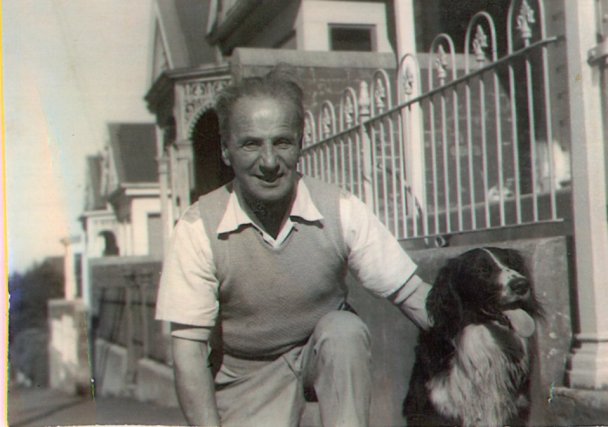
Joseph and Tim 103 Maitland St Dunedin

Anne’s father, Joseph Coory with his beloved dog Tim, outside his house at 103 Maitland Street, Dunedin NZ.

All through my childhood, I would reach out for his emotional support. and in his emotional immaturity, he would reach out for mine. As young as I was, I always sensed that he needed me as much as I needed him. In this way, we both survived my childhood. Perhaps it was my concern for him and his whereabouts when he left me that caused me so much anxiety. He could never stay for long and his leaving always caused my insides to churn, which I never really learned to deal with. A Catholic orphanage  was not the sort of place where your emotional needs were attended to. The most important thing here was the health of your soul. My father always seemed harassed and a bit lost, so eventually I avoided scenes of tears because it would only upset him. I had no idea what was happening to my father on the outside of the orphanage but it didn’t stop me from picking up on his moods and demeanour. Children like me become very adept at internalising emotions and hurts. But there were times when the dam burst, causing me to scream and yell so much that the nuns would lose their patience and lock me in a cupboard or a small room. There was always that air of emotional fragility about Joseph, my very being attuned and attentive to his every nuance. Too soon I would become the adult and he the child. Perhaps this was why I took so long to deal with my own emotional needs.

><

Joseph with his oldest & youngest sisters, Elizabeth & Pearl

><

Jacob and Eva Coory’s firstborn son, Joseph, followed two daughters, Elizabeth and Amelia. But sadly Joseph was not the healthy son his parents longed for. His sickly entry into the world was one of the reasons he suffered ill-health all of his life. According to his father’s diary, written in his native Aramaic, Joseph almost died when he was a newborn. He was so ill during his first two years that his mother wrapped him warmly and tightly and waited for him to die. Joseph suffered ill thrift all through his baby and toddler years because he could only suck small amounts of milk, sometimes bread soaked in milk. I was later to discover that Joseph’s birth had never been registered so there is no doubt that his parents expected that he would die. From his childhood to his death, he never ate a balanced diet, ever. He existed instead on bread and cheese, some fruit, and endless cups of sweet milky tea.  He was a simple man who attained the literacy levels only of a twelve-year-old. But he could speak English and Aramaic fluently. He left school at the age of nine and refused to return because of the beatings he says were meted out to him by the Christian Brothers. As a young boy he only spoke comfortably in Aramaic, so language was definitely a barrier to his learning. It has been confirmed by his cousins that his parents refrained from disciplining him because of his fragile health and that he, quite literally, got away with doing almost whatever he wanted to do at home. He in turn clung to them for the rest of their lives and he never left The Family home at 67 Carroll Street in Dunedin, where he was born.

THE EPIC OF SADNESS

Your love taught me to grieve
and I have been in need, for centuries,
for a woman to make me grieve
for a woman, to cry upon her arms
like a sparrow
for a woman to gather my pieces
like shards of broken crystal

Your love has taught me, my lady, the worst habits
it has taught me to read my coffee cups
thousands of times a night
to experiment with alchemy,
to visit fortune tellers

It has taught me to leave my house
to comb the sidewalks
and search your face in raindrops
and in car lights
and to peruse your clothes
in the clothes of unknowns
and to search for your image
even…even…
even in the posters of advertisements

Your love has taught me
to wander around, for hours,
searching for a gypsy’s hair
that all gypsy women will envy
searching for a face, for a voice
which is all the faces and all the voices…

Your love entered me, my lady,
into the cities of sadness
and I before you, never entered
the cities of sadness
I did not know…
that tears are the person,
that a person without sadness
is only a shadow of a person…

Your love taught me
to behave like a boy
to draw your face with chalk
upon the wall,
upon the sails of fishermen’s boats
on the church bells, on the crucifixes,
your love taught me how love
changes the map of time…

Your love taught me
that when I love
the earth stops revolving,
your love taught me things
that were never accounted for

So I read children’s fairytales,
I entered the castles of genies
and I dreamt that she would marry me
the Sultan’s daughter
those eyes…
clearer than the water of a lagoon
those lips…
more desirable than the flower of pomegranates
and I dreamt that I would kidnap her like a knight
and I dreamt that I would give her
necklaces of pearl and coral

Your love taught me, my lady,
what is insanity
it taught me
how life may pass
without the Sultan’s daughter arriving

Your love taught me
how to love you in all things
in a bare winter tree,
in dry yellow leaves
in the rain, in a tempest,
in the smallest cafe we drank in,
in the evenings…our black coffee

Your love taught me
to seek refuge in hotels without names,
in churches without names,
in cafes without names

Your love taught me
how the night swells
the sadness of strangers,
it taught me how to see
Beirut as a woman…
a tyrant of temptation as a woman,
wearing every evening
the most beautiful clothes she possesses
and sprinkling upon her breasts perfume
for the fisherman, and the princes

Your love taught me how to cry without crying,
it taught me how sadness sleeps
like a boy with his feet cut off
in the streets of the Rouche and the Hamra

Your love taught me to grieve
and I have been in need, for centuries,
for a woman to make me grieve
for a woman, to cry upon her arms
like a sparrow
for a woman to gather my pieces
like shards of broken crystal.

-Syrian Poet: Nizar Tawfiq Qabbani.

><

Nizar Tawfiq Qabbani 1923-1998

><

Thank you for sharing this beautiful poem with me @permabloom

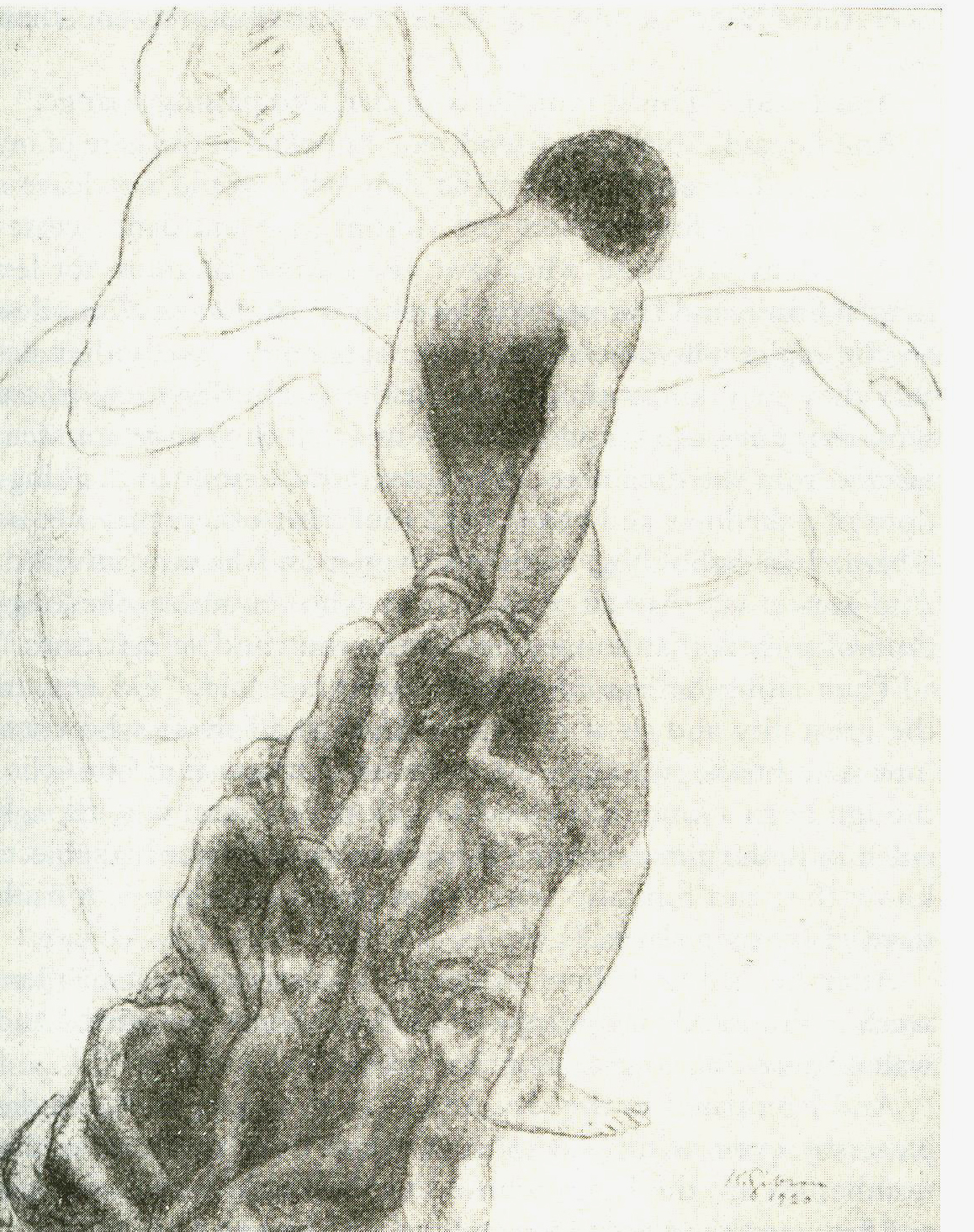
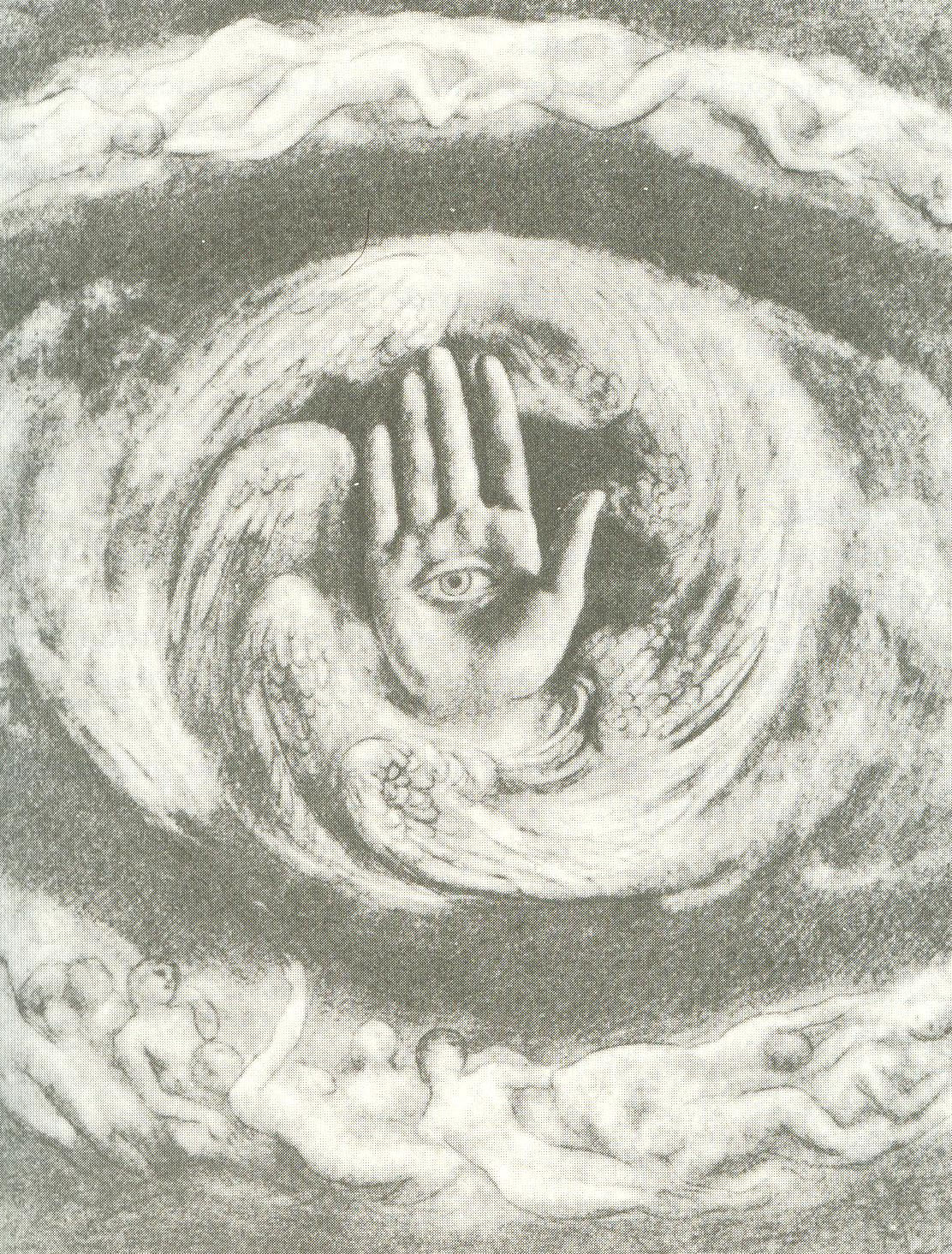
Sketches by Khalil Gibran, Lebanon’s most famous poet

********

download

“… …..But you should also be proud that your mothers and fathers came from a land upon which God laid his gracious hand and raised his messengers.” –

Khalil Gibran  I believe in you (1926)

Gibran 2

<><><

My house says to me, ‘Do not leave me, for here dwells your past.’ And the road says to me, ‘Come and follow me, for I am your future.’ And I say to both my house and the road, I have no past, nor have I a future. If I stay here, there is a going in my staying; and if I go there is a staying in my going. Only love and death change all things.- Khalil Gibran

*************************

Kahlil G

><><><

kahlil gibran 001

><><><

Poetry is not an opinion expressed. It is a song that rises from a bleeding wound or a smiling mouth.” – Khalil Gibran

Dedicated to all the poets and writers in the Middle East who have been murdered in their peaceful pursuit of freedom for their country.

MORE HERE … 

Pity The Nation Of Lebanon…. ……..my tribute to Khalil Gibran……

Updated 19 March 2018

*****

Scattered Cedars

*****

Once again the so-called Lebanese ‘genealogists’ of Dunedin failed miserably in providing the correct names of Jacob Coory’s grandchildren, in a book about the Lebanese migrant community in Dunedin in the late nineteenth and twentieth centuries, published in 2013.

In the earlier book published, entitled Lebanon’s Children (see below) I, nee Anne Marie Coory, was in a group photo but alas was the only child not named. I took that as an insult to my grandfather, Jacob Coory, one of the original settlers, and to his oldest son, my father, Joseph Coory. But I assumed any later books published would correct the mistakes in this first book. But no!

Any genealogist worth their salt, knows that you do not publish family trees with incorrect information. Fact checking and date checking takes much time, and expense, if you have to purchase original documents, but it must be done! Looking through this latest edition, Scattered Cedars, I saw that there were not many photos of our branch of the Coory family and very little other information. But there was a family tree of sorts: ‘Joe Coory’ there under his parents’ Eva Arida’s and Jacob Coory’s names.  Not even my father’s proper name, ‘Joseph’, just ‘Joe’, and under his name ‘Kasey’, whose name is actually ‘Kevin Joseph Coory’ not his nickname KC, which were his initials! Kevin was actually Phillip Coory’s son, Phillip being Joseph’s younger brother.  My father adopted Kevin after he married my Italian mother, Doreen Marie Frandi, whom Phillip had abandoned when he found she was pregnant. He was already married with a son, you see? My name in the family tree is listed as JoAnne, which upset me greatly. I have written a book Whatever Happened To Ishtar? 

4th edition (2020) now available in Kindle e book and paperback 

Here from AMAZON BOOKS

in which all this tragic saga is explained in full. To cut a long story short, my mother was kicked out of the Coory family home in Carroll Street, Dunedin and I, my father’s only biological child, was dumped in an orphanage at ten months old. When I was about nine years  old, the Coory family decided that they needed me to be trained up as a future housemaid for the family, and I was sent to St Dominic’s College in Rattray Street Dunedin, (fees which my father could barely afford) with many of the other Lebanese girls in the Dunedin community at that time, although I was certainly not their equal as they made very clear to me. When I was fourteen years old, two of my aunts decided that Ann Cockburn, my aunt, and her daughter, Anne Marie, were enough ‘Annes’ in the family, so my name would henceforth be changed to “Joe’s Anne’ shortened to JoAnne! My mother, and Kevin, (who was kicked out along with our mother), and her Italian extended family always called me Anne, named after my mother’s youngest sister, who was very special to my mother, as she practically raised her. Many years later when I visited Italian family members around the world, for information for my book Whatever Happened To Ishtar? they also knew me as Anne, which is the name on my birth certificate if anyone writing up Jacob Coory’s family tree would have discovered!

As it happens, the only correct name given to the three children under Joseph Coory’s name on the family tree, is my younger brother’s name, Anthony. My mother did not rate a mention!

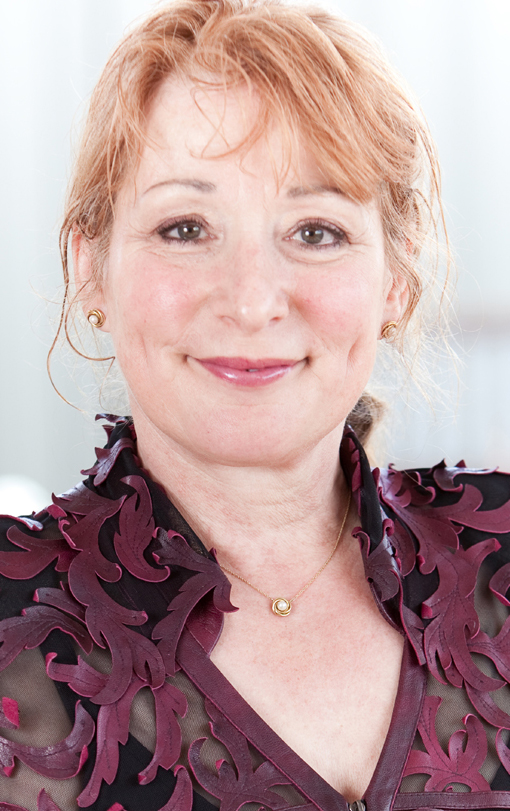
-Anne Frandi-Coory

*****

Lebanese expats in New Zealand mark their reunion in October 2011: Descendants of 19th Century Lebanese settlers in Dunedin, on New Zealand’s South Island, have unveiled a Cedars of Lebanon Grove at the city’s botanical garden:

…about 250 people gathered on the edge of the Botanic Garden’s Mediterranean Garden to witness the ceremonial opening of a new grove dedicated to the community’s history in Dunedin. The grove’s centrepiece was a large bronze sculpture of the cone of a cedar, the national tree of Lebanon, as well as two cedar trees and a wooden park bench on which to sit and contemplate the area.

Dunedin also has its own ‘Lebanon-town’:

The gathering also included exhibitions of family history, a reception and black tie ball in the Dunedin Town Hall, as well as a tour of the “Lebanese precinct” between Carroll, Maitland, Stafford and Hope Streets in Dunedin. As Reported by LebTweets

Jacob & Eva Coory c.1897

<

Anne Frandi-Coory’s grandparents Eva and Jacob Coory (Fahkrey) and their extended family lived in Carroll Street for over 100 years, following their emigration from Bcharre, Lebanon. Kahlil Gibran came from the same village as Eva and Jacob, and were related by marriage. Anne would have liked to have gone to the reunion, but too many past ghosts are forever  haunting her.

…………………..

><><><><><><><><><><><><><><><><><><><><><

Notes from Anne Frandi-Coory:

Thank you Wendy Joseph, for attending the Lebanese Reunion,  I know how hard that must have been for you; We never would have found each other again if you hadn’t been so brave. Both our mothers abandoned us, we paid a heavy price, but survived. Sadly, with no help from the wider Lebanese community.  That’s not to say that I am not proud to be Lebanese, but I cannot speak for Wendy.

******************************************************************

The question I ask of the Lebanese community, which endlessly heralds its “sense of family”, is this: Why was there not enough love and compassion from aunts to close in around me and Wendy? True, our mothers were ‘outsiders’ and found life difficult (to put it mildly) among so many ethnocentric Lebanese immigrants, with their different style of living and eating. I remember the ‘racism’ well. Everyone was well aware within the community at the time,  that preference for marriage partners was for those from within the Lebanese community itself or from those families back in Lebanon.  But the truth was, many did marry “unglese” and life could be very difficult for them unless they were strong and independently minded, which my mother certainly wasn’t. ><

Anne Coory 8

><><><><><><><><><><><><>

After a Lebanese community celebration c 1956 (the date on the photo is incorrect), photos of family groups were taken on the steps of St Joseph’s Cathedral at the top of Rattray Street, Dunedin.   I am the only child there who is not named. Why?  If I was publishing such an important work, I would have left no stone unturned until I found the name of the unnamed child.

><><><><><><><><><><><><

Photo below: Ann Coory Cockburn, Eva Arida Coory’s daughter at rear on left,  Eva in front of her in furs, and beside Eva on the right is her daughter, Neghia Coory Dale with me standing in front of neghia with her hands on my shoulders.

Carroll St Dunedin c. 1956

><><><><><><><><><><><><><><

The photo above was obviously taken on the same day as the Lebanese Community group photo on the Cathedral steps, this one taken outside the Coory family home at 67 Carroll Street, Dunedin…

The Coory family were beginning to show off their hard-earned prosperity at this stage.

And there again is 8 year old Anne Frandi-Coory, in the same dress, the odd one out and as usual looking bewildered, but still no-one knew who I was?  I was not long extracted from the Mercy Orphanage for the Poor in South Dunedin, but still, my father lived in the Carroll Street house most of his life! 

It is not for me I mourn, but for my children and their children who missed out on so much! That is my heartbreak.

Anne blog

Anne Frandi-Coory

>><><><><><><><><><><><><><><><><><><><><><><><><><><><><><><><><><><><><><><><><><><><><><><><><><><><><><><><><><><><><><><><><><><>

An apology to my grandfather Jacob Coory, a pillar of the Dunedin Lebanese community.  The above group photograph of Lebanese families appeared in a publication Lebanon’s Children’ in 2004. The front row proudly displays their children. Unfortunately, Granddad, there I, Anne Frandi-Coory, 5th child from the left, stood holding the hand of my little cousin Anne-Marie Cockburn, but no-one knew who I was.  Even though I was the only daughter of your oldest son, Joseph, I was the only child in the whole book not to be named.  One of your sons was on the committee that produced the book, but even he didn’t  recognise me! The reason could be that my Lebanese family dumped me when I was 10 months old, in an orphanage for the poor a few blocks from their family home because they hated my Italian mother.  Out of sight, out of mind, I guess. Still, I was devastated to discover I didn’t exist as far as my own extended family was concerned. Obviously, not all of  ‘Lebanon’s Children’ are born equal. As a writer, genealogist and author,  I would not have published Lebanon’s Children’  until I had identified the the unnamed child. Enough of that community saw me often walking with my father, holding his hand, as he stopped to talk to Lebanese compatriots, around the streets of Dunedin. And what of my brothers, Kevin and Anthony? The point is, the abuse and neglect I suffered as a child, at the hands of my Lebanese extended family, has had an adverse effect on following generations. That is what I find very difficult to come to terms with. 

………………………………………..

jacob-coory-fb-2

My Lebanese grandfather, Jacob Habib El Khouri Eleishah Coory (Fahkrey) as I remember him

Thank you Granddad Jacob for treating me with love and respect and protecting me from the family’s hatred when you could. Even though I was only 8 years old when you died, you had a profound effect on my life.  It only takes one good man…

>><> More….photos, stories …. Catholic schools, churches and orphanages

*****************************************************************************************

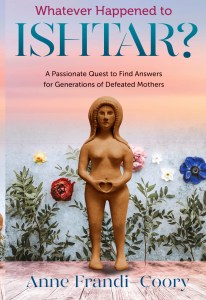
Read more about Anne’s story here: Whatever Happened To Ishtar?;  A Passionate Quest To Find Answers For Generations of Defeated Mothers – throughout Anne’s family tree; both Lebanese and Italian

Below: Catholic orphanage, schools & boarding college complex in Adelaide Road South Dunedin which also included the Sisters of Mercy convent, as described in Anne Frandi-Coory’s book:

‘Whatever Happened to Ishtar?’

A Passionate Quest To Find Answers For Generations Of Defeated Mothers

4th Edition (pub. 2020) now available in paperback and kindle

HERE  at  AMAZON 

Whatever Happened to Ishtar_cover 2020

********************************

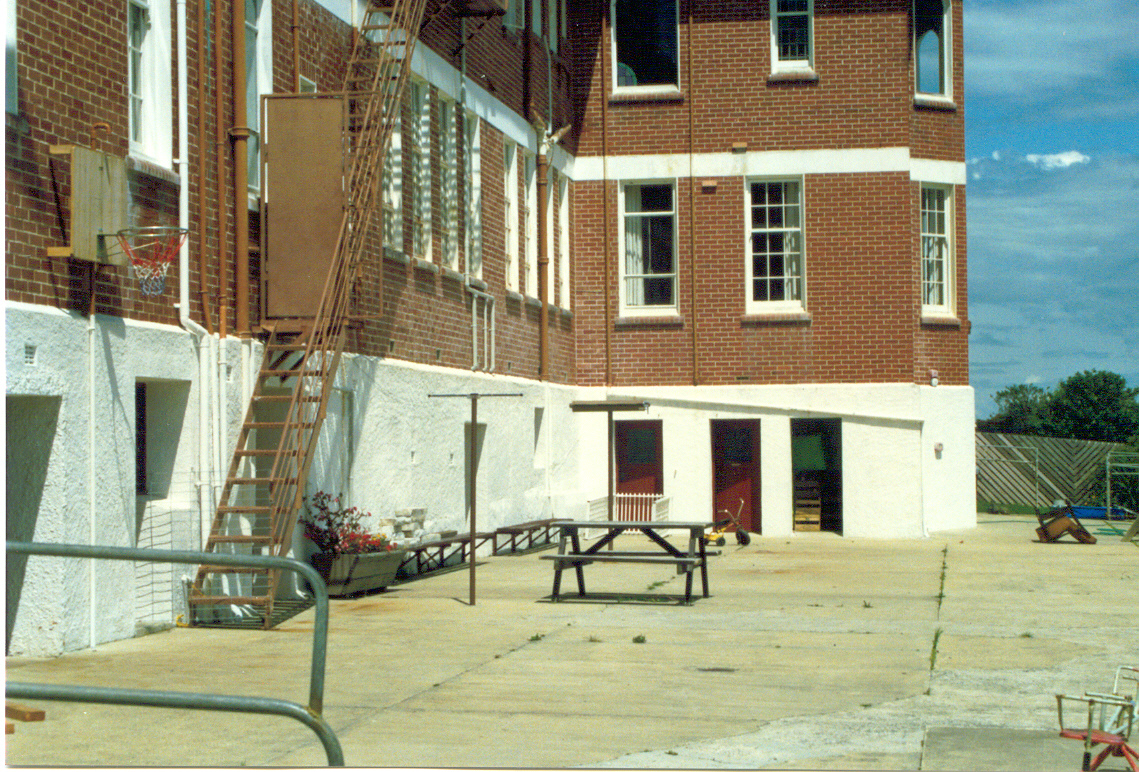
Rear view of St Philomena’s Dormitory (for older girls) shortly before it was demolished. Anne lived here for a short time before being sent to St Dominic’s Boarding College at 9 years. (Photo:copyright to afcoory)

><><><><

St Philomena's Dormitory 2

The long remembered narrow sashes and fire escapes. (Photo:copyright to afcoory)

><><

four nuns 001

Carmody sisters: Sister Christopher, right (Anne Frandi-Coory’s ‘foster mother’ & nursery supervisor) with her three biological sisters. (Photo: Sister Joanna)

><

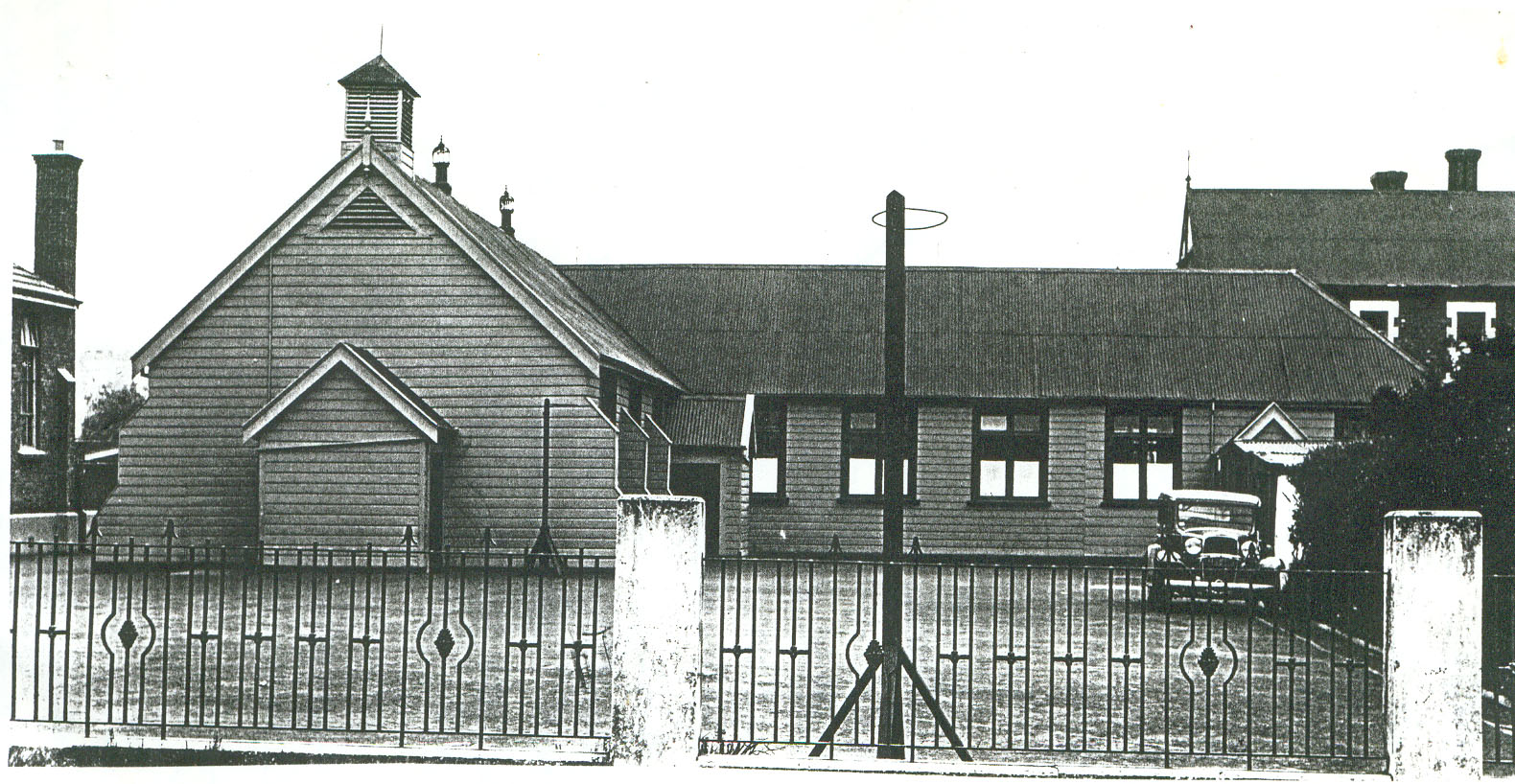
St Patrick's school & chapel

St Patrick’s Primary School and Chapel in the Mercy Orphanage complex where Anne & Kevin began their first year at school. (Photo: Sister Joanna)

><

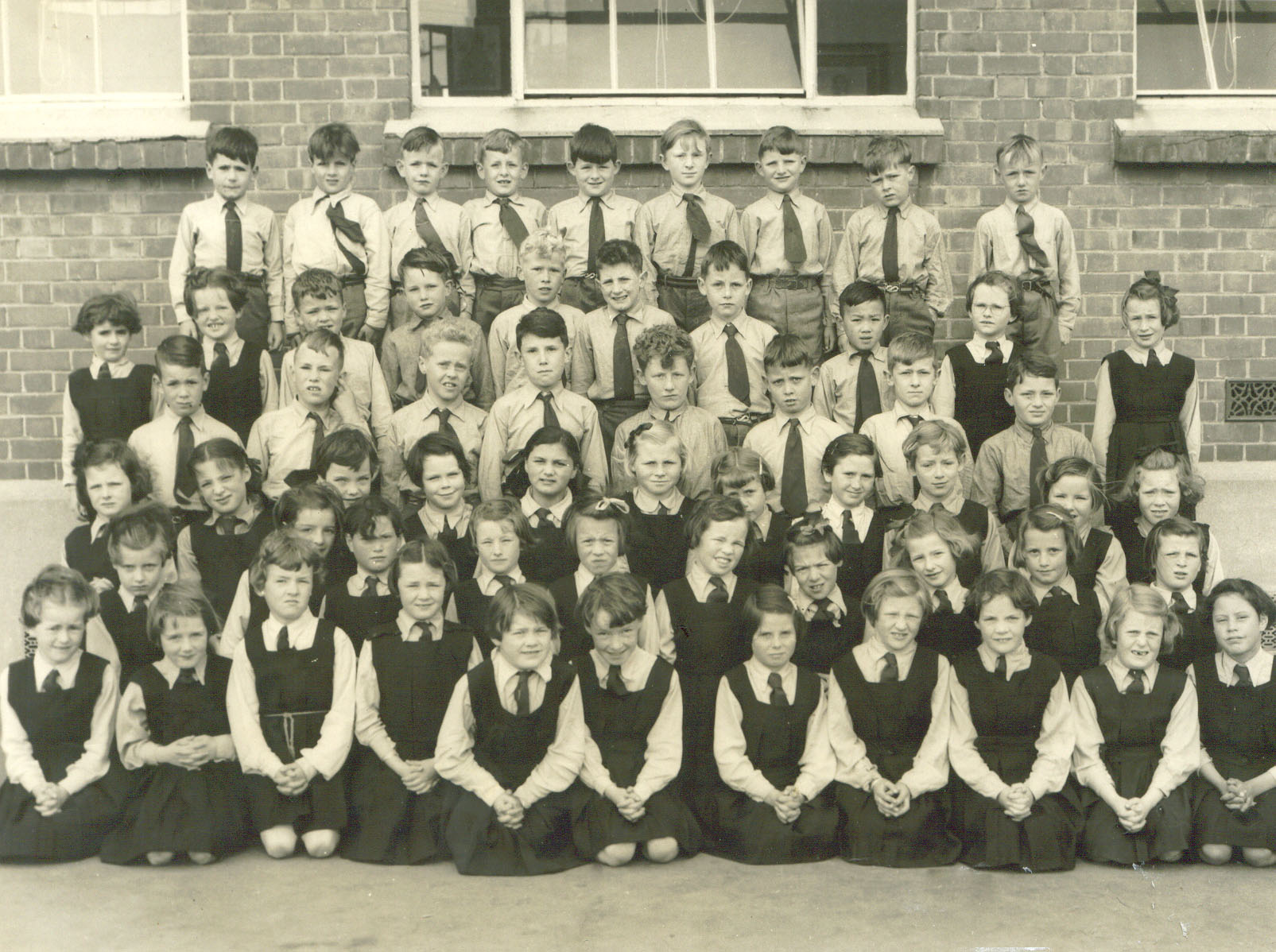
Group

Anne (3rd row from front, 2nd left), in St Patrick’s School group photo; most were day pupils. (Photo: Joseph Coory copyright to afcoory)

><

St Agnes' Nursery

St Agnes’ Nursery where Kevin, Anne, Anthony, were placed as infants. (Photo: copyright to afcoory)

><><><><

St Vincent's

St Vincent’s building which housed the orphanage kitchen & dining room. On the left, the same tree in which Anne saw the never forgotten black mother cat & kittens, while she lived at the orphanage. (Photo: copyright to afcoory)
><><><><

BELOW: The Catholic St Joseph’s Boys’ Home, 133-135 Doon Street,  Otago Peninsula. The Boys’ Home, when my brothers lived there,  was surrounded by farmland owned by the Catholic Church (This building now serves as a students’ and nuns’ hostel)

St Joseph's Boys' Home Waverley 5

Front entrance to St Joseph’s Orphanage for boys at Waverley, Otago Peninsula; home to Kevin & Anthony at various times. (Photo: copyright to afcoory)

Rear view St Joseph's Boys' Home Waverley overlooking Harbour

Rear view of St Joseph’s Orphanage overlooking Otago Harbour. (Photo: Copyright to afcoory)

><><><><>

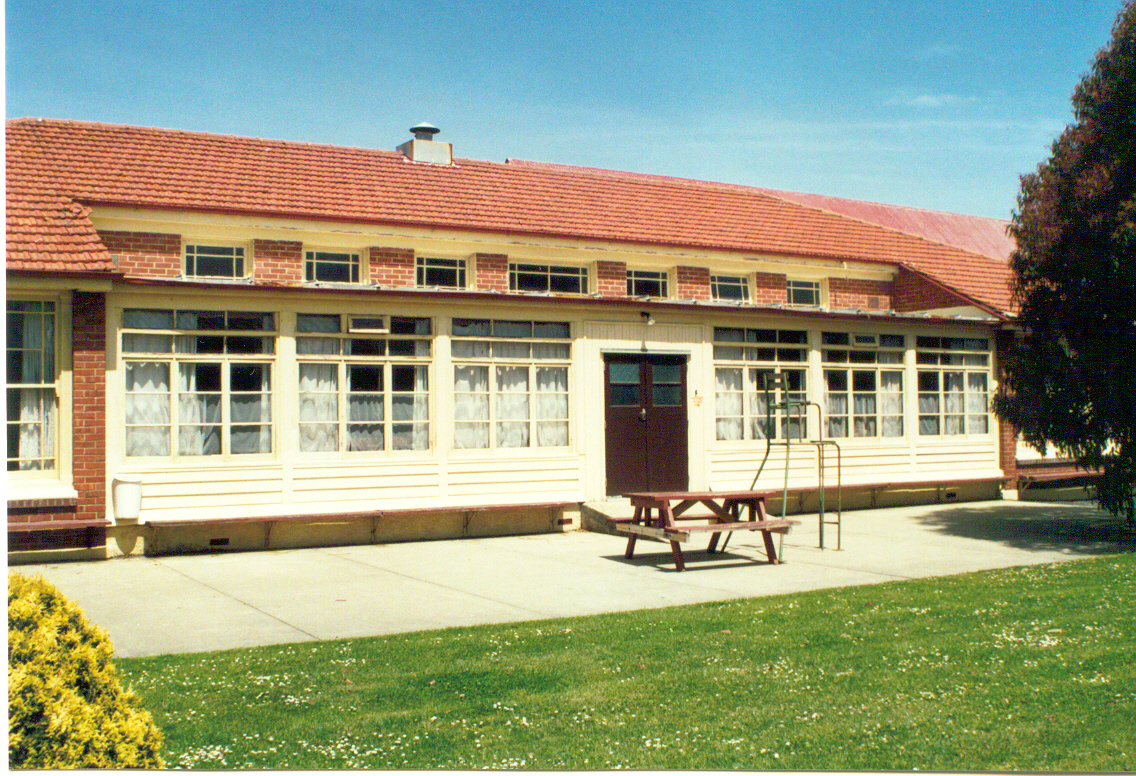
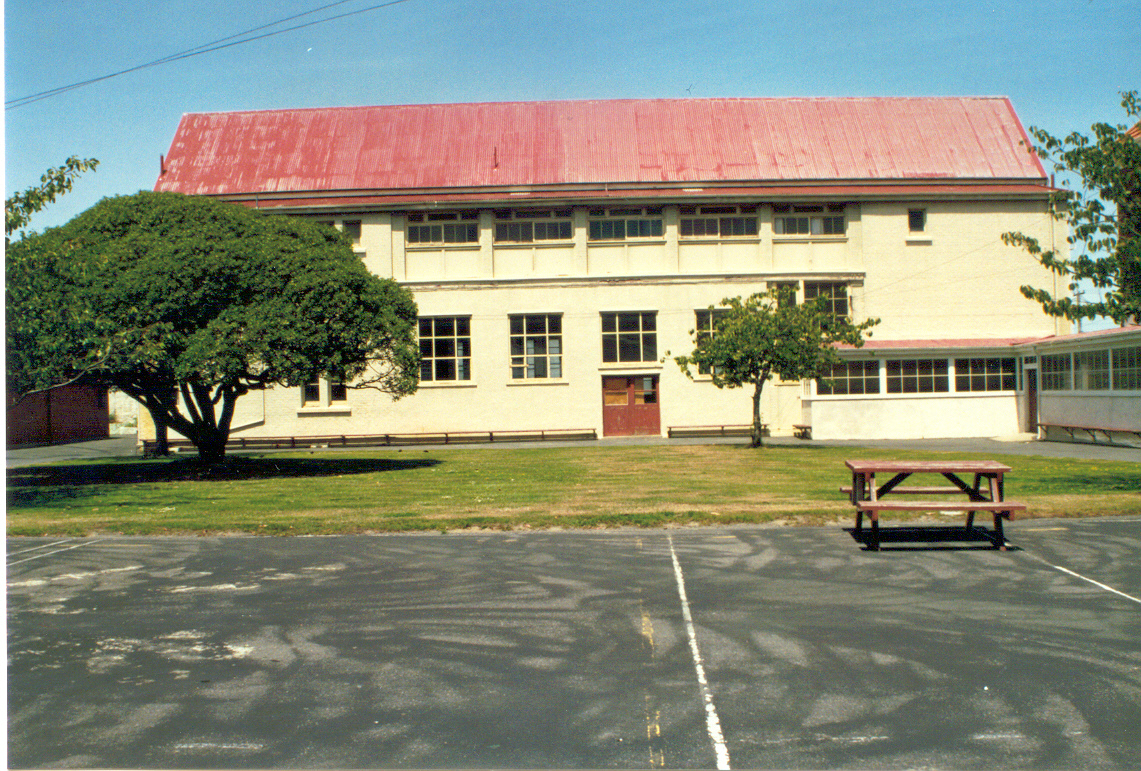
BELOW: St Dominic’s Boarding College, surrounded by St Joseph’s Cathedral, St Joseph’s Primary School and Christian Brothers’ establishment.

><><><><>

St Dominic's College

Imposing view of St Dominic’s Boarding College at the top of Rattray Street, Dunedin. (This building was one of the first to be built totally in concrete, in the Southern Hemisphere. (Photo: copyright to afcoory)

><><><><>

St Joseph's Cathedral, St Dominic's College, St Joseph's Primary School

Another view of the Dominican complex & St Joseph’s Cathedral (photo: copyright to afcoory)

><><><><>

scan0005

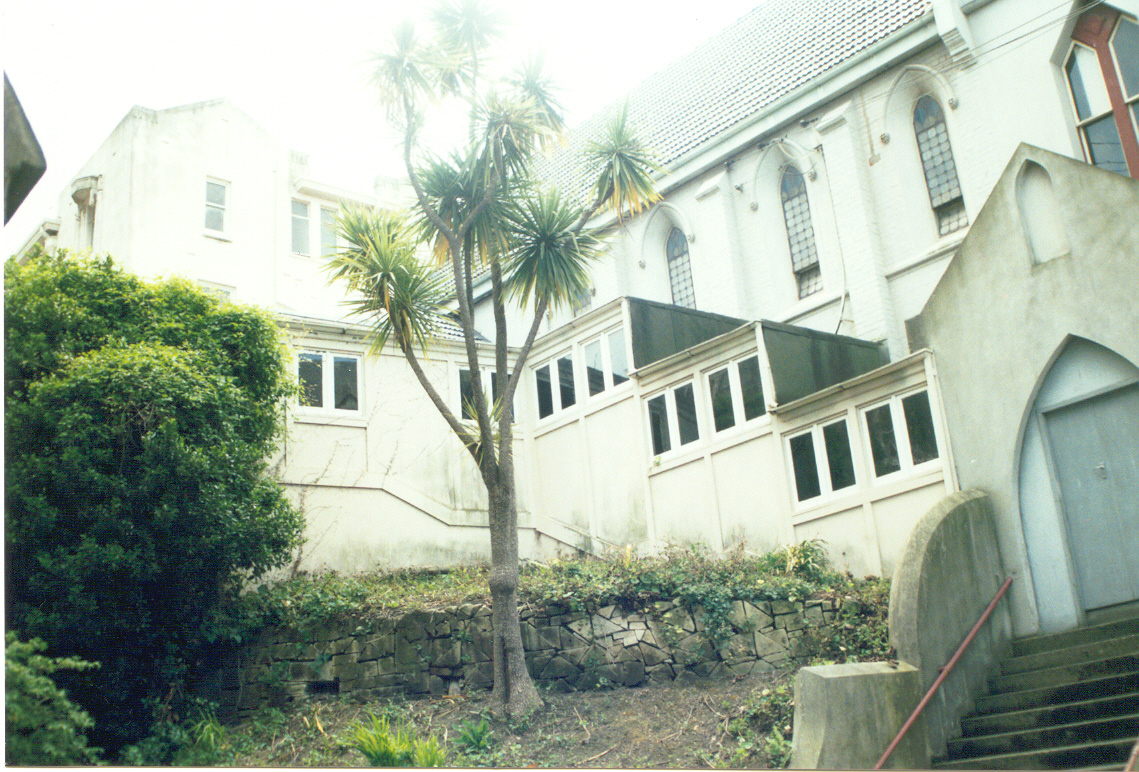
Rear view of St Dominic’s boarding complex behind the Cathedral (photo: copyright to afcoory)

><><><><><

scan0004

St Dominic’s entrance to the boarding college kitchen and dining room; day pupils could also have their lunch there if their parents paid.(Photo: copyright to afcoory)

><><><><><>

St Joseph's Cathedral & St Dominic's College

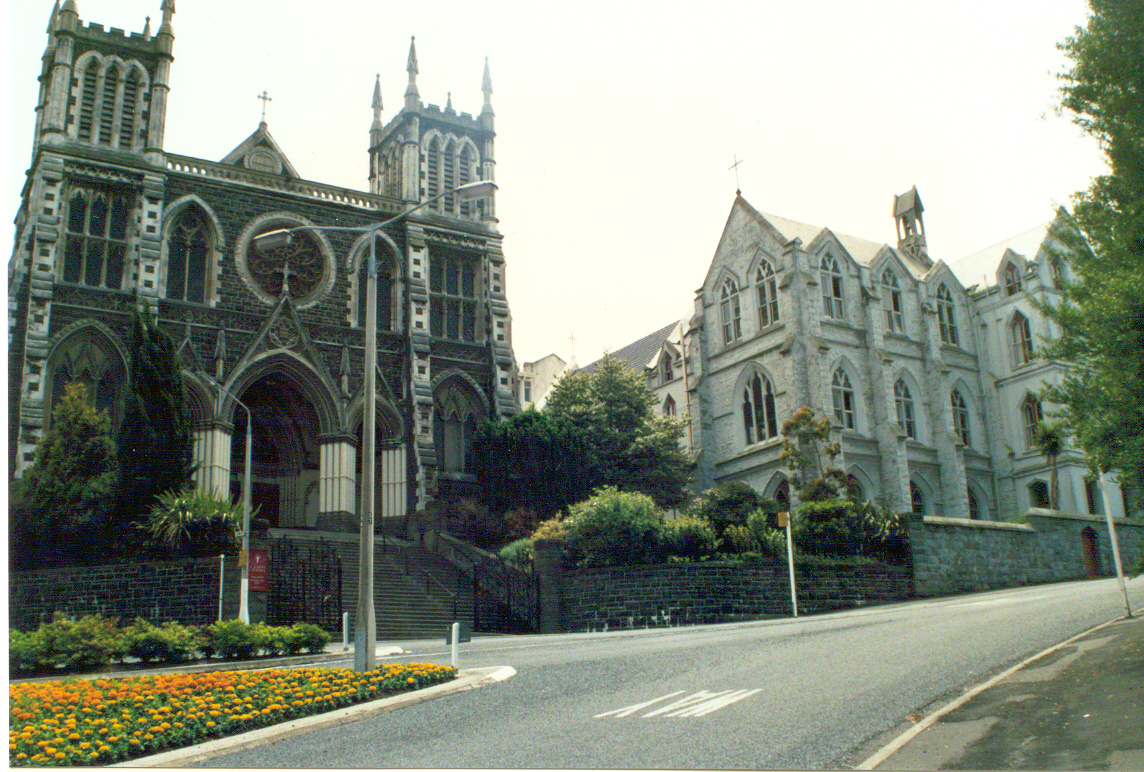
Dunedin Lebanese Citadel viewed from Rattray Street: St Joseph’s Cathedral & St Dominic’s Boarding College (Photo:copyright to afcoory)

************

55793567_536066193550698_3864337004271501312_n

View of St Joseph’s Cathedral Dunedin looking down onto Rattray Street from Smith Street, 2019 (Copyright photo by Susan Tarr, Author)

The Closing of the Western Mind; The Rise of Faith and the Fall of Reason

By Charles Freeman, published 2002

><

For anyone who is interested in the roots of Christianity, how it developed, and eventually swept the Western world, this book is the book to read. Greek philosophical tradition and paganism, were the losers.

To me personally, the most interesting chapters in the book, were those which dealt with the way in which a particular sect of Christianity became the state religion of the Roman Empire; Roman Catholicism.  It was largely because of political expediency; more power and control over the masses, by Roman emperors. I was fascinated by  the fierce in-fighting surrounding the  ‘correct’ early  interpretation and establishment of Christian dogma, as early as the 4th Century ACE.  It largely centred around the ‘Godhead’ of Christianity: God, Jesus, and the Holy Spirit, and whether or not all three were as ‘one’ or of three levels, (to put it very simply).  Part of the problem was that early Christian dogma was formulated from several different sources: scriptures, gospels, old testament, Greek philosophy, Hebrew, Latin and Greek translations.  Also  taken into account was the life and status of Jesus, and in this case, there were so many disputed ‘facts’ about who he was and how he lived, that it appears the Jesus we know, could have been a ‘collage’ of several different prophets or holy men who lived around the same time.

In the book, Freeman writes about Emperor Julian (who ruled from 361) – Dismayed by the vicious infighting he saw around him…Experience had taught him that no wild beasts are so dangerous to man as Christians are to one another.  Ammianus Marcellinus further suggests that  Emperor Julian believed that the Christians left to themselves would simply tear each other apart. Julian was well aware of the brutality of Christian generals and emperors.

-Anne Frandi-Coory 27 October 2011

><><><><

One more review of many:

“One of the best books to date on the development of Christianity…beautifully written and impressively annotated, this is an indispensible read for anyone interested in the roots of Christianity and its implications for our modern world view….Essential.”

-Choice

More here on Anne Frandi-Coory’s Facebook page 

https://www.facebook.com/myhomelibrary/

Updated 6 February 2017 – From today and over the next three weeks archbishops from every state (except Tasmania) will take the stand. 

Some statistics from the Royal Commission on first day of proceedings involving archbishops of Australia,  in just 5 Dioceses here in Australia:

Figures much worse for religious orders: 20.4% Marist Brothers, 21.9% Salesians, 22% Christian Brothers 40.4%, St John of God.

“The following five archdioceses or dioceses with priest members which had
the highest overall proportion of priests who ministered in the period 1950
to 2010 and who were alleged perpetrators: 


a. 11.7% of priests from the Diocese of Wollongong were alleged
perpetrators
b. 13.9% of priests from the Diocese of Lismore were alleged
perpetrators
c. 14.1% of priests from the Diocese of Port Pirie were alleged
perpetrators
d. 14.7% of priests from the Diocese of Sandhurst were alleged
perpetrators
e. 15.1% of priests from the Diocese of Sale were alleged
perpetrators”.

The disturbing figures were revealed by senior counsel assisting, Gail Furness, SC. She also revealed that the Holy See had refused to hand over documents involving Australian priests accused of abuse.

“The royal commission hoped to gain an understanding of the action taken in each case,” Furness said. “The Holy See responded, on 1 July 2014, that it was ‘neither possible nor appropriate to provide the information requested’,” she said

“Children were ignored or worse, punished. Allegations were not investigated. Priests and religious [brothers] were moved. The parishes or communities to which they were moved knew nothing of their past,” she said. “Documents were not kept or they were destroyed. Secrecy prevailed as did cover-ups.”

Read more here: Clerical Paedophilia; Centuries-Old Timebomb

*********************************************
The Inquiry into the sexual abuse of children by Catholic and other religious clerics is now underway in Australia.

‘Royal Commission Into Institutional Responses Into Sexual Abuse Of Children’ will carry out its investigations throughout Australia. The Chairman at the Inquiry is Justice Peter McClellan.

Thanks to the courageous work of PM Julia Gillard’s team, the Inquiry began its work in April 2013.

On 7 May 2013 Cardinal George Pell admitted that the Catholic Church covered up hundreds of cases of sexual abuse of children. The Church did this to protect the reputation of the Church, its wealth, and its priests.  Since he made that statement, Pell has been given refuge at the Vatican so that he has not taken the stand in these proceedings, which to many victims, is a travesty of justice!

>>>>>>>>>>>>>>>>

Below is a book which is a must read for anyone interested in the proceedings of the Inquiry:

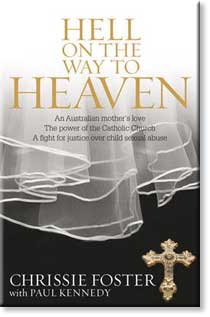
‘Hell On The Way To Heaven’ is written by Chrissie Foster, mother of two daughters who were raped by a 70+ year old Catholic Priest, Father Kevin O’Donnell. He died before justice prevailed. It’s a heartbreaking story. Chrissy Foster tells us that she was so indoctrinated by Catholic dogma she couldn’t see the signs that her daughters were at risk of sexual abuse by this paedophile. Father O’Donnell had total power over his diocese and the Catholic school the girls attended. He was free to wander among the children at any time and free to take them out of classes when he chose.

It is believed that this paedophile sexually molested and raped hundreds of boys and girls. The Catholic Church did not warn the community that there had been complaints against Kevin O’Donnell spanning 50 years.  O’Donnell was eventually defrocked by the Catholic Church but boys continued to visit him at his unit. When George Pell was informed by parishioners about O’Donnell’s continued association with children, he replied that it was no longer anything to do with the Catholic Church!

For everyone’s sake in our community, so this never happens again, please take the time to read this book.

>>>>>>>>>>>>>>

An Inquiry into the sexual abuse of children within the Catholic Church is long overdue in Australia.

The stress and heartbreak that the victims of sexual abuse, and their families, go through is horrendous. I do not believe that the Catholic Church even comes close to understanding this. If it did, would the Vatican have allowed this abuse to go on for centuries? Perhaps it’s not a question of understanding and empathy. It’s most likely all about power, wealth and status. I believe that the number of reported abuses is just the tip of the iceberg, because research has shown that is the tendency with all forms of sexual abuse. It can take half of a victim’s lifetime, or more, to just gain the strength to talk about the abuse. To quote Chrissie Foster: “It takes 40 or 50 years for children to talk about what has happened to them, and it just never stops”.

…….

For more details see: How Catholic Dogma Aided Paedophile priests

………..

Chrissie & Anthony Foster

><

It one such case, two of Chrissie and Anthony Fosters’ daughters were raped by a Catholic Priest. In an article about the Fosters in Catholica, March 2011, the writer refers to the abuser as “A Holy Roman Catholic Priest”.  I think this is indicative of the mentality of the Catholic hierarchy, in that they choose this highly inflated title to describe a paedophile. It sends a message that this rapist continues to be treated with respect by his peers and the Vatican!

Chrissie and Anthony Foster are the parents of three daughters, two of whom were raped as little girls by a paedophile priest, Kevin O’Donnell. One of the daughters eventually took her own life in despair after a long period of self harm. The second daughter who was raped, after a similarly long period of self harm, walked in front of a speeding car while intoxicated and today requires round the clock nursing care that will continue for the rest of her life.

Mrs Foster has written a book ‘Hell on the Way to Heaven‘ in which she cites six bishops who failed to take decisive action following several parents’ complaints regarding Kevin O’Donnell. It is difficult to comprehend why Cardinal Pell is still in Office given what has been presented in Mrs Foster’s book. “Cardinal Pell has more front than Myers Department Store and it will probably wash over him like water off a duck’s back”.  Read Mrs Foster’s book and judge for yourself, the failure of these six bishops to protect children from sexual abuse by Kevin O’Donnell.  Cardinal Pell appears to bury his head in the sand over this issue, and still there has been no effective inquiry.

><

><

The Fosters are driving the push for an inquiry into sexual abuse by clergy in Victoria.  As quoted in the Waverley Leader September 13, “Two signatures stand between an inquiry into the alleged sexual abuse of two Oakleigh girls, and other alleged victims by Victorian clergy”.  Labour MP, Anne Barker handed the proposed terms of reference for an inquiry to Attorney-General Robert Clark, recently. If Mr Clark and Premier Ted Baillieu, sign  the four page document, a Royal Commission of Inquiry will be launched.  The Terms of Reference state that: “Since 1993, more than 65 clergy who have served in Victoria, have been convicted of abuse”. These figures are staggering. But the Catholic hierarchy have stipulated that they will not deviate from its ‘Melbourne Response Programme’ which was implemented 15 years ago. However, going on past experience of the way the Catholic Church has protected its paedophile priests, we must have nothing less than a Royal Commission of Inquiry, which would be  totally outside the influence of the Vatican. Mr Foster believes A  Royal Commission is the only way to expose the secretive behaviour of the Church, and bring it under full scrutiny. A decision is pending. Let’s hope that in the event of a Royal Commission of Inquiry in Victoria, other states will follow suit.

-Anne Frandi-Coory 20 December 2011

><><><>><><><>

See  previous posts:  Clerical Paedophilia         /    Irish PM Blasts Vatican

This is a great read, not only about Galileo & his daughters, but also about the rigid, religious era they lived in.

><

Galileo’s Daughter; A Drama of Science, Faith & Love


><

Galileo Galilei, that illustrious 17th Century  scientist, and devout Catholic, confined his eldest daughter from the age of thirteen (1616)  to San Matteo convent in Arcetri.  His daughter, Virginia was deemed unmarriageable because her father had never married her mother, the beautiful Marina Gamba of Venice.
Virginia (Sister Maria Celeste) lived out her life in poverty and seclusion in the convent (Order of St Clare) , as did her younger sister, Livia. Unlike Virginia, very little is heard from, or about, the “silent and strange” Livia.   Virginia  lost all her teeth by age 27  because of her lack of a nutritious diet.  It is worth reading  ‘Galileo’s Daughter’ by Dava Sobel, a gifted author, for more on these remarkable lives.  We know so much about Galileo and Virginia because of the correspondence between the two. 
Ms Sobel also covers the horror of Galileo’s life and his banishment to house arrest in Ravenna, at the hands of the Holy Inquisition headed by Pope Paul V.

-Anne Frandi-Coory 9 September 2011

><

Previous post:  Nuns: An Endangered Species?

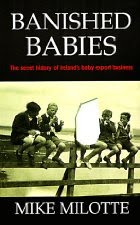
The book ‘Banished Babies’ by Mike Milotte, is about babies born in Ireland to unmarried mothers.   But we now know, banished babies were also born to illegitimate mothers in  New Zealand, Australia, America and England. More countries where this practise took place may yet come to light.  Australian Banished Babies want an apology. You might say “But this happened last Century”.  The thing is, the wounds left in these heartbreaking cases, never heal.

><

See Adoption: The Open Wound That Never Heals

><

‘Banished Babies’ were those babies taken from their unmarried mothers at birth.  I believe that the word ‘taken’ in this instance is a misnomer. It should read ‘ripped’, because that’s how it felt to the young mothers. I know this personally from my own mother’s case. This ‘baby snatching’ as others call it, was not for altruistic purposes; rather it was following Catholic dogma issued by the Vatican’s Office of the Congregation For the Doctrine of the Faith (formerly Office of the Holy Inquisition).   It was certainly not for the welfare of the infants, or their mothers.  No.  It was to remove these babies from their mothers who were seen by the Catholic Church as sinners who had to be punished. In the nuns’ minds, indoctrinated by the Church, the babies themselves were being saved from the clutches of satan and were ‘sold’, mostly to wealthy American couples, who, it was stipulated, had to be of the Catholic Faith.  It was strictly enforced by the Church, that neither mother or infant would ever be able to trace each other, and this caused even more heartbreak decades later.   (See my post about Philomena Lee). Large sums of money were exchanged for the privilege of ‘buying a newborn’, donation being the euphemism used. Ironic, isn’t it?  So much of that wealth the Church received, is now being paid out to even more victims of the Catholic Church; in the form of compensation  to  thousands of families whose children were sexually abused by paedophile priests.

><

For all the mothers and babies who never found each other

><

Between the end of WWII and 1965 more than 2,200 Irish infants were adopted out of the country, mostly by hopeful parents in the U.S. All the adoptive parents were, by mandate of the church in Ireland, Catholic. Until the late 1990’s and the work of Irish journalist Michael Milotte this was a fact known to few in Ireland and fewer in the U.S. In Ireland Milotte’s work, emphasising both the emotional and physical brutalisation of the birth mothers and the country’s loss of vital human capital, led to a great furor.

><

In 2001, the Washington Post reported:

Milotte, a senior reporter for the Irish television network RTE, says life was particularly hard for the mothers in these convents, which were largely self-sustaining thanks to the women’s labour but also received public funding. In some cases, he says, the priests and nuns received money from the adoptive parents, who paid “confinement and medical costs” associated with their child’s birth.

“Where did the money go?” he wonders. “It sustained the people who ran the institutions in a manner they wouldn’t have otherwise enjoyed.”  But money likely wasn’t the primary motivator, he says. Rather, there was a demand for children, and many of the nuns believed they were doing God’s work by sending some of Ireland‘s social outcasts to a better life in the land of opportunity.

“They thought they were doing good,” says Milotte in a phone interview from Dublin. “The fact that people might have rights didn’t enter into their thinking. They thought they knew best. If, in doing the best thing, there was an opportunity to make money, that was all the better.”  In those postwar days, it was not uncommon for Irish children to be adopted by U.S. military and government employees living abroad, Milotte says.

The birth mothers of these children spent their pregnancies and post-natal, pre-adoption lives in varioushomes, often convents, for girls and women who were seen by the conservative Catholic culture as shame-worthy moral degenerates. The horrific conditions that these women underwent was recently dramatized in the movie the Magdelene Sisters.

><


Milotte spoke with NPR’s Daniel Zwerdling upon release of his book Banished Babies in May of 1998:

Many of these women were seen as the next thing to prostitutes, and were very often told that when their identities became known. Even when girls got pregnant, very often they didn’t get married even if — because there was the stigma attached to having had sex before marriage. So even where a relationship endured, the child would be given up for adoption. And it was all done in secret.

I am one of those kids given up for adoption. It was in that interview in May of 1998, two days after I returned to Chicago following my mother’s funeral, that I learned of the controversy. I have always known that I was adopted, that I was a ‘true Irishman’, and I had always been proud and honored by the distinction. In the days immediately following my mom’s death I told my Dad that I had never for a second doubted who my ‘real’ parents were, that he and my mom were the only ones who can lay claim to me. I feel no different today.

None-the-less, as the NPR story continued I found myself getting information that I’m sure even they didn’t have.

ZWERDLING:  Here’s one of the most curious aspects of this story.It’s hard enough for most women to give up a baby for adoption during the first few hours or weeks of its life. But church officials forced the young mothers to stay in their convents and raise their own infants for at least one year or more before adoptive families could come and get them.Reporter Mike Milotte says he’s turned up cases where young women changed their minds after their babies were born and tried to leave the convents. (This also happened to my mother in New Zealand). But the nuns sent guards to capture the women and bring them back.For her part, Mary O’Connor says, she knew she’d have to give her baby away. She felt she literally had no choice. But by the time the nuns came to take her son, she’d been raising him for 17 months. Then one evening, O’Connor says, a nun told her, “Get him ready. We’re giving him away in the morning.”

O’CONNOR: So she just carried it over to the convent. There was two parts, like there was a hospital part where the children were kept and then there was the convent part. And the child was brought over to the convent part. And there was three steps up. You went in the side door and there were three steps up. And they went to the top of the steps and they said, “Just say goodbye now. That’s it.”

<

-Anne Frandi-Coory 25 July 2011

For more about my mother’s lost children & the heartlessness of the Catholic Church:

  ‘Whatever Happened to Ishtar? – A Passionate Quest to Find Answers for Generations of Defeated Mothers’.

Updated 2 March 2018


Anton Chekhov (Russia 1860-1904) and Katherine Mansfield (New Zealand 1888-1923), two of my favourite authors.  Tuberculosis killed them both. Chekhov had a tremendous influence on Mansfield, both on her life and in her writing.  Mansfield translated most of Chekhov’s letters and works into English.

><

*****

Anton Chekhov from ‘KATERINA’ by Joanna Woods

img20180314_09223807

If you are interested in the Russian phase of Mansfield’s life, Katerina; The Russian World of Katherine Mansfield, by Joanna Woods, is a must read.  Woods sets out this period of Mansfield’s life so meticulously that it serves as ready reference material for any questions which might come up regarding this phase of her life, and the other writers who featured in it.

‘”I would like to speak Russian with you” were among the last words written By Katherine Mansfield. She never travelled to Russia. However, her lifelong passion for everything Russian runs through her letters and notebooks in an unwritten thread.

Katya, Katoushka, Kissienka and Katerina were just some of the names that Katherine used at the height of her Russian pose, when she wore Russian dress, smoked Russian cigarettes, attended Russian concerts and embarked on a literary love affair with Chekhov that changed her writing – and her life.’

*************************

If Only We Could Know  by Vladimir Kataev – published 2002.

It is fascinating read and reveals what a great judge of character Anton Chekhov was.

I can understand why Katherine Mansfield was so passionate about his work. It is a double tragedy that they both died so young.  

Andrew R Durkin writes: Kataev’s work has been of fundamental importance in understanding Chekhov’s fiction and drama. Harvey Pitcher’s selection and careful translation of the core of Kataev’s studies make some of the best Russian Chekhov criticism available at last in English and should mark the beginning of a new level of understanding of Chekhov in the English-speaking world.

**********************************************


Katherine Mansfield

*****

The photo of Katherine Mansfield above is taken from the cover of  An Appraisal by Nariman Hormasji which gives another important aspect to Mansfield’s  writing including the influence of Chekhov and other Russian writers and authors.

*****

The Illustrated edition of THE GARDEN PARTYKatherine Mansfield Short Stories first published in 1987, is a beautiful, colourful bound book I treasure.


Katherine Mansfield 001


Visit Anne Frandi-Coory’s Facebook page here: https://www.facebook.com/myhomelibrary/