
A Letter to Catana Tully, author of
Split At The Root – A Memoir of Love and Lost Identity
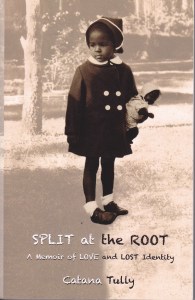
Dear Catana
I loved your book; so sad and yet uplifting to know the wonderful person you have become. I could relate to the essence of your story even though our stories are set in different parts of the world. It doesn’t matter what race or creed, life affects us in the same way, for better or for worse, for we are all too human and need love, just as much as nourishment, to thrive.
I find the hardest thing for me is that I cannot return to my childhood and change that which I yearn to do. Our identities were snatched from us and even after a lifetime, we still seem to be searching for something. Oh, we know our family history, I too researched mine for years before I wrote Whatever Happened To Ishtar?
I too was prevented from having any contact with my mother. The reasons are as varied as yours: her shame of unwed motherhood, and of course ethnocentric prejudice. I know that your German parents loved you, but what right did they have to rob your mother of you, and you of your mother? Your poor mother was used as nothing more than a slave, and that is what my Lebanese father’s family surely wanted of me? You write about your mother Rosa, as being so tired from cooking and cleaning for your German family, that she must have lamented the time that she couldn’t spend with you. I wonder, did she believe that she wasn’t worthy enough to love and care for you, her baby, as Mutti and Ruth did? My Lebanese extended family didn’t have a black slave, but they had me, a scapegoat child who would surely do the job!
Although your German family appeared to love you, and you had everything you could possibly have wanted, they stole your heritage, purely and simply. I too had a good, formal education, and I am grateful for that, but it could never make up for being separated from my mother as an infant, and never knowing her extended Italian family. A primal cut leaves a primal wound, which never stops bleeding. Our young mothers were vulnerable, both were naïve; more than likely coerced into an act they were not ready for, by sexually experienced men. I find it interesting that your mother also became pregnant after one sexual encounter with your father. My mother was an innocent ex Catholic nun while the father of her firstborn son was a soldier returning from the Second World War. He was already married with a young son, so she was left to fend for herself. It is true that the relationship a mother has with her child is intimately affected by how that child was conceived.
Like your German family convinced you in subtle ways, your mother was to be shunned or even feared, my Lebanese family made sure that I knew my mother was a ‘fallen’ woman and that it was inevitable I would follow in her footsteps unless rigid controls were put in place. No man would want to marry me, so best that I become the family dogsbody who remains unmarried and cares for the household. I too was given another name, which I have now largely rejected.
Your German mother’s life goal was to make sure you married a man who, like her, could ‘frame’ you as being well educated, well brought up, in spite of your black skin. The nickname she gave you absolutely appals me. How could it not enter into your subconscious mind and influence your deep feelings of self-worth later in life?
Even though we had very different upbringings…yours infused with love and mine with hatred, the end result was the same; we lost our souls, our cultural and personal identity. I love that the Carib’s, your mother’s people, embraced you when you finally returned to her village, decades later. This I know takes enormous courage.
You write about dreaming of your mother Rosa being ‘at my bed’ and your Carib siblings talk of being aware of the scent of her favourite Jasmine flower whenever her spirit hovered in the vicinity. While writing Ishtar? my mother’s nightly spiritual nagging urged me on whenever the book took too much of an emotional toll on my well-being and I just wanted to give the whole thing up. She wanted me to tell her heart-breaking story. I too believe, like your sister Adela does: ‘Back home we believe that there is no death, that when life in the body ends we return to our real essence; that of being spirits.’
All memories of the excluded mother who gave us birth are erased from the surface of our minds only to be buried deeply within us. Our lives were controlled, and as one of your reviewers has written: ‘Those who control the present control the past, and those who control the past, control the future.’
I am sure that our mothers’ spirits are now at peace. As I read your beautiful words within the pages of Split at the Root, they evoked vibrant images and enabled me to accompany you on your journey ‘home’. Thank you, Catana for sharing your life with us.
-Anne Frandi-Coory 7 March 2017


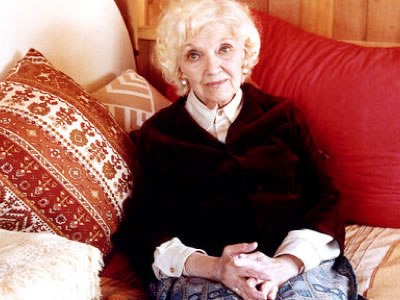
 anne frandi-coory