Archive

Tag Archives: Coory Family

Updated 19 March 2018

*****
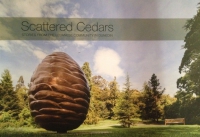
Scattered Cedars

*****

Once again the so-called Lebanese ‘genealogists’ of Dunedin failed miserably in providing the correct names of Jacob Coory’s grandchildren, in a book about the Lebanese migrant community in Dunedin in the late nineteenth and twentieth centuries, published in 2013.

In the earlier book published, entitled Lebanon’s Children (see below) I, nee Anne Marie Coory, was in a group photo but alas was the only child not named. I took that as an insult to my grandfather, Jacob Coory, one of the original settlers, and to his oldest son, my father, Joseph Coory. But I assumed any later books published would correct the mistakes in this first book. But no!

Any genealogist worth their salt, knows that you do not publish family trees with incorrect information. Fact checking and date checking takes much time, and expense, if you have to purchase original documents, but it must be done! Looking through this latest edition, Scattered Cedars, I saw that there were not many photos of our branch of the Coory family and very little other information. But there was a family tree of sorts: ‘Joe Coory’ there under his parents’ Eva Arida’s and Jacob Coory’s names.  Not even my father’s proper name, ‘Joseph’, just ‘Joe’, and under his name ‘Kasey’, whose name is actually ‘Kevin Joseph Coory’ not his nickname KC, which were his initials! Kevin was actually Phillip Coory’s son, Phillip being Joseph’s younger brother.  My father adopted Kevin after he married my Italian mother, Doreen Marie Frandi, whom Phillip had abandoned when he found she was pregnant. He was already married with a son, you see? My name in the family tree is listed as JoAnne, which upset me greatly. I have written a book Whatever Happened To Ishtar? 
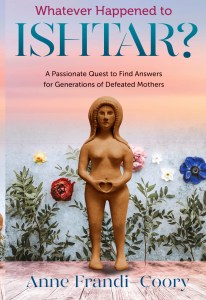
4th edition (2020) now available in Kindle e book and paperback 

Here from AMAZON BOOKS

in which all this tragic saga is explained in full. To cut a long story short, my mother was kicked out of the Coory family home in Carroll Street, Dunedin and I, my father’s only biological child, was dumped in an orphanage at ten months old. When I was about nine years  old, the Coory family decided that they needed me to be trained up as a future housemaid for the family, and I was sent to St Dominic’s College in Rattray Street Dunedin, (fees which my father could barely afford) with many of the other Lebanese girls in the Dunedin community at that time, although I was certainly not their equal as they made very clear to me. When I was fourteen years old, two of my aunts decided that Ann Cockburn, my aunt, and her daughter, Anne Marie, were enough ‘Annes’ in the family, so my name would henceforth be changed to “Joe’s Anne’ shortened to JoAnne! My mother, and Kevin, (who was kicked out along with our mother), and her Italian extended family always called me Anne, named after my mother’s youngest sister, who was very special to my mother, as she practically raised her. Many years later when I visited Italian family members around the world, for information for my book Whatever Happened To Ishtar? they also knew me as Anne, which is the name on my birth certificate if anyone writing up Jacob Coory’s family tree would have discovered!

As it happens, the only correct name given to the three children under Joseph Coory’s name on the family tree, is my younger brother’s name, Anthony. My mother did not rate a mention!

-Anne Frandi-Coory

*****

Lebanese expats in New Zealand mark their reunion in October 2011: Descendants of 19th Century Lebanese settlers in Dunedin, on New Zealand’s South Island, have unveiled a Cedars of Lebanon Grove at the city’s botanical garden:

…about 250 people gathered on the edge of the Botanic Garden’s Mediterranean Garden to witness the ceremonial opening of a new grove dedicated to the community’s history in Dunedin. The grove’s centrepiece was a large bronze sculpture of the cone of a cedar, the national tree of Lebanon, as well as two cedar trees and a wooden park bench on which to sit and contemplate the area.

Dunedin also has its own ‘Lebanon-town’:

The gathering also included exhibitions of family history, a reception and black tie ball in the Dunedin Town Hall, as well as a tour of the “Lebanese precinct” between Carroll, Maitland, Stafford and Hope Streets in Dunedin. As Reported by LebTweets

Jacob & Eva Coory c.1897

<

Anne Frandi-Coory’s grandparents Eva and Jacob Coory (Fahkrey) and their extended family lived in Carroll Street for over 100 years, following their emigration from Bcharre, Lebanon. Kahlil Gibran came from the same village as Eva and Jacob, and were related by marriage. Anne would have liked to have gone to the reunion, but too many past ghosts are forever  haunting her.

…………………..

><><><><><><><><><><><><><><><><><><><><><

Notes from Anne Frandi-Coory:

Thank you Wendy Joseph, for attending the Lebanese Reunion,  I know how hard that must have been for you; We never would have found each other again if you hadn’t been so brave. Both our mothers abandoned us, we paid a heavy price, but survived. Sadly, with no help from the wider Lebanese community.  That’s not to say that I am not proud to be Lebanese, but I cannot speak for Wendy.

******************************************************************

The question I ask of the Lebanese community, which endlessly heralds its “sense of family”, is this: Why was there not enough love and compassion from aunts to close in around me and Wendy? True, our mothers were ‘outsiders’ and found life difficult (to put it mildly) among so many ethnocentric Lebanese immigrants, with their different style of living and eating. I remember the ‘racism’ well. Everyone was well aware within the community at the time,  that preference for marriage partners was for those from within the Lebanese community itself or from those families back in Lebanon.  But the truth was, many did marry “unglese” and life could be very difficult for them unless they were strong and independently minded, which my mother certainly wasn’t. ><

Anne Coory 8

><><><><><><><><><><><><>

After a Lebanese community celebration c 1956 (the date on the photo is incorrect), photos of family groups were taken on the steps of St Joseph’s Cathedral at the top of Rattray Street, Dunedin.   I am the only child there who is not named. Why?  If I was publishing such an important work, I would have left no stone unturned until I found the name of the unnamed child.

><><><><><><><><><><><><

Photo below: Ann Coory Cockburn, Eva Arida Coory’s daughter at rear on left,  Eva in front of her in furs, and beside Eva on the right is her daughter, Neghia Coory Dale with me standing in front of neghia with her hands on my shoulders.

Carroll St Dunedin c. 1956

><><><><><><><><><><><><><><

The photo above was obviously taken on the same day as the Lebanese Community group photo on the Cathedral steps, this one taken outside the Coory family home at 67 Carroll Street, Dunedin…

The Coory family were beginning to show off their hard-earned prosperity at this stage.

And there again is 8 year old Anne Frandi-Coory, in the same dress, the odd one out and as usual looking bewildered, but still no-one knew who I was?  I was not long extracted from the Mercy Orphanage for the Poor in South Dunedin, but still, my father lived in the Carroll Street house most of his life! 

It is not for me I mourn, but for my children and their children who missed out on so much! That is my heartbreak.
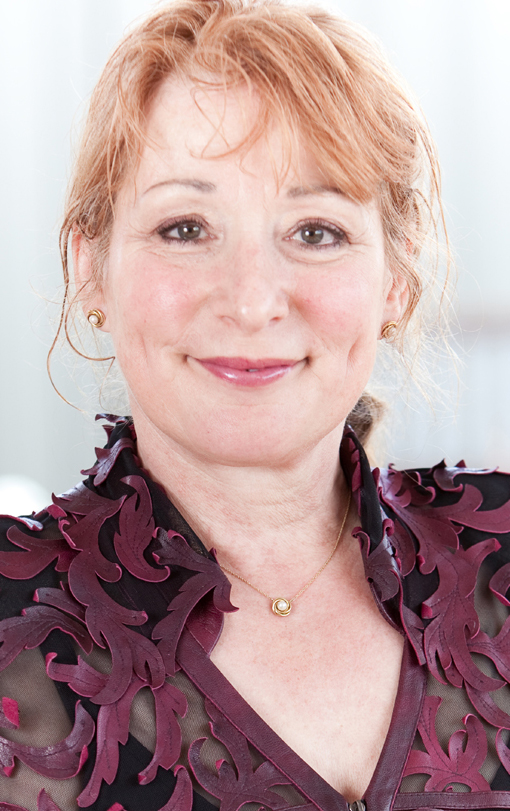
Anne blog

Anne Frandi-Coory

>><><><><><><><><><><><><><><><><><><><><><><><><><><><><><><><><><><><><><><><><><><><><><><><><><><><><><><><><><><><><><><><><><><>

An apology to my grandfather Jacob Coory, a pillar of the Dunedin Lebanese community.  The above group photograph of Lebanese families appeared in a publication Lebanon’s Children’ in 2004. The front row proudly displays their children. Unfortunately, Granddad, there I, Anne Frandi-Coory, 5th child from the left, stood holding the hand of my little cousin Anne-Marie Cockburn, but no-one knew who I was.  Even though I was the only daughter of your oldest son, Joseph, I was the only child in the whole book not to be named.  One of your sons was on the committee that produced the book, but even he didn’t  recognise me! The reason could be that my Lebanese family dumped me when I was 10 months old, in an orphanage for the poor a few blocks from their family home because they hated my Italian mother.  Out of sight, out of mind, I guess. Still, I was devastated to discover I didn’t exist as far as my own extended family was concerned. Obviously, not all of  ‘Lebanon’s Children’ are born equal. As a writer, genealogist and author,  I would not have published Lebanon’s Children’  until I had identified the the unnamed child. Enough of that community saw me often walking with my father, holding his hand, as he stopped to talk to Lebanese compatriots, around the streets of Dunedin. And what of my brothers, Kevin and Anthony? The point is, the abuse and neglect I suffered as a child, at the hands of my Lebanese extended family, has had an adverse effect on following generations. That is what I find very difficult to come to terms with. 

………………………………………..

jacob-coory-fb-2

My Lebanese grandfather, Jacob Habib El Khouri Eleishah Coory (Fahkrey) as I remember him

Thank you Granddad Jacob for treating me with love and respect and protecting me from the family’s hatred when you could. Even though I was only 8 years old when you died, you had a profound effect on my life.  It only takes one good man…

>><> More….photos, stories …. Catholic schools, churches and orphanages

*****************************************************************************************

Read more about Anne’s story here: Whatever Happened To Ishtar?;  A Passionate Quest To Find Answers For Generations of Defeated Mothers – throughout Anne’s family tree; both Lebanese and Italian

Updated 19 July 2017

The price you pay for a book bears no relation at all to the value of the stories and lessons held within!  I found The Arab Mind by Raphael Patai, [a prolific cultural anthropologist] marked down at a sale in a favourite NZ book shop.  I believe that, like cats, books find you, you don’t find them.  In all my travels I have never seen this book anywhere else.  And I found it while writing the final manuscript for ‘Whatever Happened To Ishtar?’

********

Fayez A. Sayegh comments in The Arab Mind: ‘…yet even more devastating… was the drying up of the creative and adventurous spirit within Arab society itself. The keen intellectual curiosity which characterised the preceding period, the passionate and untiring search for knowledge, and the joy of adventure were smothered under a hard crust of dogma and fundamentalism. Free thought was banished, traditionalism reigned in its place…’

><

One of the most enlightening books (for me) I have ever bought

><

I grew up without knowing my Italian mother as a person.  She suffered from severe bipolar disorder with psychotic episodes. So, at ten months old, I was placed in a Catholic  Orphanage for the poor, and was visited only by my devoted Lebanese father.  His extended family could not find any room in their hearts to love me.

My father often took me to visit his extended family, in the futile hope that  their frozen hearts might thaw, but the quiet, prayerful ways of a nun-studded convent does not prepare a young girl well for the noisy and multi-generational home of  Middle Eastern immigrants.  In their view I was “of another breed”.  I escaped Catholicism and “Little Lebanon” as a teenager and never returned.  However, you can take the girl out of her Lebanese extended family but you can’t take the Lebanese influence out of the girl, as the familiar cliché goes.  I picked up the Aramaic language they spoke and many positive aspects of their lives; great cooks, devotion to family (if you didn’t have a foreign mother that is) but those positives  were buried deep in my soul for many years, under all the negatives.

From The Arab Mind by Albert H. Hourani: To be a  Levantine is to live in two worlds or more at once, without belonging to either; to be able to go through the external forms which indicate the possession of a certain nationality, religion or culture, without actually possessing it. It is no longer to have a standard of values of one’s own, not to be able to create but only able to imitate; and not even to imitate correctly, since that also needs a certain originality. It is to belong to no community and to possess nothing of one’s own. It reveals itself in lostness, pretentiousness, cynicism and despair.

The Arab Mind was such a help in the final stages of writing   Whatever Happened To Ishtar? A Passionate Quest to Find Answers for Generations of Defeated Mothers.  Many of my Lebanese family’s ethnocentric behaviours suddenly took on new meaning; the hatred they exhibited toward my Italian mother and by association, to me, was the result of thousands of years of cultural prejudice.  Necessary in desert and mountain life in sectarian communities where brutal invasion and massacre were a common way of life.

To the Arab, saving face and honour are everything and when your beloved eldest son marries a sharmuta (Aramaic for prostitute-every woman who did not live up to the family’s cultural values was labelled sharmuta) then what can you do but exile from the family the issue of that union!  Being the only girl child made it easy for them to make me the scapegoat of all the family’s ills in a foreign country.

Historian Oswald Spengler: The Arab culture is a discovery . . . Its unity had been suspected by the late Arabs, but it escaped the Western historians so completely that one cannot find even a good designation for it. On the basis of the dominant language one could term the pre-culture and the early period Aramaic, the late period, Arabic . . . The Arab spirit however, mostly under a late-antique mask, cast its spell over the emerging culture of the West, and Arab civilization, which in the folk psyche of Southern Spain, Provence, and Sicily is superimposed that of antiquity…

In this current era of the ‘Arab Spring’, I recommend you find a copy and read The Arab Mind to gain an understanding of how differently we westerners from such very young countries, like Australia and New Zealand, view everyday life.  I think the half of my book that dealt with my father’s family was a much kinder book in the end because I read The Arab Mind before I sent my re-written manuscript off to the publishers.  So many of the events that played out in my childhood took on very different meanings, while suppressed memories re-surfaced.  I understood better, what it must have been like for my naive, fifteen year old Syrian/Lebanese grandmother, from the hills of Bcharre in Lebanon, to marry and follow my grandfather to the other side of the world. She was one tough, superstitious old woman when I met her.

How relevant to the lives of my Maronite Lebanese extended family, and by the same token, to the current Arab Spring,  are the following quotes in the book:

Nabih Amin  Faris and Mohammed Tawfik Husayn  write in The Arab Mind: ‘In some respects Arab absorption [particularly Arab Muslims] in their bygone days tends to be a chronic disease. It stems naturally from the general misery of the majority of the people and the wretched social and political conditions since the fall of the Abbasid empire and the Arab states in Spain and North Africa. They live in a splendid past as an escape from the miserable present…Until the closing years of the eighteenth century, the Arab world was in a state of near stagnation, ingrown, content with its prevailing conditions, resigned to its fate, and blissfully ignorant of the events unfolding around it. Then the West descended upon the Arab world as a conqueror, bringing its culture, civilisation, and science, its missionaries, its mercantile goods and commodities, and political, economic and military domination.’

I found chapter 15, The Question of Arab Stagnation particularly interesting. e.g. the Arab admiration for Israel; its excellence in scientific research, and its brilliant scholars and universities. Its global achievements in weaponry, commerce and banking, not to mention its organisational abilities in all walks of life. ‘The Jews, their rich people and their financial institutions…donate millions for their researches in Israel; but our rich people and our financial institutions,  our leaders, our rulers …do not contribute a single gursh [penny], but ask: Why donate to science?’  This chapter has several publications written by Arabs who are very critical of Arab stagnation since the early 14th century and why they believe Israel won the 1967 war. It may surprise readers to know that upwards of 200,000 Arabs a year regularly visit Israel because they love the place, and everything that it has to offer them, and which they cannot easily access in their own country.

Faris and Husayn further recognise that ‘the cultural famine which ravages Arab life is indeed not novel, nor is it the handiwork of colonial rule, feudal rapacity and local oppression alone…its roots go far back into the history of the Arab people.‘ …the low position in which Arab society keeps its women is an important contributing factor to this sorry state of affairs.  ‘No wonder,’ they exclaim, ‘that the Arab world remains backward, tradition-fettered, and limping behind the procession of human achievement, when women’s status is so low.’ [my emphasis]

It is not enough for Arabs to continue to blame the West for their stagnation…dam butlab dam feuds were so intense among the Arab tribes [blood demands blood or an eye for an eye] in pre-Islamic times, and were such a permanent feature of life…’that an important contributing factor to Muhammad’s success in rallying the people of the Arabian Peninsula around the banner of the new religion he preached was the fact that widespread feuding had weakened the Arab tribes and made it impossible for them to unite against him.’

From author Hisham Sharabi in The Arab Mind: …There is no turning away from Europe. This generation’s psychological duality, its bilingual, bicultural character are clear manifestations of this fact. It has to judge itself, to choose, and to act in terms of concepts and values rooted not in its own tradition but in a tradition that it has still not fully appropriated.

From Author Halim Barakėt in The Arab Mind:…We are a people who have lost their identity and their sense of  manhood. Each of us is suffering from a split personality, especially in Lebanon. We are Arab and yet our education is in some cases French [my grandfather, Jacob Coory’s second language was French], in some cases Anglo-Saxon and in others Eastern Mystic. A very strange mixture. We need to go back and search out our roots. We’re all schizophrenic…

The Arab Mind is a great read, very well written, and draws on accomplished writers and authors who know their topic well.   I urge anyone interested in Arab culture and history, to read this book.

I have lived a life in two halves, so I know what Barakėt means about being schizophrenic. Writing Ishtar? helped me to become one person and to discover the wonderful Italian and Lebanese genetic talents buried within me. The young Arabs of today have so many tools to use in their search for who they are; Facebook, Google, Twitter, blogging, mobile phones, formal education, etc etc.  Let’s hope their search for an identity won’t take as long as it did my generation.

 Follow Anne Frandi-Coory here on her blog:  frandi.blog

Also Here on Anne Frandi-Coory’s Facebook Page:

https://www.facebook.com/myhomelibrary/