Archive

Tag Archives: Lebanese

****************************

********************************

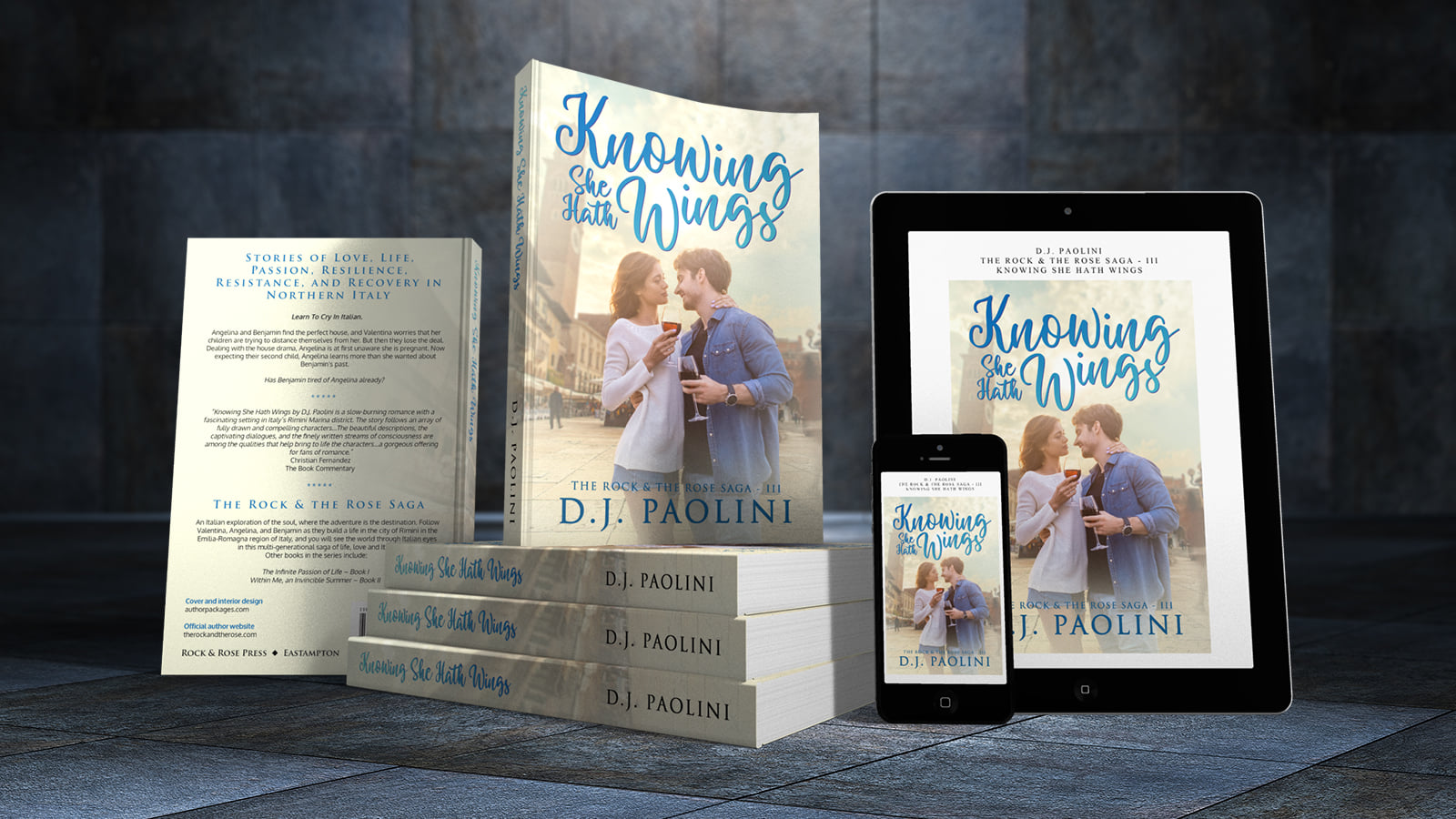
I absolutely loved reading this series of The Rock and The Rose Saga … I have just finished reading Book ll Within Me An Invincible Summer and Book lll Knowing She Hath Wings.

(My review of Book l The Infinite Passion of Life) HERE: https://frandi.wordpress.com/2020/12/29/the-infinite-passion-of-life-by-d-j-paolini-a-book-review/

I fully recommend these books to anyone who loves everything Italian, including the language. The author, D.J. Paolini, combines historical and current world events, intertwined with an intriguing multi-generational ongoing family saga. Added to the Italian family saga, Lebanon the country, and its language, heighten the intrigue around friendships, romance, and political affairs.

Coming from a Lebanese Italian family and heritage myself, along with their inherent tragedies and emotional dramas, not to mention the mixed languages, I could relate so well to all of these stories.

Read the whole series, I urge you. – Anne Frandi-Coory

*********************************

The comments below were posted here on my Blog  by Miriam Burke, NZ on page:  Lebanese Family Tree and Photos.  

**********

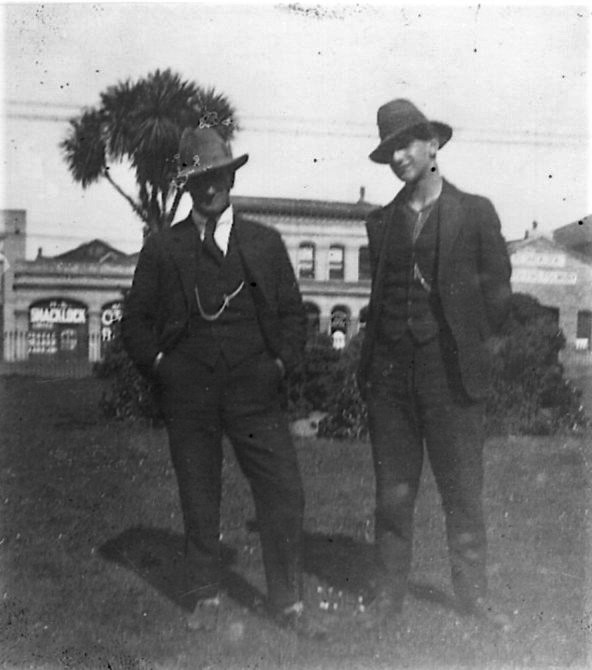
Subjects: My father, Joseph Jacob Habib Eleishah Coory, his brother Michael Patrick Coory, Patrick’s wife, Harriet and their daughter, Yvonne.

Joseph and Michael Coory 1

Brothers Joseph and Michael Coory

The book: Whatever happened To Ishtar? – A Passionate Quest to Find Answers For Generations of Defeated Mothers

Miriam Burke is Michael Patrick Coory’s granddaughter and daughter of Yvonne Coory.

**********

Dear Anne

I just wanted to post you something beautiful and I know you love it:  (Blue Danube Ballet) http://www.youtube.com/watch?v=eSulONzgewQ

Dear Miriam

How did you know about the glass case? You’ve already read my book! The ballet brought tears to my eyes. Thank you so much, Miriam xxxxx

Dear Anne

I wanted to send you something you could keep and play over and over again without it getting taken off you. Yes Anne, I rushed out and got your book and I am part way through. It has touched me so very much, I only wish you had confided in my nanna Harriet, I’m so sad to know how very bad you and your brothers were treated. I relate to the screaming and yelling; I always remember I would get scared when all of a sudden one would start arguing and the rest would jump in like a pack of hyenas attracting prey.

Did you know your dad was my most favourite great uncle? I remember Mum took me to Cherry Farm to visit him and I was so disgusted the family had put him in such an awful place. I told Mum I never want to go back. Uncle Joe was so pale and thin looking, I didn’t want to believe it was him. 😦 I remembered Tim!!!! [Joseph’s beloved dog] Oh how I loved him but when I think of Tim he was very old.

I came across your blog by accident the other day. My sister-in-law Charmaine Burke (nee Coory) Victor Coory’s adopted daughter’s brother John had passed and I was looking on the ‘net for details of his funeral. I was drawn here after names came up that I was familiar with. I’m so very pleased I found you. 🙂 xxx

Dear Miriam

OMG! you knew my dad. He and uncle Mick [Michael Coory] were very close and had similar lives until my dad [Joseph Coory] married my mother [Doreen Frandi], and The Family never forgave him. . I know that uncle Mick was staying with the Coory family at Carroll Street when your Nana Harriet was so ill and after she died. However, he was so horrified by the way the family treated uncle Henry’s children after he died, Mick moved out and stayed with your mum. I am so glad you found me. Xxxxx

Dear Anne

Who could forget Uncle Joe, I was a young girl, Anne when Uncle Joe died but he was someone in the house I felt I connected to and felt comfortable being around….he had sparkling eyes, a friendly smile and a gentle soul. See my brothers and I are out casts also on the Todd side for the stupid reason our Mother and Father got divorced. When we were small children, why did we get the feeling we had done something wrong? Even now I’ve been in touch with my Dad’s side of the family and don’t feel I fit in anywhere. They look at me as though I’m an alien…I know they see Mum when they look at me, Mum did tell me they treated her so bad even when she was married to Bryan. I’ve been blessed with her looks and she lives on in me…oh and the other wonderful thing I’ve been blessed with is my Nanna Harriet’s nature…LOL She was a bit of a rebel, could stand up for herself and a wonderful sense of humour. I remember she did tell lies though, only to keep the peace but she would laugh and giggle like a small child at every time she told one.

I remember.one day Great Aunt Georgina was yelling out to us and Nanna said to me “oh no here’s the fog-horn coming”…I started to giggle and Nanna said just say nothing and go along with me. We were staying up in Wanaka at the holiday home and Nanna and I were in the small scamper on the section. Georgina came over and asked if we had been to church? Nanna said yes of course we had, “we were sitting near the back [of the church]”. Of course we didn’t go to church that day. I wonder if they knew of Nanna’s tattoo?. A small butterfly she had on her thigh…hence my love of anything to do with butterflies. I have one hanging on my wall and when I look up at it I think of Nanna. She was too modern to be a nanna in those days…I thought she was just the coolest Nanna in the world! They both did so much for Mum and us children especially when Dad left. We were so lucky to have wonderful grandparents.

Aunt Alma who really wasn’t our Aunt was Mum’s favourite to talk to…Aunt Alma we had more to do with and visit than the house in Carroll Street in later years when Nanna was in a retirement home. Mum and I would always make sure we called into visit Alma when visiting Granddad while he was living at Carroll St. You know Anne, think of yourself as a caterpillar slowly crawling along in your youth, everything seems a struggle, you don’t feel good about  yourself, you feel like you are going  nowhere, then one day you just get so tired of your struggle you just want to curl up into a ball and sleep forever away from the world; then the moment you awake you feel different, you have grown into a colourful butterfly that can now fly above all those struggles you once had…you’re beautiful…just keep spreading those wings! xx Miriam 

**********

Read more here about Joseph in an excerpt from  Whatever Happened To Ishtar? >>>>>>>>>>>>>> My Father Joseph Jacob Habib Eleishah Coory 


10334276_293513207505781_2346531765896938995_n

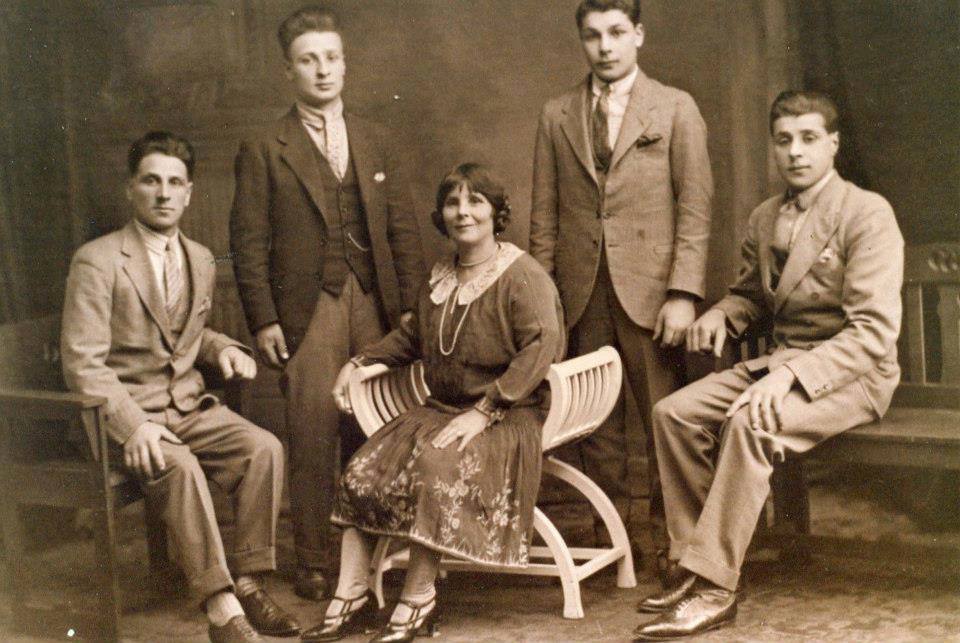
L to R: Joseph, Michael, Frederick and Philip Coory with their mother Eva Arida Coory.


Anne blog

Author Anne Frandi-Coory


In 2010 I wrote a book ‘Whatever Happened to Ishtar?’ – A memoir and family history told in two books entitled  ‘Italian Connections’  ‘Lebanese Connections’ … My Catholic childhood filled with fear, abuse, and gross neglect.

“Give me a child for seven years and I will give you the [woman]”

Anne in convent clothes

Anne Frandi-Coory at 8 years of age – just removed from Mercy Orphanage for the Poor in Dunedin


ishtar-front-cover

The theme running through the book relates to my passionate quest to find answers for generations of defeated mothers on both sides of my family tree. It’s about the brutal men in their lives, the endless pregnancies, and the women’s strict adherence to CathoIicism. In the end, the patriarchal Catholic Church betrayed their trust. Would Ishtar the Babylonian goddess have been a better role model and protector of female rights than the Virgin Mary turned out to be?

I know that in my mother’s case, if she had sought help from professionals rather than endlessly praying to her imaginary god, her life would have been far different.

I now live in Melbourne with my partner, Paul.


The Maronites in History

by Matti Moosa

*************************************
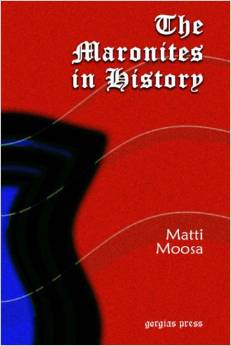
The Maronites in History

**************************************************************************************************************

I bought this very expensive book because I have always been interested in the Maronite religion of my Lebanese Grandparents, Jacob and Eva Coory. They were born and raised in the small village of Bcharre where the Maronite religion appears to have gained a strong footing around the 6th Century. There are very few books written about Lebanon’s  Maronites but I believe I have found a well written and well researched one in Moosa’s original Syracuse University Press publication The Maronites in History. Various essays on this subject can be found on many websites, but I found them to be emotive and with little basis in fact. Certainly no source documents were quoted, and most were based on hearsay passed down through generations. Still more were so badly written, it was difficult to follow the writer’s line of thought.

Matti Moosa opens the Preface of his book The Maronites in History with a question: Who are the Maronites and what is their importance to the existence of the Lebanese Republic?  This is a very good question, because so much folklore has been added to fact that it’s very difficult to know for certain. However, the author has embarked on a marathon investigation after being awarded a scholarship. He has extensively studied source documents housed in the Vatican Library as well as written testimonies from writers who lived in Lebanon from the 5th Century onwards.

The author states: In essence this book is a study and analysis of the origin of the Maronites , indeed of their whole historical heritage, an examination based on ancient and modern sources written in many languages, many of which are still in manuscript form.

Moosa goes on to explain in the preface: This book attempts to place the history of the Maronites in historical perspective. Maronites today suffer from a serious identity problem. They haven’t been able to decide whether or not they are descendants of an ancient people called the Marada  (Mardaites) or Arabs or of Syriac-Aramaic stock. Unless the Maronites solve this identity problem their conflicts with other minority religious groups in Lebanon will never be remedied. 

 Essentially, historical documents show that the Maronites originally professed the faith of Monophysitism, and later through edicts and threats of death or exile by various religious and state rulers, changed their beliefs to Monothelitism, both considered heretical by the Roman Catholic Church. Monothelitism though, is close to Catholic doctrine, so it appears the Church in Rome turned a blind eye to this heresy by Maronites for various strategic reasons which Moosa discusses at length in The Maronites. [My emphasis]

There are even disputes among Maronites and scholars over the origin of the name Maronite. The Maronite’s beloved monk St Marun and a later patriarch John Marun, have question marks over their actual existence. There is nothing in available ancient sources to indicate the name and location of the place where the ascetic Marun lived. However, the author concedes, one might be tempted, upon reading Theodoret of Cyrus, to conclude that a certain Marun lived in the vicinity of Cyrus in what was then known as Syria Prima, many miles to the north-east of Antioch. The failure to positively identify this place has caused much speculation by Maronites  as to its whereabouts. The Maronite Bishop Pierre Dib states that Marun lived on top of a mountain near Apamea  in Syria Secunda, an area far distant from Cyrus. Others claim that Marun lived in a cave near the source of the river Orontes (al-Asi) close to the Hirmil in Lebanon; they cite as evidence the name of the cave known until this day as the cave of Marun.  Other Bishops and writers state with the same certainty various other places in which the cave of Marun may have been situated.  Maronites and others cannot even agree on where or when a monastery of Marun was built but we may conclude that in Syria toward the end of the 6th or early 7th Century there existed more than one monastery bearing the name of Marun. One of them was located in or near Hama and Shayzar. It gained some notoriety in the early 7th Century when it adopted Monothelitism. The abbot of this monastery was named Yuhanna (John) and he became a Monothelite with many followers in Syria leading to the slow spread of Monothelitism into Lebanon. Those who followed him were called Maronites. Whether this monastery had any connection with the fifth century ascetic Marun is doubtful.

***************************************************

Mar-maroun-4

******************************************************

Efforts to date the Monastery of Marun from the 5th Century are sheer speculation. However, we have three documents which refer to a Monastery of Marun in Syria Secunda and all three documents attest that the monastery of Marun related to the doctrine of Monothelitism.

Commemorated on July 31st each year by the Maronite Church is the mythical massacre of 350 monks, ‘martyrs and disciples’ of the ascetic Marun. They were believed to have been slaughtered but this atrocity lacks strong historical substantiation. In fact there is no evidence that these were monks from the monastery of Marun.  Indeed, there is no mention of this in any pope’s correspondence of the times, nor is it mentioned in any Vatican or Church official documents.

There is no evidence that the Maronite Church ever commemorated these ‘martyrs’ before the year 1744. Even the Maronite Council assembled in Lebanon in 1736, which among other matters instituted the festivals and commemoration days for Maronite saints, did not list a commemoration day for these ‘martyrs’.

It is the author’s judgment following extensive research that the Maronites were and are closely linked to Syrian Orthodoxy. Probably for largely political reasons and the Roman Catholic Church’s need to gain a foothold in the Middle East, it overlooked the Maronite’s heretical interpretation of the Council of Chalcedon’s strict canons. [My emphasis]

In the Vatican’s push to gain a foothold in the Middle East, it allowed the Maronites to maintain their traditional patriarchs as head of their Church in Lebanon as they had done since the middle of the 8th Century. But in reality Rome considered them less than a Catholic bishop in status. It appears that only in the 8th Century did ancient church writers refer to the Maronites as a distinct Christian sect. [My emphasis]

Fortified for many generations in their mountain of Lebanon, the Maronites could claim more independence in their ecclesiastical affairs and therefore were and still are in a much more favourable position to revive their Syriac tradition and language. But instead of encouraging the Maronites to retain and cherish their Syriac heritage and revive the Syriac language  in order to become once more the lingua franca of the Maronite people the Latin missionaries (sent by Rome) discouraged the use of this language and denigrated the Syriac heritage and added more woe to the state of the already Arabised Maronites by Latinisng their Church and eventually their prayer books. The Maronites thus almost completely lost their Syriac identity. Since the 16th Century instead of taking pride in their Syriac legacy, the Maronites,in their desperation to find a legitimate origin of their Church and people have claimed that they were the descendants of  Marada (Mardaites) which is historically groundless.

Like the Nestorians the Rum (Byzantine) Orthodox, and the Syrian Orthodox People, the Maronites are of Syriac-Aramaic origin. The Lebanese Council of 1736 emphasised the use of the Syriac language first and Arabic second in the Maronite Church services. But this emphasis was not intended nor did it contribute to the revival of the Syriac language as the national symbol of the Church. Perhaps if the Lebanese Council’s recommendations had been followed, Lebanon may not be suffering the loss of identity it’s suffering from today. The least one can say for certainty is that the names of the villages and towns of Lebanon, especially Bcharre and three neighbouring villages, used the Syriac-Aramaic language as their lingua franca.

At the end of the 16th Century Maronite Patriarchs have often interfered in Lebanon’s political affairs in the belief that they were more than just the head of their Church. This has often exacerbated sectarian rivalries.

Many Maronites maintain vigorously that they have always adhered to the faith of Chalcedon and that their Church has never deviated therefrom; they were always united with the Church of Rome.

Moosa’s  research uncovers documents that clearly refute this argument. It indicates that until the 16th century the Maronites did not separate clearly and decisively from the mother Syrian Orthodox church in its beliefs, rituals and traditions. In fact, according to the calendar of festivals of the Maronite Church, whether in manuscript form or published in Rome since the 16th Century, it shares certain commemorative dates with the Syrian Orthodox Church.

Monophysitism: One incarnate nature of the divine logos – a doctrine which the Syrian Orthodox Church of Antioch has maintained to the present day and which ancient Maronite Syriac-Aramaic ritual and prayer books prove was also the doctrine held by the early Maronites.

Monthelitism: The Incarnation of two natures of Christ, the divine and the human, were united in one will and one energy – Until the late 16th Century Maronite ritual books contained this doctrine, at which time they were ‘purged’ by missionaries from the Roman Catholic Church to restore the Maronites to its fold. 

Catholicism (Chalcedonian): The Incarnation of the two natures of  Christ, the divine and the human, were united in one person yet  remained distinct after the union

Orthodox liturgies, prayer books and prayers themselves also caused friction between the Church of Rome and the Syrian Orthodox Church, which Moosa writes about in detail.

 Moosa sums up:

Several conclusions may be deduced from the foregoing opinions and speculations. The evidence addressed by Maronites and those who support their claims that there existed in the 5th Century in Syria Secunda a Monastery of Marun whose monks were Chalcedonians [followers of Catholicism] is untenable. Maronites (and others) cannot even agree who built the monastery of Marun or its exact location. Most of the evidence they do produce has no historical foundation. Historical fact does indicate , however, that there were several monasteries named Marun in Syria, but not that they were named after the particular ascetic Marun. More important, available evidence does not support that there was a Maronite community in Syria before the 7th or even 8th Century. While historical evidence does support the thesis that the pious anchorite named Marun lived, died, and was buried in the district of Cyrus in northern Syria, there is nothing to indicate that this Marun ever founded a religious community or inspired the name Maronite. Further, there is no evidence that he or his followers ever built a monastery in his name. Those Maronites who describe their ascetic Marun as ‘the Father of the Maronite Nation’ do so from the totally sentimental predisposition rather than assert it as a claim derived from objective fact.

Doctrines found in ancient books reveal that Maronites were of the Syrian Orthodox faith who believed in the Monophysite doctrine before they became a distinct community:

From the time of the Council of the Chalcedon in 451 to the first half of the 7th Century the first Maronites –the monks of the Monastery of Marun – became Monothelites by imposition of Emperor Heraclius. The statement is clear and positive on the point that these Maronite monks had been Monophysites (Syrian Orthodox), and though the heated controversy over the mode of the union of the two natures of Christ was finally thought to have been resolved by the Council of Chalcedon, the monks of the Monastery of Marun were recalcitrant in accepting the Council’s transactions. This recalcitrance was exhibited in anger and defiance on the part of these Monophysite monks who, like the majority of the Church in Syria, renounced the Council of Chalcedon and the definition of the faith. They remained Monophysites until the beginning of the 7th Century when they became Monothelites under the Chalcedonian formula of faith imposed on them by Emperor Heraclius in the interests of religious harmony. Though appearing to accept this faith through coercion the monks remained faithful to their Monophysite faith, which they kept intact in their ritual books. Subsequently the new creed of Monothelitism did not separate them drastically from the bulk of the Syrian Orthodox Monophysites. The point of separation was their apparent acceptance of the Council of Chalcedon under imposition of imperial power. It is through this acceptance of Chalcedon and of Monothelitism  as a doctrine that they became a distinct religious group in the middle of the 8th Century and not before.

This is a mammoth scholarly work by Matti Moosa with full bibliography and notes.

Arab, Byzantine, Ottoman and French states all played their part in the formation and divisions of Lebanon as we know it today. You will have to read this impressive work to fully comprehend 21st Century Lebanon. I can assure you, it is riveting reading. Moosa separates Maronite historical fact from fiction in a format and style that is very easy to read and follow, even allowing for the few minor grammatical and typographical errors.

© To Anne Frandi-Coory All Rights Reserved. Follow my blog: frandi.blog


>

OLYMPUS DIGITAL CAMERA

Jacob’s Bridge Across Time

*****

Painting and Poem Jacob’s Bridge Across Time Copyright To Anne Frandi-Coory –

All rights reserved  27 March 2013  –

Painting acrylic on canvas 60cm x 91cm

*****

The poem Jacob’s Bridge Across Time was published in: The Australia Times Poetry Magazine, Volume 4, Issue 24.

32

Granddad, oh how could you leave
before I had time to question?
A child I was too young to grieve;
where have you been, what have you done?

Oh yes, your diary I have read
how you travelled and how you learned.
But there’s so very much left unsaid
from your own lips I long to hear

Along countless streets you have walked
in this fair country and in that.
To many people you have talked
alas, not to the woman I’ve become.

Across vast oceans you have sailed
such a brave soul to take on such.
Through hardships and illness you’ve prevailed
and gave me life through your son

So many if onlys I have in mind
of what we could have discussed.
I’m so sure, granddad, we’re of a kind
kindred spirits still in touch


A bright future you handed down to us
leaving Lebanon’s snowy mountains
where cedars hug like green cumulus
your little village nestled safely within.

Fat grapes clinging to their vine
olive trees abundantly grow there.
For that fertile crescent did you pine
and the family you left behind.

I see you walking across the bridge of time
and I imagine we’re holding hands
what a journey that would have been
sharing together, life’s shifting sands

********

Hi, happy to discover your blog. Just read your poem, ‘Jacob’s Bridge Across Time’…a wonderful tribute it is.   Greetings from India… 🙂  Maniparna Sengupta Marjumder 

Dedicated to my Lebanese grandfather, Jacob Habib El Khouri Eleishah Fahkrey (Coory) as I remember him:

jacob-coory-fb-2

**********

Also published in DRAGONS, DESERTS and DREAMS  in 2017 : Read reviews Here

Available here at AMAZON in Kindle e book or paperback  

<><><><><><><><><><><><><><

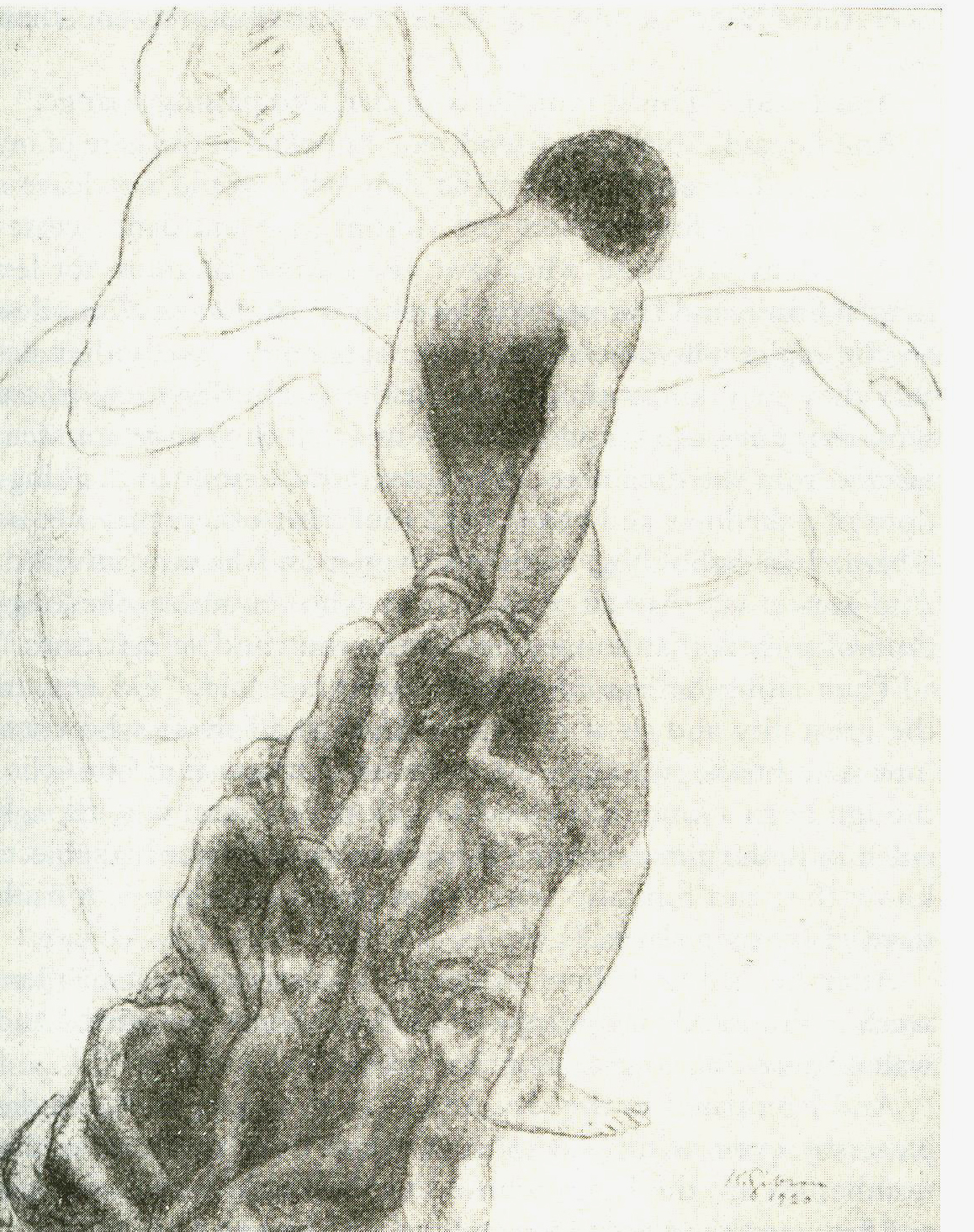
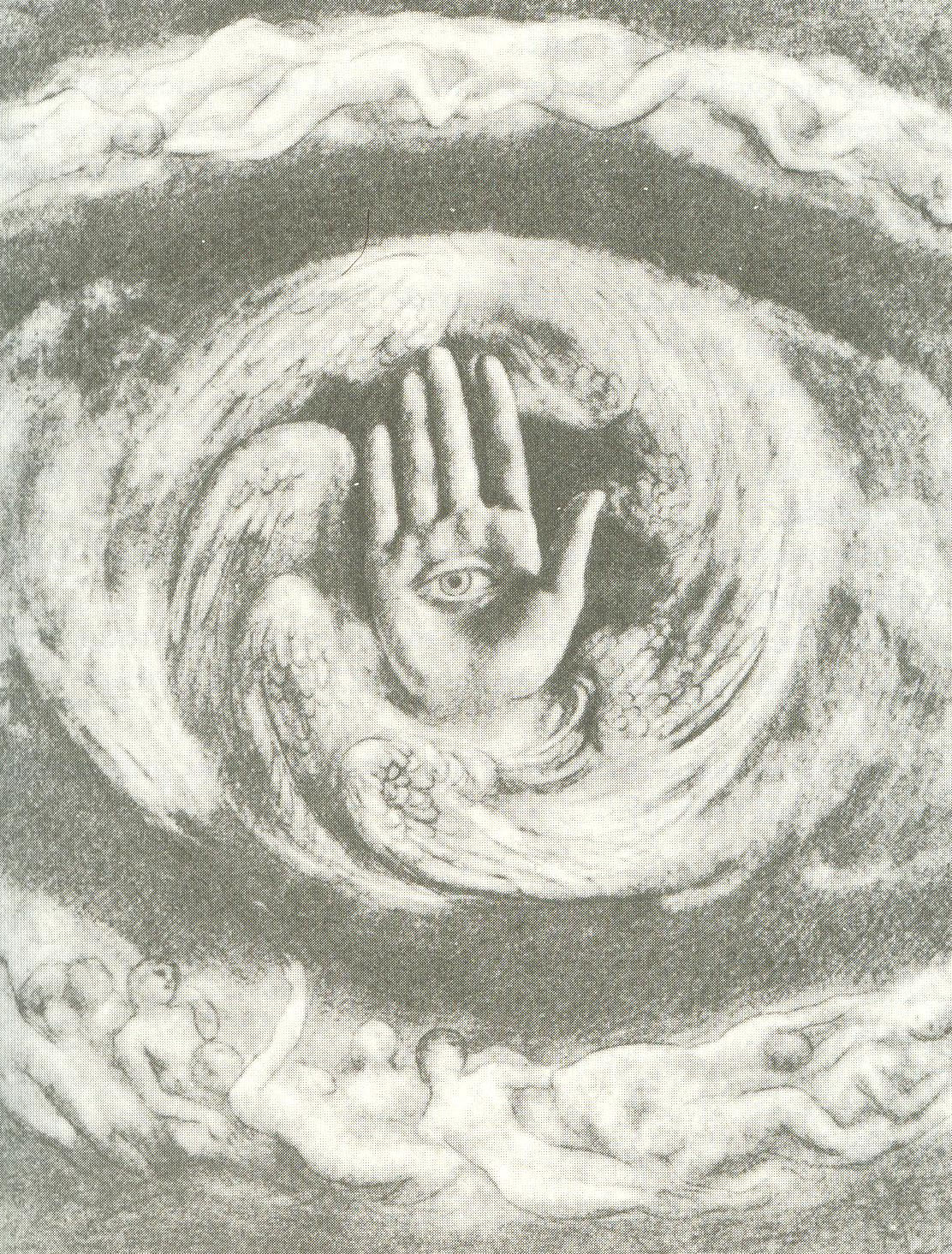
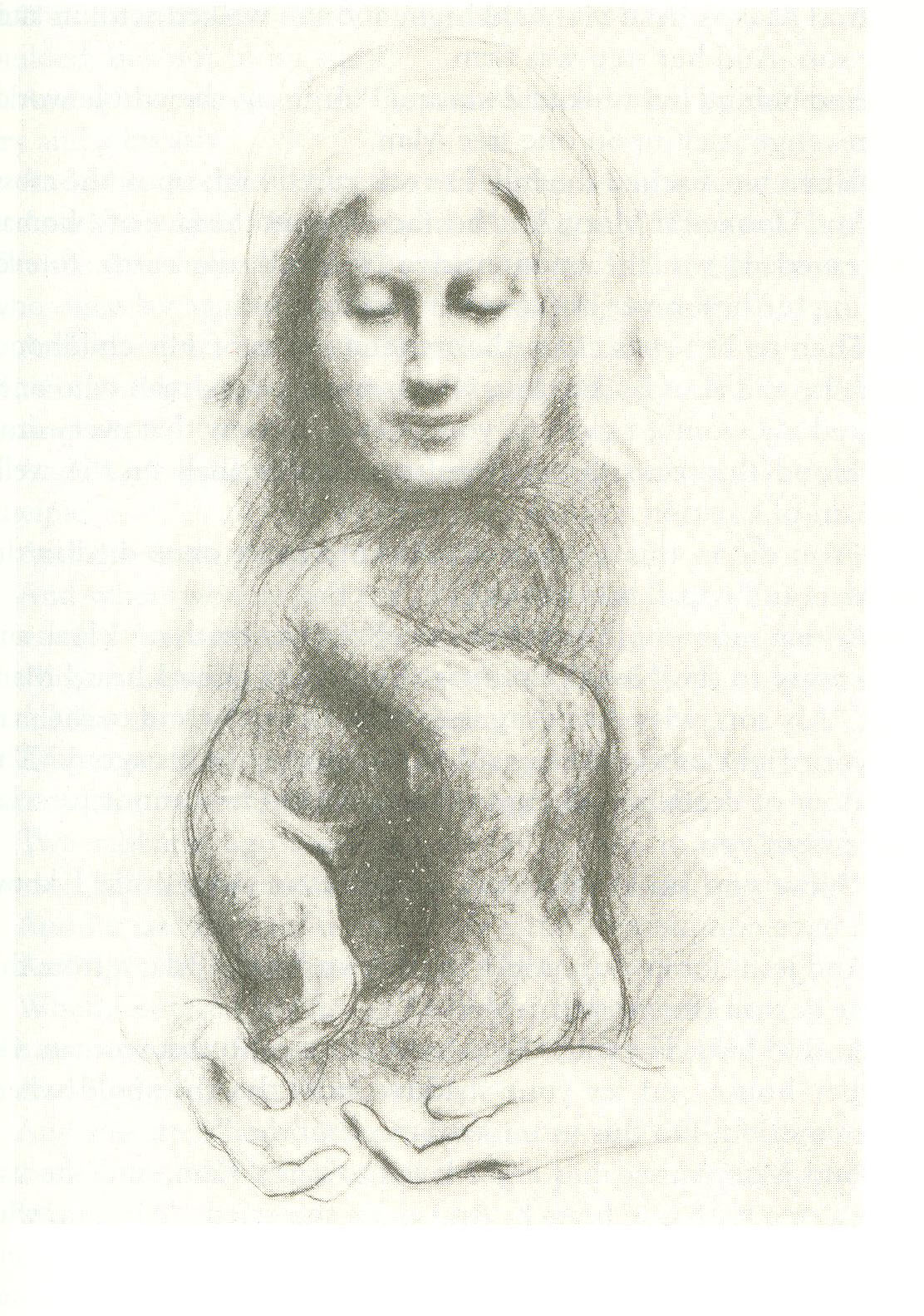
Sketches by Khalil Gibran, Lebanon’s most famous poet

********

download

“… …..But you should also be proud that your mothers and fathers came from a land upon which God laid his gracious hand and raised his messengers.” –

Khalil Gibran  I believe in you (1926)

Gibran 2

<><><

My house says to me, ‘Do not leave me, for here dwells your past.’ And the road says to me, ‘Come and follow me, for I am your future.’ And I say to both my house and the road, I have no past, nor have I a future. If I stay here, there is a going in my staying; and if I go there is a staying in my going. Only love and death change all things.- Khalil Gibran

*************************

Kahlil G

><><><

kahlil gibran 001

><><><

Poetry is not an opinion expressed. It is a song that rises from a bleeding wound or a smiling mouth.” – Khalil Gibran

Dedicated to all the poets and writers in the Middle East who have been murdered in their peaceful pursuit of freedom for their country.

MORE HERE … 

Pity The Nation Of Lebanon…. ……..my tribute to Khalil Gibran……

download

Khalil Gibran

Even Khalil Gibran, Lebanon’s most famous poet, understood his country’s multiple personalities.

****************************************

Khalil Gibran

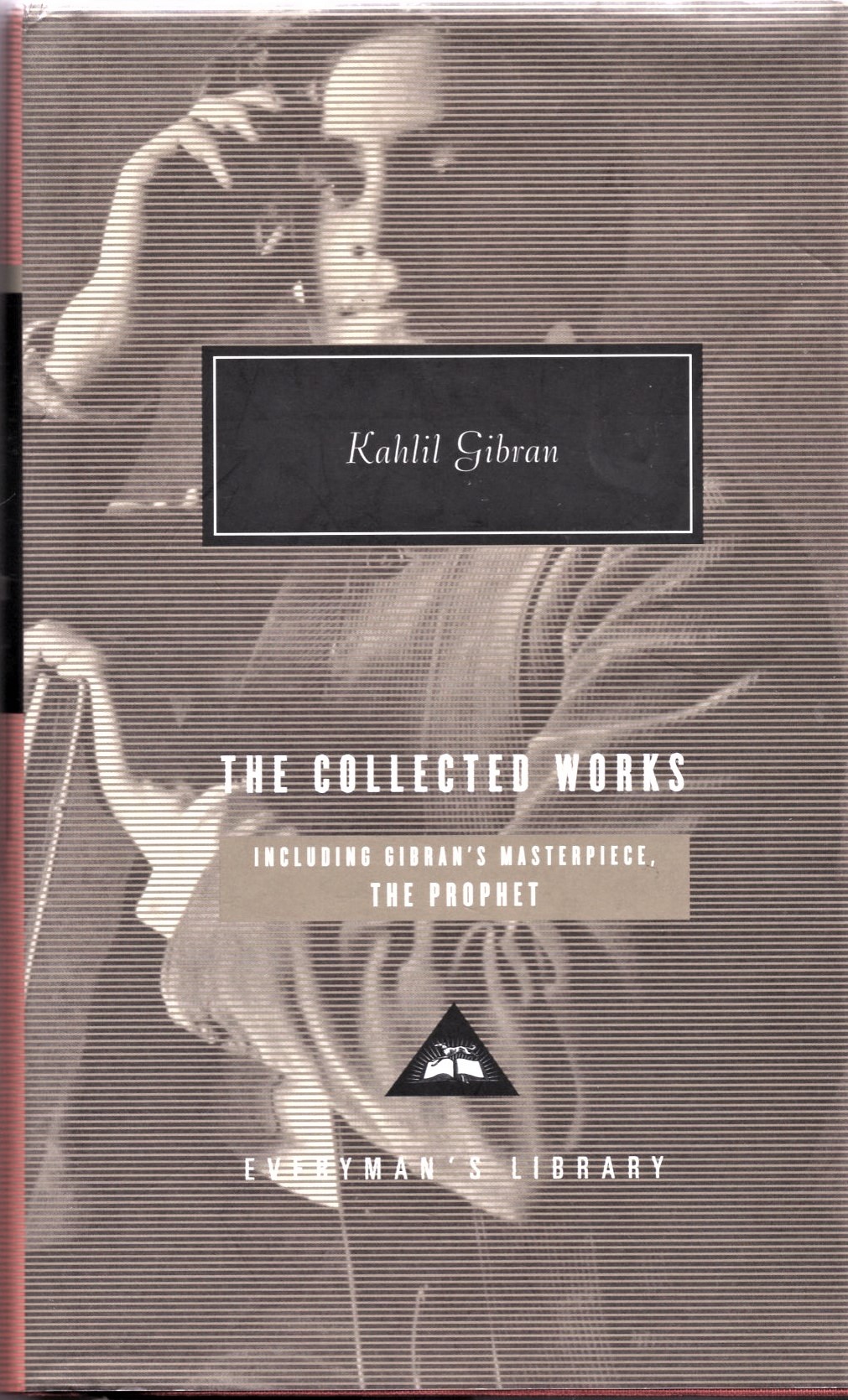
                                                  One of my favourite books in my home library.

(Unfortunately ‘Khalil’ has been misspelt on the book cover)

**********************************************

The following is a short story and poem taken from:

Khalil Gibran, The Garden of the Prophet (written 1934)

***********************

Sketch by Khalil Gibran

And Almustafa came and found the Garden of his mother and his father, and he entered in and closed the gate that no man might come after him.

And for forty days and forty nights he dwelt alone in that house and that Garden, and none came, not unto the gate, for it was closed, and all the people knew that he would be alone.

And when the forty days and forty nights were ended, Almustafa opened the gate that they might come in.

And there came nine men to be with him in the Garden; three mariners from his  ship; three who had served in the Temple; and three who had been his comrades in play when they were but children together. And these were his disciples.

And on the morning his disciples sat around him, and there were distances and remembrances in his eyes. And that disciple who was called Hafiz, said unto him: “Master, tell us of the city of Orphalese, and of that land wherein you tarried those twelve years.”

And Almustafa was silent and looked away toward the hills and toward the vast ether, and there was a battle in his silence.

Then he said:

My friends and my road-fellows

Pity the nation that is full of beliefs and empty of religion,

Pity the nation that wears a cloth it does not weave, eats a bread it does not harvest,

And drinks a wine that flows not from its own wine press.

Pity the nation that acclaims the bully as hero, and that deems the glittering conqueror bountiful.

Pity the nation that despises a passion in its dream, yet submits in its awakening.

Pity the nation that raises not its voice save when it walks in a funeral, boasts not except among its ruins, and will rebel not save when its neck is laid between the sword and the block.

Pity the nation whose statesman is a fox, whose philosopher is a juggler, and whose art is the art of patching and mimicking.

Pity the nation that welcomes its new ruler with trumpetings and farewells him with hootings, only to welcome another with trumpetings again.

Pity the nation whose sages are dumb with years and whose strong men are yet in the cradle.

Pity the nation divided into fragments, each fragment deeming itself a nation.

***********************************

Sketches by Khalil Gibran, Lebanon’s most famous poet HERE

***************************************

Anne Frandi-Coory’s  Lebanese Family tree and photos HERE: