Archive

Tag Archives: Whatever Happened to Ishtar?

Excerpt from ‘Whatever Happened To Ishtar?; A Passionate Quest To Find Answers For Generations Of Defeated Mothers’ 

><

Wherefore hidest thou thy face?…Wilt thou harass a driven leaf?    Job xiii: 24-25

….But you should also be proud that your mothers and fathers came from a land upon which God laid his gracious hand and raised his messengers.  – Kahlil Gibran, I believe in you (1926)

><

***This page is copyright to author Anne Frandi-Coory. No text or photograph can be copied or downloaded from this page without the written permission of Anne Frandi-Coory.***

><><

When I was a child, my father’s was the face I searched for whenever I heard heavy, non-nun-like footsteps echoing on the highly polished floors of the orphanage. I was always and forever tuned into the sound of footsteps. A nun’s footsteps sounded lighter, stress-free, and somehow patient, like they themselves were.  It was as if they had all the time in the world to get where they were going, praying as they went.

Once I was alerted that a nun was on her way, I would strain my ears for the accompanying rhythm, in tune with a particular nun’s footsteps, of the rosary beads clinking with the heavy crucifix hanging from a belt around her waist. I would know who she was before I saw her face. A visitor’s footsteps, on the other hand, were usually more purposeful, more intent on their course. Perhaps it was someone wishing to get the visit over with, to leave as quickly as possible. The fact that there were many children living there didn’t make the place any less sombre. Colours were an unnecessary luxury. ‘Interior décor’ was a phrase out of place and out of mind in that institution. My father, Joseph Jacob Habib Eleishah Coory, rarely visited me and I learned very early on not to expect to see anyone other than the Sisters of Mercy, day in and day out. Occasionally, a priest would visit the orphanage but I rarely had any significant contact with them. They were, as far as my child’s mind could fathom, so close to God and so holy that they would not want to bother with me. The nuns reinforced this perception by their subservient attitude whenever a priest or bishop made an entrance. But when my father came to visit me, I would feel a strange kind of comfort, almost a feeling of surprise, at the sight of him.

*****
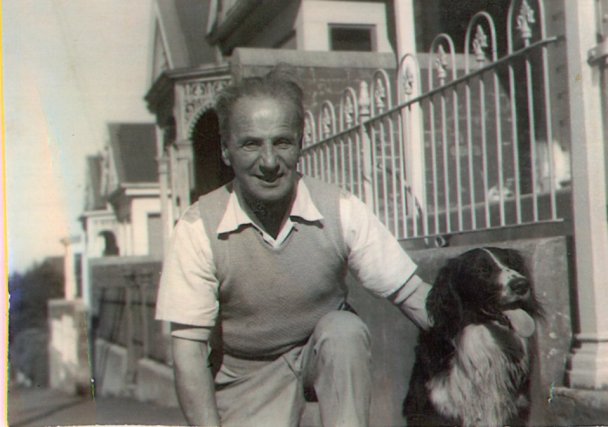
Joseph and Tim 103 Maitland St Dunedin

Anne’s father, Joseph Coory with his beloved dog Tim, outside his house at 103 Maitland Street, Dunedin NZ.

All through my childhood, I would reach out for his emotional support. and in his emotional immaturity, he would reach out for mine. As young as I was, I always sensed that he needed me as much as I needed him. In this way, we both survived my childhood. Perhaps it was my concern for him and his whereabouts when he left me that caused me so much anxiety. He could never stay for long and his leaving always caused my insides to churn, which I never really learned to deal with. A Catholic orphanage  was not the sort of place where your emotional needs were attended to. The most important thing here was the health of your soul. My father always seemed harassed and a bit lost, so eventually I avoided scenes of tears because it would only upset him. I had no idea what was happening to my father on the outside of the orphanage but it didn’t stop me from picking up on his moods and demeanour. Children like me become very adept at internalising emotions and hurts. But there were times when the dam burst, causing me to scream and yell so much that the nuns would lose their patience and lock me in a cupboard or a small room. There was always that air of emotional fragility about Joseph, my very being attuned and attentive to his every nuance. Too soon I would become the adult and he the child. Perhaps this was why I took so long to deal with my own emotional needs.

><

Joseph with his oldest & youngest sisters, Elizabeth & Pearl

><

Jacob and Eva Coory’s firstborn son, Joseph, followed two daughters, Elizabeth and Amelia. But sadly Joseph was not the healthy son his parents longed for. His sickly entry into the world was one of the reasons he suffered ill-health all of his life. According to his father’s diary, written in his native Aramaic, Joseph almost died when he was a newborn. He was so ill during his first two years that his mother wrapped him warmly and tightly and waited for him to die. Joseph suffered ill thrift all through his baby and toddler years because he could only suck small amounts of milk, sometimes bread soaked in milk. I was later to discover that Joseph’s birth had never been registered so there is no doubt that his parents expected that he would die. From his childhood to his death, he never ate a balanced diet, ever. He existed instead on bread and cheese, some fruit, and endless cups of sweet milky tea.  He was a simple man who attained the literacy levels only of a twelve-year-old. But he could speak English and Aramaic fluently. He left school at the age of nine and refused to return because of the beatings he says were meted out to him by the Christian Brothers. As a young boy he only spoke comfortably in Aramaic, so language was definitely a barrier to his learning. It has been confirmed by his cousins that his parents refrained from disciplining him because of his fragile health and that he, quite literally, got away with doing almost whatever he wanted to do at home. He in turn clung to them for the rest of their lives and he never left The Family home at 67 Carroll Street in Dunedin, where he was born.
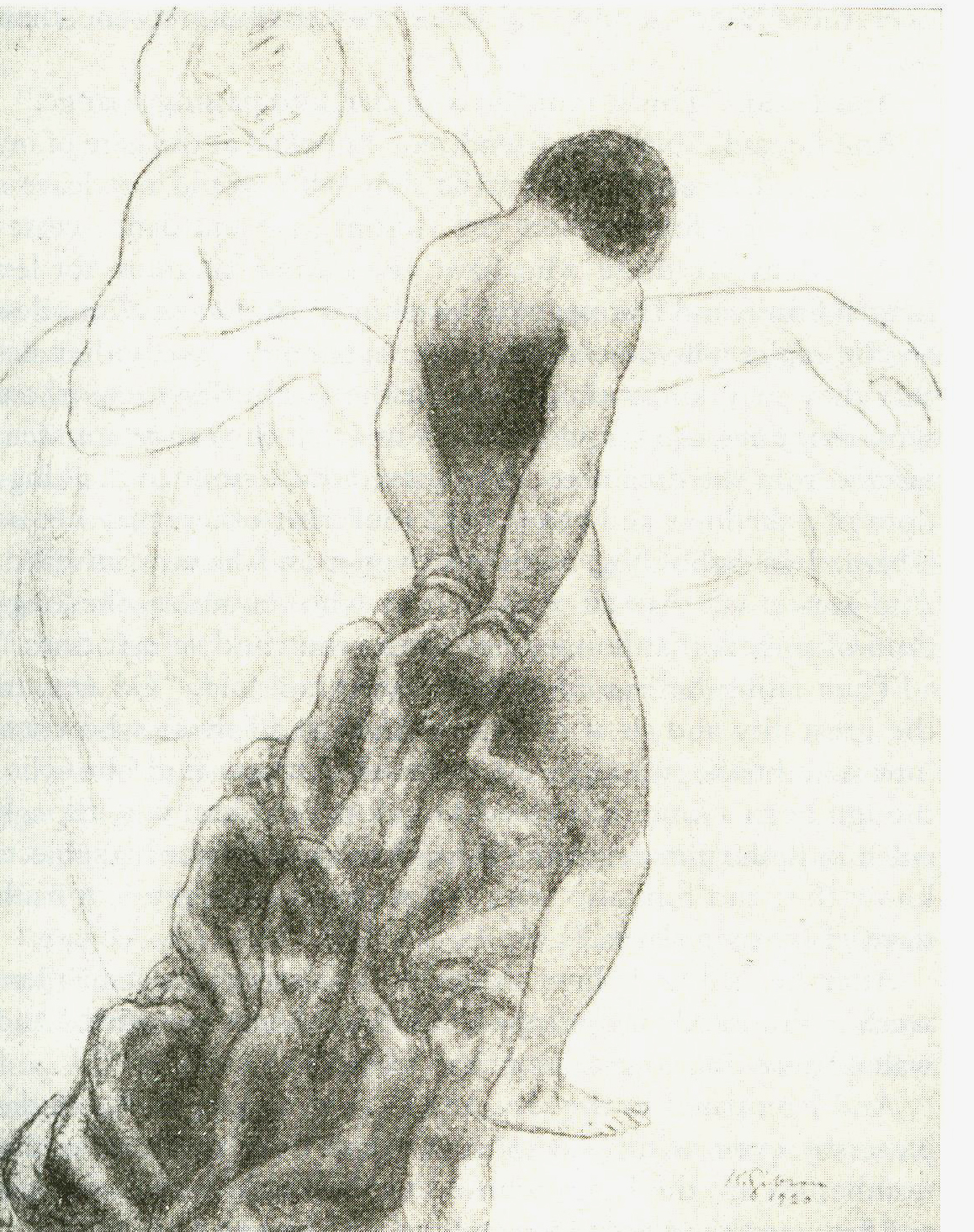
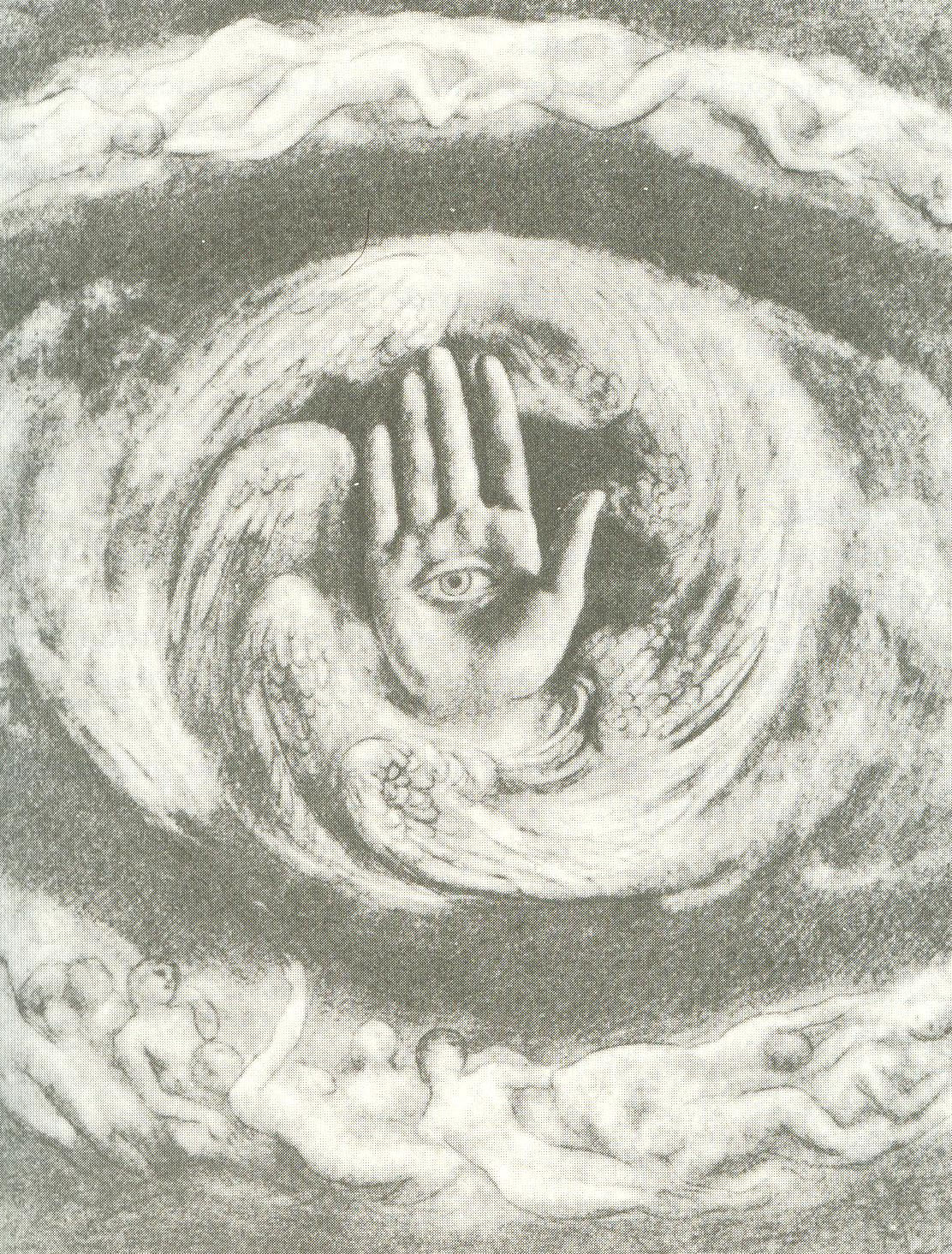
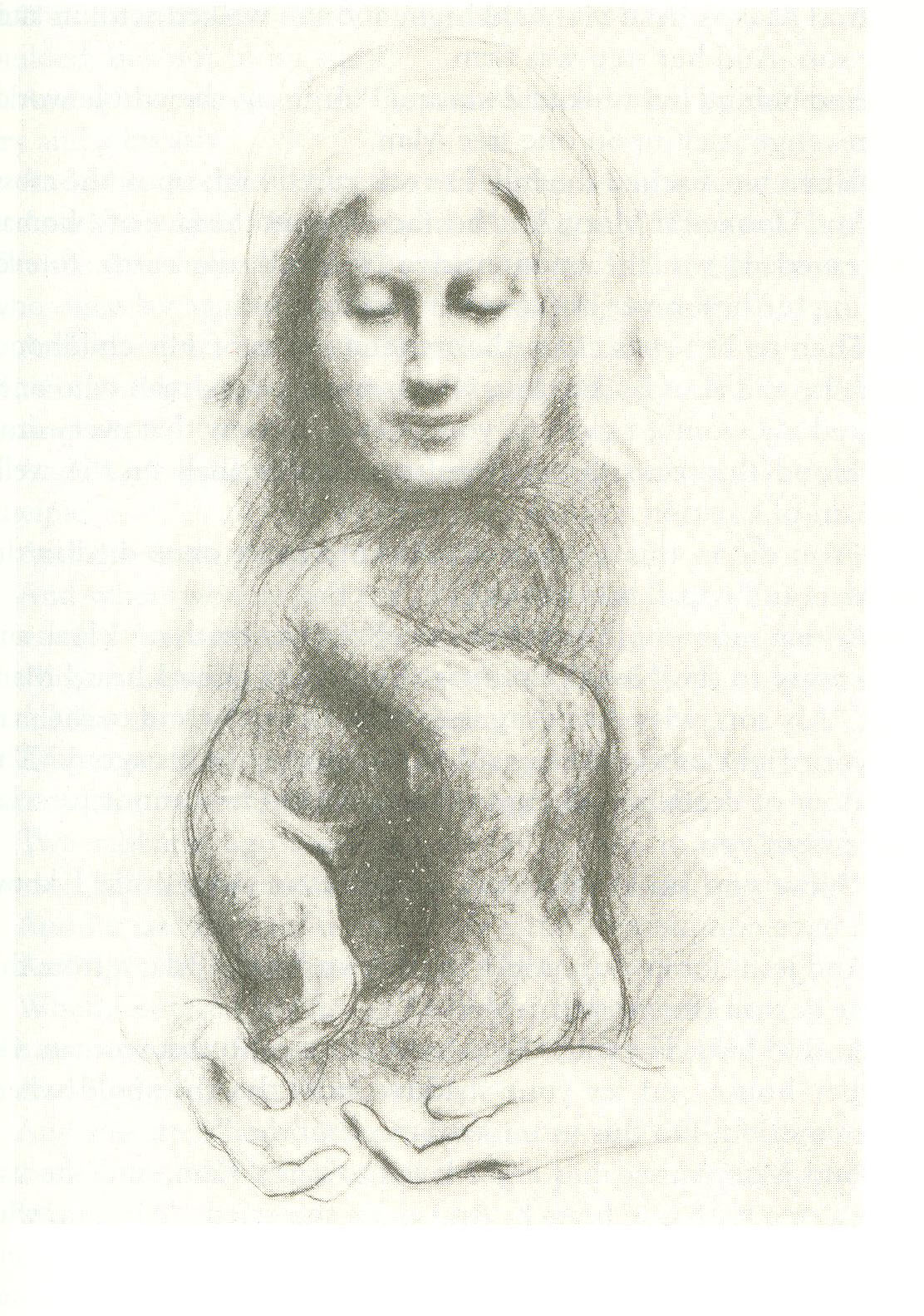
Sketches by Khalil Gibran, Lebanon’s most famous poet

********

download

“… …..But you should also be proud that your mothers and fathers came from a land upon which God laid his gracious hand and raised his messengers.” –

Khalil Gibran  I believe in you (1926)

Gibran 2

<><><

My house says to me, ‘Do not leave me, for here dwells your past.’ And the road says to me, ‘Come and follow me, for I am your future.’ And I say to both my house and the road, I have no past, nor have I a future. If I stay here, there is a going in my staying; and if I go there is a staying in my going. Only love and death change all things.- Khalil Gibran

*************************

Kahlil G

><><><

kahlil gibran 001

><><><

Poetry is not an opinion expressed. It is a song that rises from a bleeding wound or a smiling mouth.” – Khalil Gibran

Dedicated to all the poets and writers in the Middle East who have been murdered in their peaceful pursuit of freedom for their country.

MORE HERE … 

Pity The Nation Of Lebanon…. ……..my tribute to Khalil Gibran……

Goddess Ishtar (Esther)

><

Song of Ishtar – Descent to the Goddess

Me the woman he has filled with dismay

Has filled me the queen of heaven

with consternation…

I, the woman who circles the land-

Tell me where is my house,

Tell me where is the city in which I may live…

I, who am your daughter…The heirodule,

who am your bridesmaid

Tell me where is my house…The bird has its nesting place

But I – my young are dispersed

The fish lies in calm waters,

but I – my resting place exists not,

The dog kneels at the threshold, But I – I have no threshold…

– Ancient Anon.

**************************

Eventually statues of Ishtar, Mesopotamian goddess, along with other pagan goddesses, would be taken from her grottos and replaced with statues of the Virgin Mary. The ramifications for women would be nothing less than catastrophic.

More here about Goddess Ishtar 

See post here:  Catholic Dichotomy of the Female

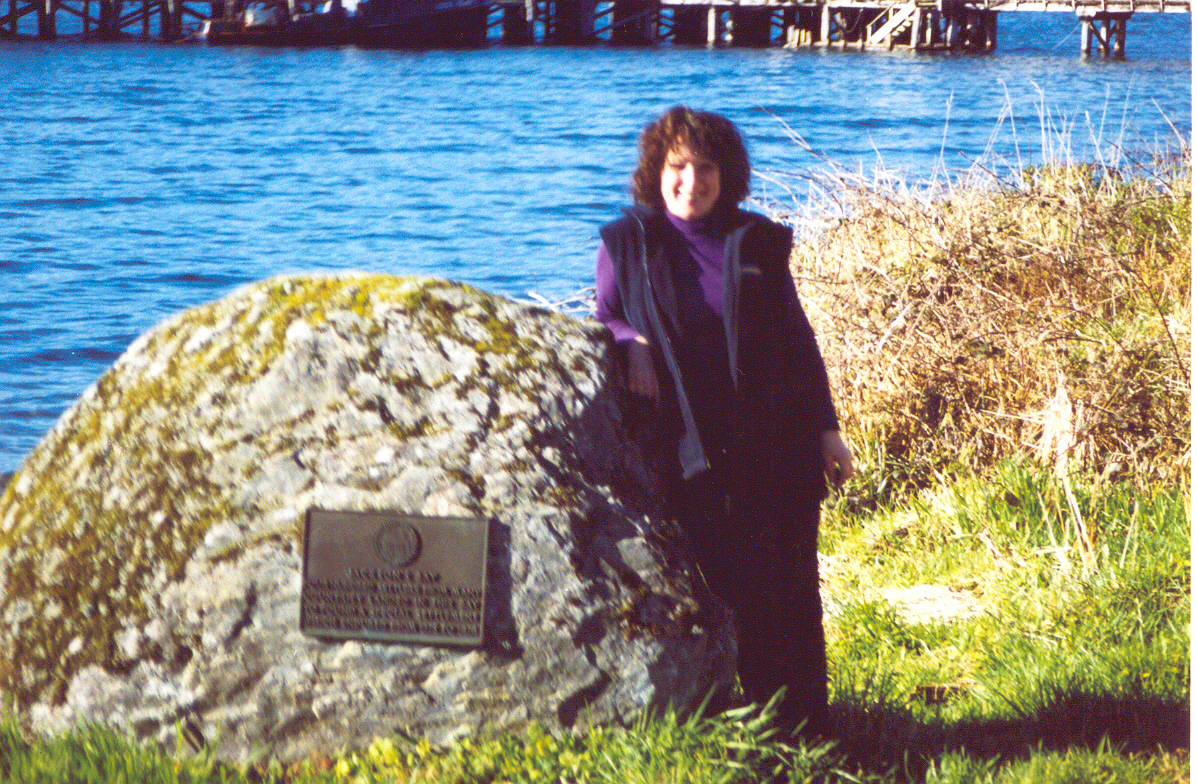
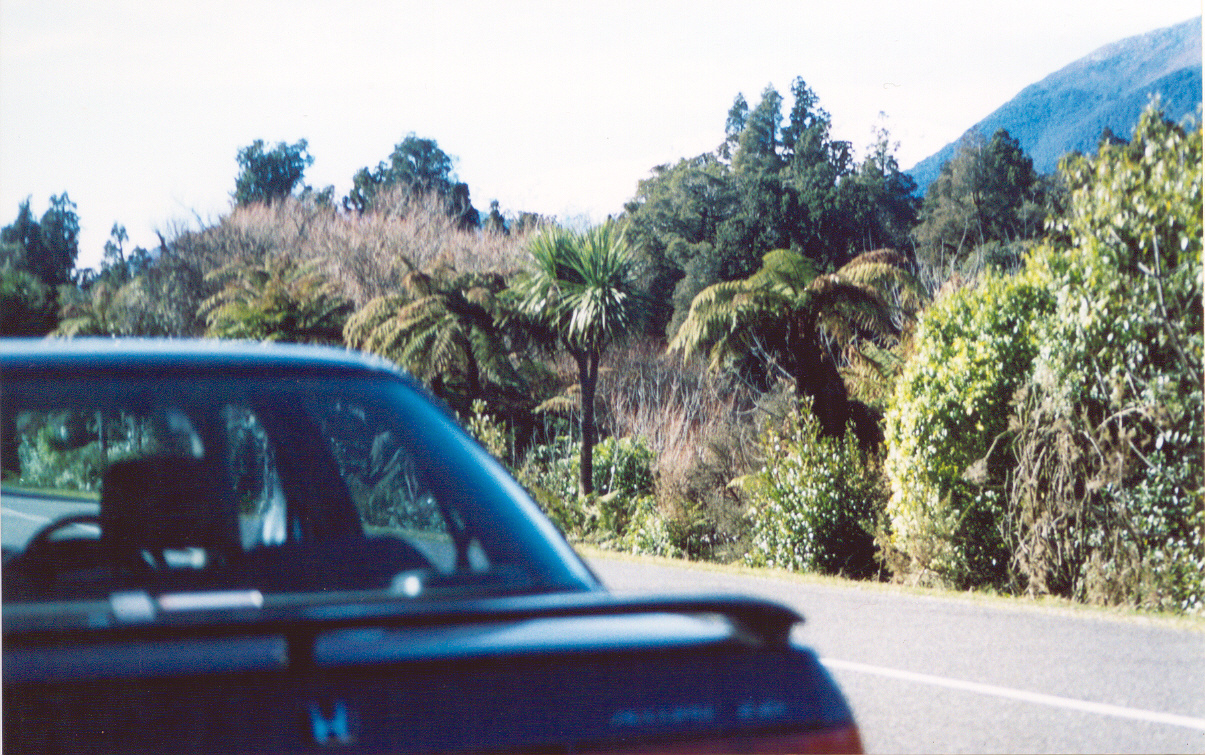
Author beside memorial to the Italians who landed at Jackson Bay, Westland, NZ in 1877 (2003)

>< ***This page, including text, map and photos is © copyright to author Anne Frandi-Coory All Rights Reserved 26 October 2011 and must not be copied in any shape or form without the written permission of the author.

*** ><

Please see here following posts for more information, on the triumphs & tragedies of the Frandi family: ‘WHATEVER HAPPENED TO ISHTAR? – A Passionate Quest to Find Answers for Generations of Defeated Mothers’   ***15+  Reviews***

><><>><

For more information on Grego and Frandi families:

  ‘ITALIAN FAMILY TREES AND PHOTOS’

>< ><

Aristodemo & Annunziata with their seven children (c. 1900).

L to R: Antonio, Enrico (Henry), Francesco, Italia, Ateo, Italo, Aristodemo, Annunziata and Anne Frandi-Coory’s grandfather, Alfredo, seated on rug at front. c.1900

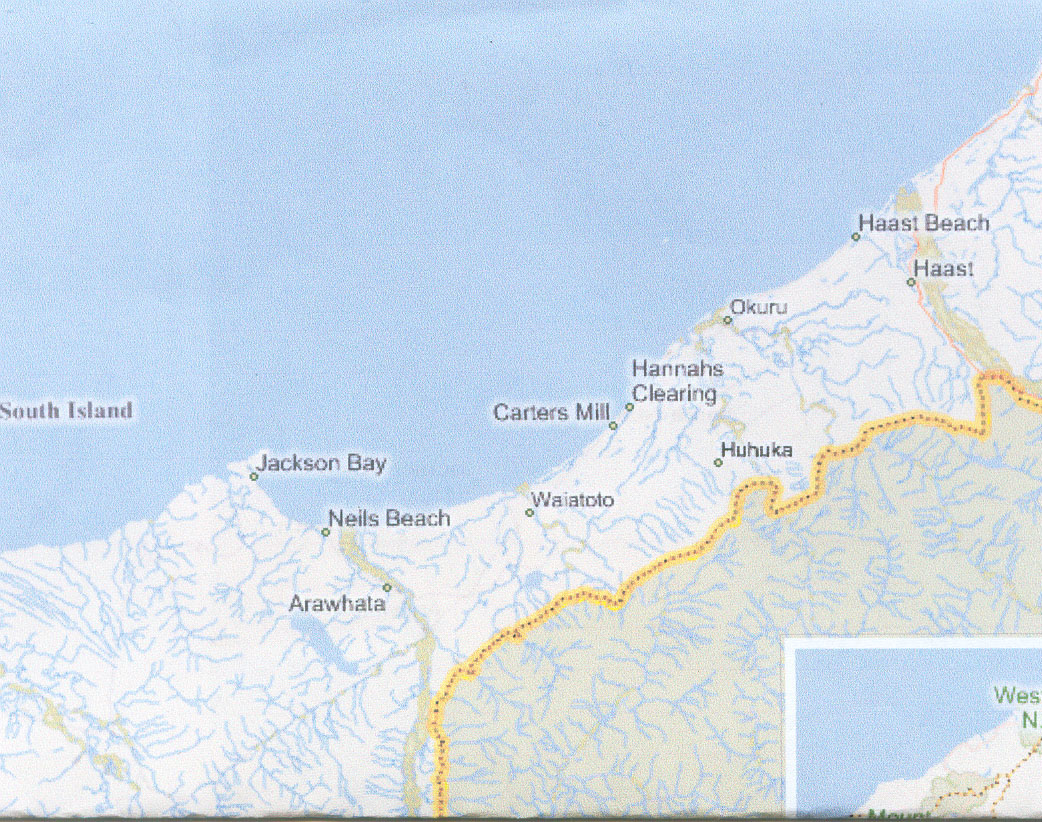
>< Aristodemo and Annunziata, with their three Italian born children, Francesco, Italia, and Ateo,   left Livorno on the Toscano Coast, Italy on the 15th December 1875  in the  SS Gutenberg and arrived in Wellington on 23rd March 1876. The family eventually docked at Jackson Bay, Westland, New Zealand in 1877, and travelled on foot, crossing two rivers, to begin a new life at the settlement at Okuru.  The promise of 10 acres of free land to grow grapes and other crops came to nothing; the land was a barren swamp then, and still is today.  There were no doctors, no school; hunger was common among families. Letters from the settlers to a Westland newspaper paint a graphic picture of the hardships of, not only the Italian families, but those of other nationalities as well.  The settlement was a complete failure.  Some of those letters are published in my book  Whatever Happened To Ishtar?

><><><><><

As we came into Okuru in 2003, there before us was an awesome sight: a vast desolate sandy swamp, where the Frandi family lived for three years. An emotional confrontation. Trees still fighting for survival, bowing low before the Great Coastal Wind.  How could Duncan McFarlane, New Zealand Government agent ever believe grapes and vegetables could  be harvested in such a god forsaken place. ><

The journey from the landing at Jackson Bay to the new settlement at Okuru; made on foot, and crossing two rivers, by the Frandi family; parents and three children, including a toddler, with all of their possessions (click on map to enlarge)

><

scan0006

Jackson Bay. Photo: afcoory 2003

><

Land Frandis were given as Settlers 1870's

Desolate Okuru. Photo: afcoory 2003

another view of swampland at jacksons Bay

Another view of the swamp land at Okuru Bay. Photo: afcoory 2003

><

>< Graves of children and adults buried near Jacksons Bay 1870's

>>>>>>>>>>>>>>>>>>>>>>>>>>>>>>>>>>>>>>>>>>>>>>>>>>>>>>>>>>>>>>>>>>>>>>>>>>>>>>>>>>>>>>>>>>>>>>>>>>>>>>>>

Above: Bush cemetery near Jackson Bay where the settlers’ babies and children are buried (Photo afcoory 2003) The Graveyard in the Bush – a section of a poem by Dinnie Nolan, descendant of another Okuru settler:

……………………

The place is a wayback countryside,

Just after the golden rush,

The scene is a little graveyard, a clearing in the bush.

The settlers they attended there on sad and mournful days.

I attended on those solemn days, then a little child I’d be

But outlines of those happenings, they still come back to me.

It was sad to view bereaved ones, but the sympathy was kind

And it left a great impression on my little childish mind.

Each time a soul departed the settlers felt they must

Assemble there, one and all, at that graveyard in the bush.

 ……….

The widower, he’s standing there, his little babe’s at home

It shall never now know its mother’s care, for the mother she has gone.

With grief he’s quite distracted, I heard him cry and rave

I saw stout men lay hands on him and drag him from the grave.

Another time a mother, she had lost a loving son

The rest had gone and left her, he was then the only one.

I don’t like to tell the story, it might make you sad and fret

But the passing at the graveside, I shall never more forget.

……………….

Many more were buried there in those pioneering days

I recall the lovely flowers that flourished near the graves.

All enclosed with wooden railings as neat as it could be

Seemed like a little paradise in its plain simplicity.

I returned there long years after, I was then an aged man

The place was quite deserted, all settlement was gone.

There in my seclusion old memories on me rushed

And my first impulse it was to seek that graveyard in the bush.

………………………………..

I feel that I should tell you what I gazed upon

The tangled scrub, it towered above, and the clearing all was gone.

And those crude wooden crosses which as a child I’d seen

Were buried ’neath that tangled mass, and oblivion reigned supreme.

I tried to force an entrance to locate the place

But blackberry it barred the way, and tore my hands and face.

I sat there sad and lonely, and I could not help ref lect

Is this remembrance after life, is this what we might expect.

When our span of life has ended, our voice forever hushed,

Will we lapse into oblivion in some graveyard in the bush?

-Dinnie Nolan

>< ><><><>><><><><><><><><><
We visited this lonely graveyard in 2003,  where souls have finally found peace.   Dappled light sneaked through the overgrown foliage, where I felt I could lie down upon the dried leaves and rest comfortably. Such quietness and solitude!  Graves of stone circles, wrought iron rails, headstones, wooden engraved crosses, stacks of stones, many wooden markers rotting away… A selection of  inscriptions read:

Murdoch McPherson, died 1884 aged one year.

Janet Smith, died 1899 aged 56 years.

In memory of James Heveldt, born 4 July 1881 died 31 July 1901.

William Burmeister.

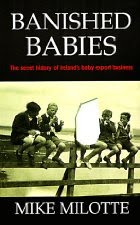
The book ‘Banished Babies’ by Mike Milotte, is about babies born in Ireland to unmarried mothers.   But we now know, banished babies were also born to illegitimate mothers in  New Zealand, Australia, America and England. More countries where this practise took place may yet come to light.  Australian Banished Babies want an apology. You might say “But this happened last Century”.  The thing is, the wounds left in these heartbreaking cases, never heal.

><

See Adoption: The Open Wound That Never Heals

><

‘Banished Babies’ were those babies taken from their unmarried mothers at birth.  I believe that the word ‘taken’ in this instance is a misnomer. It should read ‘ripped’, because that’s how it felt to the young mothers. I know this personally from my own mother’s case. This ‘baby snatching’ as others call it, was not for altruistic purposes; rather it was following Catholic dogma issued by the Vatican’s Office of the Congregation For the Doctrine of the Faith (formerly Office of the Holy Inquisition).   It was certainly not for the welfare of the infants, or their mothers.  No.  It was to remove these babies from their mothers who were seen by the Catholic Church as sinners who had to be punished. In the nuns’ minds, indoctrinated by the Church, the babies themselves were being saved from the clutches of satan and were ‘sold’, mostly to wealthy American couples, who, it was stipulated, had to be of the Catholic Faith.  It was strictly enforced by the Church, that neither mother or infant would ever be able to trace each other, and this caused even more heartbreak decades later.   (See my post about Philomena Lee). Large sums of money were exchanged for the privilege of ‘buying a newborn’, donation being the euphemism used. Ironic, isn’t it?  So much of that wealth the Church received, is now being paid out to even more victims of the Catholic Church; in the form of compensation  to  thousands of families whose children were sexually abused by paedophile priests.

><

For all the mothers and babies who never found each other

><

Between the end of WWII and 1965 more than 2,200 Irish infants were adopted out of the country, mostly by hopeful parents in the U.S. All the adoptive parents were, by mandate of the church in Ireland, Catholic. Until the late 1990’s and the work of Irish journalist Michael Milotte this was a fact known to few in Ireland and fewer in the U.S. In Ireland Milotte’s work, emphasising both the emotional and physical brutalisation of the birth mothers and the country’s loss of vital human capital, led to a great furor.

><

In 2001, the Washington Post reported:

Milotte, a senior reporter for the Irish television network RTE, says life was particularly hard for the mothers in these convents, which were largely self-sustaining thanks to the women’s labour but also received public funding. In some cases, he says, the priests and nuns received money from the adoptive parents, who paid “confinement and medical costs” associated with their child’s birth.

“Where did the money go?” he wonders. “It sustained the people who ran the institutions in a manner they wouldn’t have otherwise enjoyed.”  But money likely wasn’t the primary motivator, he says. Rather, there was a demand for children, and many of the nuns believed they were doing God’s work by sending some of Ireland‘s social outcasts to a better life in the land of opportunity.

“They thought they were doing good,” says Milotte in a phone interview from Dublin. “The fact that people might have rights didn’t enter into their thinking. They thought they knew best. If, in doing the best thing, there was an opportunity to make money, that was all the better.”  In those postwar days, it was not uncommon for Irish children to be adopted by U.S. military and government employees living abroad, Milotte says.

The birth mothers of these children spent their pregnancies and post-natal, pre-adoption lives in varioushomes, often convents, for girls and women who were seen by the conservative Catholic culture as shame-worthy moral degenerates. The horrific conditions that these women underwent was recently dramatized in the movie the Magdelene Sisters.

><


Milotte spoke with NPR’s Daniel Zwerdling upon release of his book Banished Babies in May of 1998:

Many of these women were seen as the next thing to prostitutes, and were very often told that when their identities became known. Even when girls got pregnant, very often they didn’t get married even if — because there was the stigma attached to having had sex before marriage. So even where a relationship endured, the child would be given up for adoption. And it was all done in secret.

I am one of those kids given up for adoption. It was in that interview in May of 1998, two days after I returned to Chicago following my mother’s funeral, that I learned of the controversy. I have always known that I was adopted, that I was a ‘true Irishman’, and I had always been proud and honored by the distinction. In the days immediately following my mom’s death I told my Dad that I had never for a second doubted who my ‘real’ parents were, that he and my mom were the only ones who can lay claim to me. I feel no different today.

None-the-less, as the NPR story continued I found myself getting information that I’m sure even they didn’t have.

ZWERDLING:  Here’s one of the most curious aspects of this story.It’s hard enough for most women to give up a baby for adoption during the first few hours or weeks of its life. But church officials forced the young mothers to stay in their convents and raise their own infants for at least one year or more before adoptive families could come and get them.Reporter Mike Milotte says he’s turned up cases where young women changed their minds after their babies were born and tried to leave the convents. (This also happened to my mother in New Zealand). But the nuns sent guards to capture the women and bring them back.For her part, Mary O’Connor says, she knew she’d have to give her baby away. She felt she literally had no choice. But by the time the nuns came to take her son, she’d been raising him for 17 months. Then one evening, O’Connor says, a nun told her, “Get him ready. We’re giving him away in the morning.”

O’CONNOR: So she just carried it over to the convent. There was two parts, like there was a hospital part where the children were kept and then there was the convent part. And the child was brought over to the convent part. And there was three steps up. You went in the side door and there were three steps up. And they went to the top of the steps and they said, “Just say goodbye now. That’s it.”

<

-Anne Frandi-Coory 25 July 2011

For more about my mother’s lost children & the heartlessness of the Catholic Church:

  ‘Whatever Happened to Ishtar? – A Passionate Quest to Find Answers for Generations of Defeated Mothers’.

download

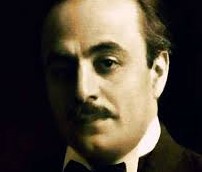
Khalil Gibran

Even Khalil Gibran, Lebanon’s most famous poet, understood his country’s multiple personalities.

****************************************

Khalil Gibran

                                                  One of my favourite books in my home library.

(Unfortunately ‘Khalil’ has been misspelt on the book cover)

**********************************************

The following is a short story and poem taken from:

Khalil Gibran, The Garden of the Prophet (written 1934)

***********************

Sketch by Khalil Gibran

And Almustafa came and found the Garden of his mother and his father, and he entered in and closed the gate that no man might come after him.

And for forty days and forty nights he dwelt alone in that house and that Garden, and none came, not unto the gate, for it was closed, and all the people knew that he would be alone.

And when the forty days and forty nights were ended, Almustafa opened the gate that they might come in.

And there came nine men to be with him in the Garden; three mariners from his  ship; three who had served in the Temple; and three who had been his comrades in play when they were but children together. And these were his disciples.

And on the morning his disciples sat around him, and there were distances and remembrances in his eyes. And that disciple who was called Hafiz, said unto him: “Master, tell us of the city of Orphalese, and of that land wherein you tarried those twelve years.”

And Almustafa was silent and looked away toward the hills and toward the vast ether, and there was a battle in his silence.

Then he said:

My friends and my road-fellows

Pity the nation that is full of beliefs and empty of religion,

Pity the nation that wears a cloth it does not weave, eats a bread it does not harvest,

And drinks a wine that flows not from its own wine press.

Pity the nation that acclaims the bully as hero, and that deems the glittering conqueror bountiful.

Pity the nation that despises a passion in its dream, yet submits in its awakening.

Pity the nation that raises not its voice save when it walks in a funeral, boasts not except among its ruins, and will rebel not save when its neck is laid between the sword and the block.

Pity the nation whose statesman is a fox, whose philosopher is a juggler, and whose art is the art of patching and mimicking.

Pity the nation that welcomes its new ruler with trumpetings and farewells him with hootings, only to welcome another with trumpetings again.

Pity the nation whose sages are dumb with years and whose strong men are yet in the cradle.

Pity the nation divided into fragments, each fragment deeming itself a nation.

***********************************

Sketches by Khalil Gibran, Lebanon’s most famous poet HERE

***************************************

Anne Frandi-Coory’s  Lebanese Family tree and photos HERE: 

Maria Grego cropped 2

EVA Exiles

*****************

EXILES

Exiled from home. The far sea rolls

between them and the country of their birth;

the childhood-turning impulse of their souls

pulls half across the earth. Exiled from home.

No mother to take care that they work too hard,

grieve not too sore;

no older brother nor small sister fair

no father any more.

Exiled from home; from all familiar things;

the low browed roof, the grass surrounded door;

accustomed labours that gave daylight wings;

loved steps on the worn floor.

Exiled from home. Young girls sent forth alone

when most their hearts need close companioning;

no love and hardly friendship may they own,

no voice of welcoming.

Blended with homesick tears the exile stands;

to toil for alien household gods she comes;

a servant and a stranger in our lands,

homeless within our homes.

><

– Charlotte Perkins Gilman. (1914)

********

Above left: Anne Frandi-Coory’s maternal Italian grandmother, Maria Cajetan Grego Frandi

Above right: Anne Frandi-Coory’s paternal Lebanese grandmother, Eva Arida Fahkrey (Coory) 15yrs old & married, in Bcharre, Lebanon, on her way to New Zealand. 

*********

See later post: Italian Villa With Virgin

See Immigration & The Promise

Updated 19 July 2017

The price you pay for a book bears no relation at all to the value of the stories and lessons held within!  I found The Arab Mind by Raphael Patai, [a prolific cultural anthropologist] marked down at a sale in a favourite NZ book shop.  I believe that, like cats, books find you, you don’t find them.  In all my travels I have never seen this book anywhere else.  And I found it while writing the final manuscript for ‘Whatever Happened To Ishtar?’

********

Fayez A. Sayegh comments in The Arab Mind: ‘…yet even more devastating… was the drying up of the creative and adventurous spirit within Arab society itself. The keen intellectual curiosity which characterised the preceding period, the passionate and untiring search for knowledge, and the joy of adventure were smothered under a hard crust of dogma and fundamentalism. Free thought was banished, traditionalism reigned in its place…’

><

One of the most enlightening books (for me) I have ever bought

><

I grew up without knowing my Italian mother as a person.  She suffered from severe bipolar disorder with psychotic episodes. So, at ten months old, I was placed in a Catholic  Orphanage for the poor, and was visited only by my devoted Lebanese father.  His extended family could not find any room in their hearts to love me.

My father often took me to visit his extended family, in the futile hope that  their frozen hearts might thaw, but the quiet, prayerful ways of a nun-studded convent does not prepare a young girl well for the noisy and multi-generational home of  Middle Eastern immigrants.  In their view I was “of another breed”.  I escaped Catholicism and “Little Lebanon” as a teenager and never returned.  However, you can take the girl out of her Lebanese extended family but you can’t take the Lebanese influence out of the girl, as the familiar cliché goes.  I picked up the Aramaic language they spoke and many positive aspects of their lives; great cooks, devotion to family (if you didn’t have a foreign mother that is) but those positives  were buried deep in my soul for many years, under all the negatives.

From The Arab Mind by Albert H. Hourani: To be a  Levantine is to live in two worlds or more at once, without belonging to either; to be able to go through the external forms which indicate the possession of a certain nationality, religion or culture, without actually possessing it. It is no longer to have a standard of values of one’s own, not to be able to create but only able to imitate; and not even to imitate correctly, since that also needs a certain originality. It is to belong to no community and to possess nothing of one’s own. It reveals itself in lostness, pretentiousness, cynicism and despair.

The Arab Mind was such a help in the final stages of writing   Whatever Happened To Ishtar? A Passionate Quest to Find Answers for Generations of Defeated Mothers.  Many of my Lebanese family’s ethnocentric behaviours suddenly took on new meaning; the hatred they exhibited toward my Italian mother and by association, to me, was the result of thousands of years of cultural prejudice.  Necessary in desert and mountain life in sectarian communities where brutal invasion and massacre were a common way of life.

To the Arab, saving face and honour are everything and when your beloved eldest son marries a sharmuta (Aramaic for prostitute-every woman who did not live up to the family’s cultural values was labelled sharmuta) then what can you do but exile from the family the issue of that union!  Being the only girl child made it easy for them to make me the scapegoat of all the family’s ills in a foreign country.

Historian Oswald Spengler: The Arab culture is a discovery . . . Its unity had been suspected by the late Arabs, but it escaped the Western historians so completely that one cannot find even a good designation for it. On the basis of the dominant language one could term the pre-culture and the early period Aramaic, the late period, Arabic . . . The Arab spirit however, mostly under a late-antique mask, cast its spell over the emerging culture of the West, and Arab civilization, which in the folk psyche of Southern Spain, Provence, and Sicily is superimposed that of antiquity…

In this current era of the ‘Arab Spring’, I recommend you find a copy and read The Arab Mind to gain an understanding of how differently we westerners from such very young countries, like Australia and New Zealand, view everyday life.  I think the half of my book that dealt with my father’s family was a much kinder book in the end because I read The Arab Mind before I sent my re-written manuscript off to the publishers.  So many of the events that played out in my childhood took on very different meanings, while suppressed memories re-surfaced.  I understood better, what it must have been like for my naive, fifteen year old Syrian/Lebanese grandmother, from the hills of Bcharre in Lebanon, to marry and follow my grandfather to the other side of the world. She was one tough, superstitious old woman when I met her.

How relevant to the lives of my Maronite Lebanese extended family, and by the same token, to the current Arab Spring,  are the following quotes in the book:

Nabih Amin  Faris and Mohammed Tawfik Husayn  write in The Arab Mind: ‘In some respects Arab absorption [particularly Arab Muslims] in their bygone days tends to be a chronic disease. It stems naturally from the general misery of the majority of the people and the wretched social and political conditions since the fall of the Abbasid empire and the Arab states in Spain and North Africa. They live in a splendid past as an escape from the miserable present…Until the closing years of the eighteenth century, the Arab world was in a state of near stagnation, ingrown, content with its prevailing conditions, resigned to its fate, and blissfully ignorant of the events unfolding around it. Then the West descended upon the Arab world as a conqueror, bringing its culture, civilisation, and science, its missionaries, its mercantile goods and commodities, and political, economic and military domination.’

I found chapter 15, The Question of Arab Stagnation particularly interesting. e.g. the Arab admiration for Israel; its excellence in scientific research, and its brilliant scholars and universities. Its global achievements in weaponry, commerce and banking, not to mention its organisational abilities in all walks of life. ‘The Jews, their rich people and their financial institutions…donate millions for their researches in Israel; but our rich people and our financial institutions,  our leaders, our rulers …do not contribute a single gursh [penny], but ask: Why donate to science?’  This chapter has several publications written by Arabs who are very critical of Arab stagnation since the early 14th century and why they believe Israel won the 1967 war. It may surprise readers to know that upwards of 200,000 Arabs a year regularly visit Israel because they love the place, and everything that it has to offer them, and which they cannot easily access in their own country.

Faris and Husayn further recognise that ‘the cultural famine which ravages Arab life is indeed not novel, nor is it the handiwork of colonial rule, feudal rapacity and local oppression alone…its roots go far back into the history of the Arab people.‘ …the low position in which Arab society keeps its women is an important contributing factor to this sorry state of affairs.  ‘No wonder,’ they exclaim, ‘that the Arab world remains backward, tradition-fettered, and limping behind the procession of human achievement, when women’s status is so low.’ [my emphasis]

It is not enough for Arabs to continue to blame the West for their stagnation…dam butlab dam feuds were so intense among the Arab tribes [blood demands blood or an eye for an eye] in pre-Islamic times, and were such a permanent feature of life…’that an important contributing factor to Muhammad’s success in rallying the people of the Arabian Peninsula around the banner of the new religion he preached was the fact that widespread feuding had weakened the Arab tribes and made it impossible for them to unite against him.’

From author Hisham Sharabi in The Arab Mind: …There is no turning away from Europe. This generation’s psychological duality, its bilingual, bicultural character are clear manifestations of this fact. It has to judge itself, to choose, and to act in terms of concepts and values rooted not in its own tradition but in a tradition that it has still not fully appropriated.

From Author Halim Barakėt in The Arab Mind:…We are a people who have lost their identity and their sense of  manhood. Each of us is suffering from a split personality, especially in Lebanon. We are Arab and yet our education is in some cases French [my grandfather, Jacob Coory’s second language was French], in some cases Anglo-Saxon and in others Eastern Mystic. A very strange mixture. We need to go back and search out our roots. We’re all schizophrenic…

The Arab Mind is a great read, very well written, and draws on accomplished writers and authors who know their topic well.   I urge anyone interested in Arab culture and history, to read this book.

I have lived a life in two halves, so I know what Barakėt means about being schizophrenic. Writing Ishtar? helped me to become one person and to discover the wonderful Italian and Lebanese genetic talents buried within me. The young Arabs of today have so many tools to use in their search for who they are; Facebook, Google, Twitter, blogging, mobile phones, formal education, etc etc.  Let’s hope their search for an identity won’t take as long as it did my generation.

 Follow Anne Frandi-Coory here on her blog:  frandi.blog

Also Here on Anne Frandi-Coory’s Facebook Page:

https://www.facebook.com/myhomelibrary/


Renoir: ‘On The Terrace’ 1879. In Memory of Missing Mothers

><

One of the saddest things for me that has come out of research for my book  Whatever Happened To Ishtar?  is the fact that some historical birth and marriage certificates only record the names of fathers and paternal grandparents.  It was indicative of an era when only males were considered important in the scheme of life.  Although I have built up an extensive family tree of both my Lebanese and Italian ancestors, there are many gaps where a mother’s name should be. And each gap represents not just a missing name but links to whole lineages.  As  examples: when, after many years of searching,  I located an ancient document of my maternal great grandmother’s birth,  her mother’s name was omitted;  a marriage certificate where both the mother of the bridegroom and of the bride were omitted.  In some other cases I was able to find the information in a baptism confirmation certificate or in immigration archives, but my family trees have several names missing.  My hope is that descendants of those families I have written about, will  read my book and help fill in some of the missing gaps for our descendants.


Michelangelo Merisi (born c. 1571) known as Caravaggio,  a sufferer of bipolar disorder, shocked  patrons with his intense and life-like paintings of men and women.

 ><                                                                                                                                                                                                                                                  Understanding Bipolar disorder [BD]–formerly called manic-depressive disorder–is a mood disorder that can cause extreme and uncontrolled swings from dangerous euphoria to incapacitating depression. Although the causes of BD are not clear, emotional, structural and chemical changes in the brain hint at underlying brain areas and mechanisms that contribute to the disorder.

Emotional

Emotions reflect our experience of alterations in the brain’s structure and function. BD causes swings in mood from states of mania to states of depression, resulting in a range of emotional changes. According to the National Institute of Mental Health, during manic phases, people can feel full of energy and outgoing, or they can feel jumpy and irritable. On the other extreme, during a depressive phase, people experience feelings of emptiness and hopelessness. In the grip of an extreme episode of mania or depression, patients might experience delusions or hallucinations.

Structural

Bipolar disorder might cause or result from changes in the physical structure of the brain. A study in the February 2004 issue of Bipolar Disorders, research using MRIs of the brains of teen-agers with bipolar disorder found that overall smaller volume of the cerebrum, the brain area responsible for processing sensory information, language and learning and memory among other functions. In addition, the study found that bipolar brains had smaller amygdalas and larger putamens compared to brains of healthy people. In the December 2009 issue of Bipolar Disorder, researchers reported that their review of the literature showed that the structural changes in the brain were present during the first episode of bipolar disorder, suggesting that they cause the disorder rather than result from it.

Chemical

When compared to healthy people, patients with bipolar disorder have different levels of chemical signals called neurotransmitters that allow nerves to communicate with each other. Some levels of hormones, chemical messages made in one tissue that act on another, also change in people with bipolar disorder. Brain levels of opioids as well as neurotransmitters serotonin and dopamine and the stress hormone cortisol have all been implicated in mood disorders, including bipolar disorder, according to a May 2008 Science Update by the National Institute of Mental Health. The medications for bipolar disorder such as anti-depressants, anti-convulsants, lithium, benzodiazepams and anti-psychotics attempt to correct the imbalances in neurotransmitters and hormones and smooth out mood. The same principle holds for the use of electroconvulsive therapy[ECT] for bipolar disorder. The passage of an electric current through the brain is thought to reset brain chemistry to a more healthy state.

><

(parts of the above article taken from LIVESTRONG)

><
Experts do believe that BD, or the predisposition to it,  runs in families, and there is a genetic component to this mood disorder. There is also growing evidence that environment and lifestyle issues have an effect on the disorder’s severity. Stressful life events — or alcohol or drug abuse — can make bipolar disorder more difficult to treat.   As in my mother’s life; her childhood, adolescence and early married life, set her on a course to develop BD II.   [see Letters To Anne Frandi-Coory]

A multitude of controlled studies of bipolar patients and their relatives have shown that BD is hereditary. Perhaps the most convincing data comes from twin studies. In the studies of identical twins with the same genes, scientists report that if one identical twin has bipolar disorder, the other twin has a greater chance of developing bipolar disorder than another sibling in the family. Using statistical data, researchers conclude that the lifetime chance of an identical twin (of a bipolar twin) to also develop BD is about 40% to 70%.

><

Paranoia can be a symptom of severe BD.

Many sufferers of BD have heightened levels of creativity, and find taking certain drugs to control the disease, flattens their emotions and blocks their creative talents.   Gifted artists and writers prefer to live with the disorder.

Correct diagnosis of BD  is essential – Sufferers are often mis-diagnosed in the early stages of the disorder, which often leads to more severe symptoms.

><